



Introduction

At goshipkart.com, we believe that technology shapes the way people interact, explore, and engage with online platforms. One of the most powerful forces leading this transformation is Artificial Intelligence (AI). From streamlining logistics to enhancing customer experience, AI is not just an addition to e-commerce—it’s the driving engine redefining the entire industry.

In the USA and across the globe, the role of AI in e-commerce has moved far beyond simple chatbots or product recommendations. It now powers data-driven insights, predictive personalization, fraud detection, customer service automation, and even supply chain optimization. This article dives into how AI is revolutionizing e-commerce, why it matters, and what the future holds for businesses and customers alike.

1. Personalized Shopping Experiences

Close-up of young couple holding shopping bags while standing in elevator in the mall

One of the most recognizable ways AI has transformed e-commerce is through personalization. Shoppers today expect an experience tailored specifically to their preferences, and AI makes this possible at scale.

  • Behavioral Tracking: AI analyzes browsing history, time spent on pages, abandoned carts, and clicks to identify interests.

  • Dynamic Recommendations: Based on this data, AI-powered algorithms suggest relevant products, increasing the likelihood of engagement.

  • Predictive Insights: AI doesn’t just react to what customers do; it predicts what they may want next.

For instance, if someone browses fitness gear, AI may recommend complementary products like workout apparel, nutrition guides, or fitness trackers. This level of personal attention mimics the feel of an in-store consultant, but on a massive digital scale.

2. Smarter Search and Voice Commerce

Orange megaphone with chat bubble isolate on background yellow. Promotion advertisement. 3D render illustration.

Traditional keyword searches often limit users, but AI-driven search functions have drastically improved discovery.

  • Visual Search: AI enables users to upload images and instantly find similar products. For example, uploading a photo of a jacket from social media can return lookalike styles available online.

  • Natural Language Processing (NLP): AI understands conversational queries like “Show me summer dresses under $50” or “I need a backpack for hiking.”

  • Voice Assistants: The rise of Alexa, Google Assistant, and Siri means more people are using voice commerce. AI makes it possible to process these requests and connect them seamlessly with online platforms.

This evolution simplifies shopping and empowers customers to engage with platforms in a natural, intuitive way.

3. Enhanced Customer Support

Business people wearing headset working in office to support remote customer or colleague. Call center, telemarketing, customer support agent provide service on telephone video conference call.

AI-driven chatbots and virtual assistants are now standard in e-commerce, providing instant answers to questions 24/7.

  • Automated Responses: Chatbots resolve common queries such as delivery status, return policies, and payment issues.

  • Sentiment Analysis: Advanced AI can detect customer frustration in text or voice and escalate the issue to a human representative.

  • Proactive Assistance: AI tools can offer help even before customers ask—such as suggesting sizing information when someone lingers on a clothing item.

For platforms like goshipkart.com, this not only improves satisfaction but also reduces the pressure on customer service teams.

4. AI in Inventory and Supply Chain Management

Behind every smooth online experience is a robust supply chain. AI revolutionizes this domain through forecasting, automation, and real-time tracking.

  • Demand Forecasting: AI predicts which products will be in demand by analyzing historical sales, seasonal trends, and external factors like weather or events.

  • Smart Warehousing: Robotics powered by AI streamline packaging, labeling, and sorting of goods.

  • Route Optimization: AI calculates the most efficient delivery routes, reducing costs and ensuring faster delivery.

In the USA, where logistics networks span thousands of miles, AI-driven supply chain optimization plays a critical role in keeping e-commerce agile and reliable.

5. Fraud Detection and Security

a group of security officers standing next to each other

E-commerce growth has unfortunately also led to rising fraud. AI acts as a guardian, keeping transactions safe.

  • Pattern Recognition: AI algorithms analyze millions of transactions in real-time to flag unusual activity.

  • Adaptive Security: Unlike static rules, AI constantly learns from new threats, evolving to detect more sophisticated fraud attempts.

  • Customer Trust: By minimizing risks, AI creates a safer environment for everyone.

With AI, platforms like goshipkart.com can protect both customers and merchants, ensuring trust remains at the core of online commerce.

6. Dynamic Pricing Strategies
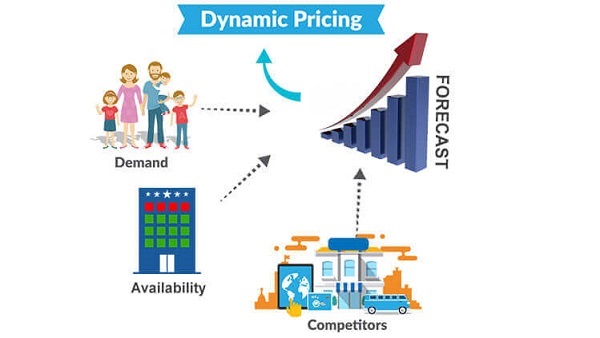
Dynamic Pricing: Benefits, Strategies and Examples

Traditional pricing models can’t keep up with today’s competitive e-commerce environment. AI introduces real-time dynamic pricing that considers multiple factors at once:

  • Competitor pricing

  • Demand fluctuations

  • Time-sensitive promotions

  • Customer behavior

For example, AI may adjust the price of a gadget during peak shopping seasons to remain competitive while still maximizing profitability. This allows businesses to remain flexible and customers to benefit from timely deals.

7. AI-Generated Content and Marketing

Future of AI in content marketing: Key trends and 7 predictions

AI is transforming how e-commerce platforms present products and engage with audiences.

  • Automated Product Descriptions: AI tools can generate compelling, SEO-optimized product descriptions in seconds.

  • Targeted Marketing: By analyzing customer data, AI ensures promotional campaigns reach the right audience at the right time.

  • Personalized Emails: AI curates newsletters tailored to each subscriber’s interests, increasing engagement.

The marketing journey has become more efficient and relevant, eliminating generic messaging in favor of smart, personalized communication.

8. Augmented Reality (AR) and Virtual Try-On

Virtual try-on room in augmented reality

While not solely AI, AI-enhanced AR plays a key role in bridging the gap between online and offline experiences.

  • Virtual Fitting Rooms: AI allows users to try clothing, eyewear, or cosmetics virtually.

  • Room Visualization: For furniture and décor, AI-powered AR apps help customers see how items will look in their space before committing.

  • Enhanced Realism: AI improves accuracy by accounting for lighting, textures, and proportions.

This innovation reduces return rates and builds confidence in decision-making.

9. Sustainability and AI

Sustainable AI: Balancing Tech and Ethics

Modern shoppers value eco-conscious practices. AI supports sustainability in e-commerce by:

  • Reducing Waste: Smarter demand forecasting prevents overproduction.

  • Optimizing Delivery: AI minimizes carbon emissions through efficient logistics.

  • Eco-Labeling: AI systems can verify and display sustainability credentials on product pages.

Platforms like goshipkart.com can align with the growing movement toward responsible commerce, appealing to ethically minded consumers.

10. The Future: Where AI Is Heading in E-Commerce

Exploring AI in eCommerce: An All-in-One Guide for Online Sellers

While AI has already made significant strides, its potential is still unfolding. Here are some emerging trends:

  • Hyper-Personalization: Tailoring every touchpoint, from homepage layouts to delivery preferences.

  • AI-Powered Live Shopping: Interactive video streams where hosts demonstrate products, enhanced by real-time AI translations and recommendations.

  • Emotion AI: Understanding customer emotions during interactions for deeper engagement.

  • Autonomous Deliveries: Drones and self-driving vehicles managed by AI will soon make doorstep delivery faster than ever.

  • AI-Driven Marketplaces: Future platforms may function as intelligent ecosystems, where AI matches customers with products, sellers, and services seamlessly.

The line between online and offline experiences will continue to blur, creating a holistic shopping ecosystem powered by AI.

Conclusion

At goshipkart.com, we view AI not as a futuristic concept but as a present-day revolution already shaping how people explore, engage, and connect with online platforms. From personalized recommendations and virtual assistants to fraud prevention and supply chain optimization, AI is embedded in nearly every stage of the e-commerce journey.

For customers, this means a smarter, safer, and more intuitive experience. For businesses, it translates into efficiency, agility, and innovation. As AI continues to evolve, it promises to make e-commerce in the USA—and globally—more dynamic, inclusive, and sustainable.

The revolution has already begun, and AI is leading the way

Introduction

The digital landscape in the United States has always been a space of innovation, adaptability, and rapid change. Over the past two decades, the world of e-commerce has transformed from a convenient alternative to brick-and-mortar shopping into an essential part of everyday life. With technology evolving at breakneck speed and consumer expectations shifting continuously, the future of online shopping in the USA looks both exciting and dynamic. At goshipkart.com, we believe it’s important to explore how these transformations are shaping not just retail, but also the way people connect with brands, products, and experiences.

This article dives deep into the future of online shopping in the USA, highlighting trends, innovations, challenges, and opportunities that will define the years ahead.

The Digital Shift That Redefined Retail

Before we explore what lies ahead, it’s worth noting how far online shopping has come in the USA. The early days of e-commerce were characterized by skepticism—questions of security, convenience, and trust kept many people away. Fast-forward to today, and online shopping is not only mainstream but also dominant in several sectors.

From essentials and groceries to luxury goods, consumers now rely heavily on e-commerce platforms. The shift accelerated further during the pandemic, when households embraced digital shopping channels for everything from food delivery to electronics. This wasn’t just a temporary adjustment; it was the start of a long-term transformation.

The future of online shopping is built upon this foundation, but the road ahead involves much more than convenience. It’s about personalization, sustainability, speed, and technological integration that makes shopping experiences seamless and almost futuristic.

Key Trends Shaping the Future of Online Shopping

1. Personalization at Scale

a large group of black and yellow objects

American consumers are increasingly seeking unique, curated experiences rather than generic browsing. With advancements in artificial intelligence and machine learning, online platforms can now tailor product suggestions, content, and offers to individual preferences.

The future of personalization goes beyond recommending “similar items.” Imagine shopping on goshipkart.com and seeing an interface designed specifically for your style, past choices, and even your current mood. Hyper-personalization will be at the core of online shopping, turning every interaction into a highly relevant and enjoyable experience.

2. The Rise of Augmented Reality (AR) and Virtual Reality (VR)

Virtual Reality offers Technology latest In

One of the biggest limitations of online shopping has been the inability to “try before you commit.” AR and VR technologies are addressing this gap. Shoppers can now visualize how furniture looks in their living room, how a pair of shoes fits their style, or how a shade of lipstick complements their skin tone—all virtually.

In the coming years, AR/VR will evolve from being a “bonus feature” to a standard expectation. At goshipkart.com, we foresee a future where users can enter a fully immersive shopping environment from the comfort of their home, walking through virtual aisles and experiencing products as if they were physically present.

3. Voice Commerce and Smart Assistants

a woman sitting in front of a laptop computer wearing headphones

With the rise of smart speakers and voice-activated devices, the way people shop is changing once again. Voice commerce is becoming a hands-free, seamless experience, particularly for reordering essentials or exploring new deals.

As voice recognition technology improves, it will become an integral part of e-commerce in the USA. Consumers will expect smooth, conversational interactions where they can ask questions, get recommendations, and confirm orders without lifting a finger.

4. Sustainability as a Driving Force

cars driving on a highway

American consumers are increasingly conscious about the environmental impact of their choices. Packaging waste, carbon emissions from shipping, and ethical sourcing are no longer ignored. The future of online shopping will heavily emphasize sustainability.

From eco-friendly packaging to carbon-neutral delivery options, platforms like goshipkart.com will need to adopt green practices. Brands that showcase transparency in their sourcing and logistics will resonate with the new generation of socially responsible consumers.

5. Same-Day and Instant Deliveries

two coca cola bottles sitting on top of a wooden table

Speed has always been a critical factor in online shopping, but the bar is getting higher. Same-day and even instant deliveries are expected to become mainstream in the USA, thanks to advanced logistics, local fulfillment centers, and smart delivery solutions.

Drone deliveries and autonomous vehicles are not just science fiction anymore; they are gradually being tested and integrated into e-commerce ecosystems. In the near future, shoppers may receive products within hours of placing an order—further blurring the line between online and offline retail.

6. Social Commerce Integration

A shopping cart with a lot of different items on it

Social media has transformed from a place of connection to a hub of inspiration and discovery. Platforms like Instagram, TikTok, and Facebook are becoming gateways for e-commerce. Influencer marketing, live shopping events, and shoppable posts are already redefining the shopping journey.

For American consumers, this means the path from discovering a product to engaging with it and finally having it delivered is shorter and more integrated than ever. The future of online shopping will see platforms like goshipkart.com collaborating closely with social channels to deliver more engaging experiences.

7. Artificial Intelligence-Powered Customer Support

man in blue crew neck t-shirt standing near people

Customer service is another area being reshaped by technology. Chatbots powered by AI are now capable of understanding complex queries, offering real-time solutions, and even predicting customer needs.

The future promises a blend of human empathy and AI efficiency, ensuring customers receive support that is both fast and meaningful. Imagine an AI assistant that not only resolves issues but also guides you toward making better shopping decisions based on your habits and values.

8. The Growth of Subscription Models

a pink, blue, and green object on a green surface

Subscription-based services have gained momentum in the USA. Whether it’s fashion, beauty, groceries, or lifestyle products, subscriptions offer convenience, savings, and surprise elements.

The future will likely see a more tailored subscription economy, where customers can design their own recurring experiences. Online platforms will refine these models to deliver exactly what individuals want, when they want it.

9. Data Security and Consumer Trust

a blue pad with a fingerprint on it next to a padlock

As online shopping grows, so does the need for robust data security. Consumers in the USA are increasingly aware of the risks of data breaches and misuse of personal information.

Future online shopping platforms will need to prioritize security through advanced encryption, transparent policies, and customer empowerment. Building trust will be just as important as delivering products quickly or affordably.

10. The Role of Artificial Intelligence in Trend Forecasting

Glowing ai chip on a circuit board.

Predicting what customers will want tomorrow has always been a challenge. With AI-driven analytics, platforms can now analyze consumer behavior, social media chatter, and global events to forecast trends with greater accuracy.

This will help e-commerce businesses like goshipkart.com anticipate demand, stock smarter, and deliver experiences that feel intuitive and ahead of the curve.

Challenges That Lie Ahead

While the future looks promising, it is not without challenges:

  • Logistics Complexity: Meeting the growing demand for instant deliveries requires vast infrastructure and innovation in last-mile delivery.

  • Sustainability vs. Speed: Balancing eco-friendly practices with ultra-fast deliveries is tricky and will require creative solutions.

  • Data Privacy: As personalization grows, so does the concern about misuse of data. Maintaining transparency will be crucial.

  • Market Saturation: With more players entering the e-commerce space, standing out will require unique value propositions.

At goshipkart.com, we see these challenges not as barriers but as opportunities to innovate and serve our community better.

What This Means for American Consumers

For everyday people in the USA, the future of online shopping translates into:

  • Seamless Experiences: From discovery to delivery, the journey will be smoother, faster, and more enjoyable.

  • Greater Choice: With global and local options available, consumers will have access to products tailored to their lifestyle and values.

  • Empowerment: Through transparent information, AR tools, and AI assistants, consumers will make more confident decisions.

  • Community Connection: Social commerce will make online shopping feel more interactive and personal.

Goshipkart.com’s Vision for the Future

As a USA-based e-commerce platform, goshipkart.com is deeply committed to embracing this exciting future. We envision ourselves not just as a marketplace, but as a partner in every customer’s journey. By adopting new technologies, championing sustainability, and delivering hyper-personalized experiences, we aim to set new standards for how online shopping should feel in the United States.

The future of online shopping isn’t only about faster deliveries or smarter algorithms—it’s about creating experiences that are meaningful, responsible, and human-centric. That is the vision we hold at goshipkart.com, and that is the future we are excited to build alongside our community.

Conclusion

The future of online shopping in the USA is a thrilling intersection of technology, consumer expectations, and social responsibility. From AI-powered personalization to sustainable practices, from AR/VR experiences to instant deliveries, the landscape is set to become more innovative and inclusive than ever before.

For consumers, this means a shopping experience that feels more intuitive, more engaging, and more aligned with personal values. For platforms like goshipkart.com, it represents an opportunity to lead the way in shaping how Americans connect with products, services, and brands in the digital age.
One thing is certain: online shopping is no longer just a convenient option—it is the future of retail. And that future is unfolding right now

In the world of e-commerce, timing is everything. Some products rise seemingly overnight, becoming household names and cultural staples. Others fade before they ever reach the spotlight. The difference between spotting a product early and waiting until it’s mainstream can mean more than being “in the know”—it can shape how you experience innovation, culture, and even lifestyle.

At GoShipKart.com, we’ve observed that awareness is the key factor. When you know how to identify emerging trends before they hit the masses, you’re not just following the wave—you’re ahead of it. This article will walk you through how to spot trending products before they go mainstream, providing actionable tips to help you sharpen your awareness and stay one step ahead.

1. Why Spotting Trends Early Matters

Spotting Trends Early: How to Identify the Next Big Investment Opportunity

Before diving into strategies, it’s important to understand why recognizing trends early has value.

  • Access to Innovation: Early adopters often enjoy cutting-edge features or unique designs before they become widespread.

  • Cultural Influence: Being among the first to recognize what’s “next” can shape conversations, communities, and even industries.

  • Sustainability Awareness: Many emerging products are designed to solve modern problems—like eco-friendly packaging or reusable alternatives. Early awareness helps spread adoption of conscious practices.

  • Personal Advantage: Whether in fashion, technology, or lifestyle, staying ahead means aligning your choices with your evolving needs before trends peak.

Spotting trends isn’t about chasing fads—it’s about building awareness of what aligns with both your lifestyle and larger cultural shifts.

2. The Lifecycle of a Trend

The lifecycle of a trend

Understanding how a product moves from obscurity to mainstream helps you identify where to look.

  1. Innovation Stage: Products are introduced, often in niche communities or by small startups.

  2. Early Adoption Stage: Tech enthusiasts, fashion leaders, or influencers begin showcasing the product.

  3. Growth Stage: Media coverage and word-of-mouth spread the trend to broader audiences.

  4. Mainstream Stage: Major retailers, celebrities, and everyday consumers adopt it widely.

  5. Saturation Stage: Eventually, the trend loses novelty, sometimes giving way to the next innovation.

To stay ahead, you want to pay attention during the innovation and early adoption stages—the time before mass exposure.

3. Pay Attention to Social Media Platforms

Social Media, Attention is fas - balvinder kumar

Social platforms are often the birthplace of trends. Here’s how to use them for spotting emerging products:

  • TikTok: Viral “#TikTokMadeMeDoIt” products often explode from short videos. Scrolling through niche hashtags helps you see what’s gaining momentum.

  • Instagram: Influencers frequently showcase unique fashion, gadgets, or lifestyle products before they’re widely available.

  • Pinterest: A hub for design, décor, and DIY ideas—many product trends begin here.

  • Reddit: Subreddits like r/BuyItForLife or r/TrendWatch showcase niche discoveries.

Tip: Don’t just look at likes—watch the engagement and conversation around new products.

4. Follow Early Adopters and Niche Communities

a phone with hearts floating out of it

Every industry has its trailblazers—people or communities who spot and adopt trends early.

  • Tech Enthusiasts: Bloggers, YouTubers, and reviewers often showcase gadgets before the general public catches on.

  • Fashion Influencers: Designers and style influencers frequently spotlight emerging brands.

  • Eco-Conscious Groups: Sustainability communities often share innovative solutions before they gain traction.

  • Specialty Forums: Hobby-specific forums (fitness, gaming, cooking) are goldmines for early trend discovery.

By following these sources, you gain exposure to innovations months (sometimes years) before they go mainstream.

5. Keep an Eye on Crowdfunding Platforms

Crowdfunding platforms like Kickstarter and Indiegogo are breeding grounds for innovation. Many groundbreaking products—smart gadgets, sustainable accessories, or fitness gear—start here.

Why? Because entrepreneurs test demand in smaller communities before scaling. Supporting or simply monitoring these platforms helps you spot what’s about to take off.

Look for campaigns with:

  • High funding within days of launch.

  • Backer enthusiasm in comments.

  • Practical solutions to modern challenges.

6. Watch for Cultural Shifts

Trends don’t exist in isolation; they emerge as responses to societal needs.

  • Health & Wellness: Rising demand for plant-based food, wearable health tech, or ergonomic designs.

  • Sustainability: Growth in reusable products, recycled materials, and eco-friendly packaging.

  • Remote Work: Increase in home-office equipment, productivity tools, and comfort-focused products.

  • Pop Culture Influence: A movie, celebrity, or music video can spark massive product demand overnight.

By staying aware of broader cultural and lifestyle changes, you’ll predict the types of products that will trend next.

7. Read Industry Reports and Newsletters

printing machine

Market research reports and curated newsletters offer valuable insights. Many publications highlight upcoming consumer trends across industries.

  • Trend Forecasting Firms: Organizations like WGSN or Nielsen identify early patterns.

  • E-commerce Reports: Data-driven insights into what categories are rising.

  • Niche Newsletters: Curators often highlight “what’s hot” before it goes mainstream.

Subscribing to these resources provides a steady stream of awareness, helping you anticipate shifts.

8. Pay Attention to Retail Test Launches

Why you should test before product launch

Large retailers and brands often test products regionally or online before rolling them out nationwide. Spotting these early can give you a sneak peek into what may soon dominate shelves.

Tip: Watch “limited edition” releases—they often indicate testing for future trends.

9. Recognize the Signs of Momentum

Not every product introduced early will trend. Awareness of momentum helps separate fleeting fads from true trends. Signs include:

  • Rising Search Interest: Tools like Google Trends show increasing curiosity.

  • Social Media Growth: Rapidly growing hashtags or accounts dedicated to the product.

  • Influencer Adoption: Multiple influencers across different niches showcasing the same item.

  • Cross-Industry Appeal: A product that resonates in multiple categories (e.g., fashion and tech) often has staying power.

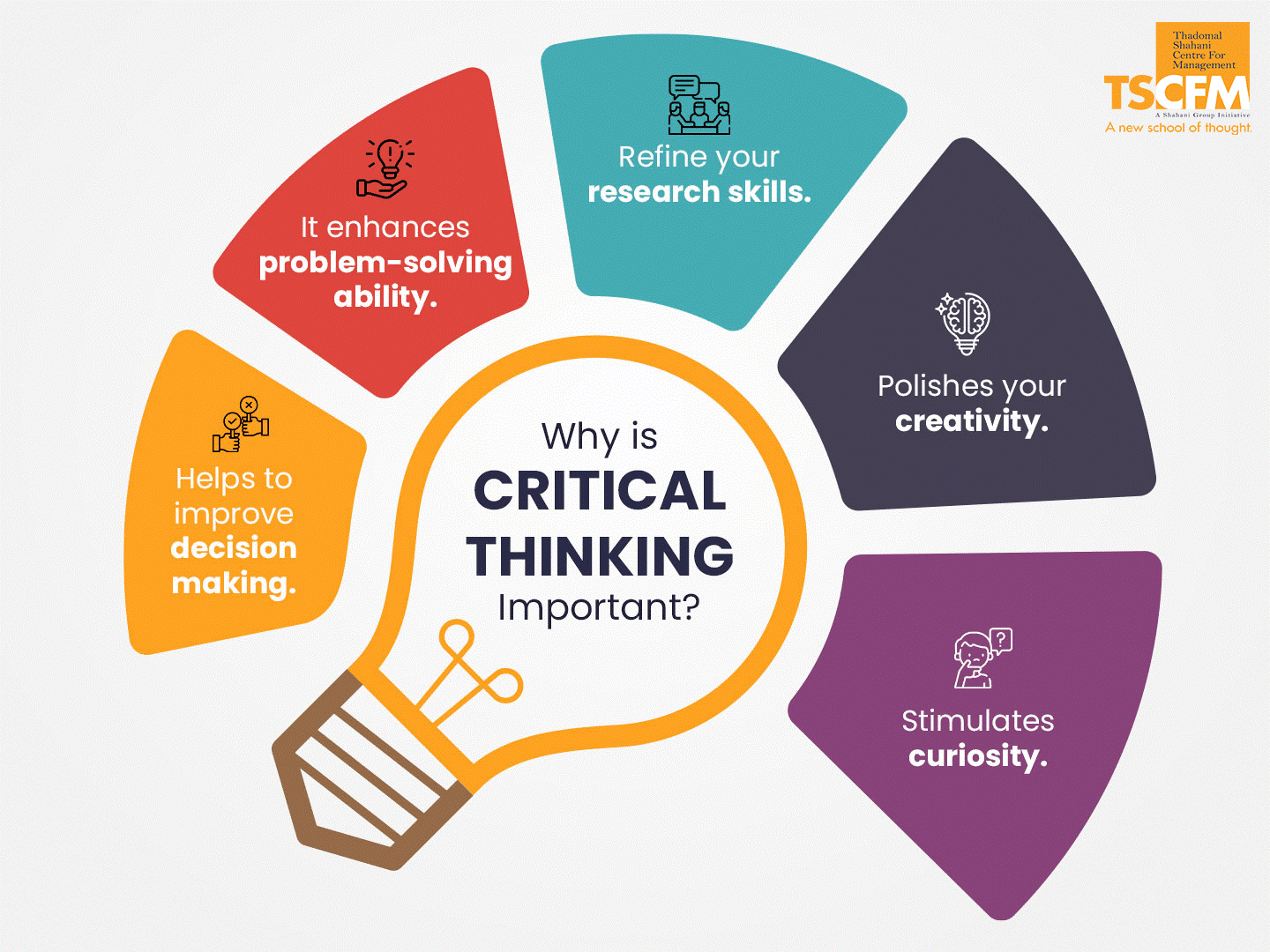
10. Balance Curiosity with Critical Thinking

Staying ahead of trends requires both openness and discernment. Not everything new is worth adopting.

Ask yourself:

  • Does this product solve a real problem?

  • Is it aligned with long-term lifestyle shifts?

  • Is it practical, sustainable, or just a passing gimmick?

Awareness isn’t about chasing every new product; it’s about mindfully choosing what aligns with your values.

11. Case Studies: Examples of Early Trends

a) Reusable Water Bottles

Before stainless steel bottles became mainstream, early adopters noticed growing concern over single-use plastics. Today, they’re standard in schools, gyms, and offices.

b) Smart Home Devices

Voice assistants started as niche tech gadgets. Early awareness of their convenience helped consumers adapt quickly as the technology spread.

c) Plant-Based Foods

What started as a vegan niche exploded into mainstream supermarkets, driven by cultural awareness of health and environmental impact.

These examples show how awareness and cultural alignment predict what becomes a long-lasting trend.

12. The Role of Mindful Selection

Whether you lean toward adopting every new innovation or carefully curating what enters your lifestyle, the key lies in mindful selection.

  • Minimalists may prefer to adopt only trends that add lasting value.

  • Maximalists may embrace abundance, exploring multiple trends for creativity and joy.

  • Eco-Conscious Consumers may adopt only those aligned with sustainability and ethics.

Awareness ensures that spotting trends isn’t just about being “first”—it’s about aligning new products with personal purpose.

13. The Future of Trendspotting

The process of identifying trends will continue evolving in the USA:

  • AI and Data Tools: Platforms will predict consumer preferences with greater accuracy.

  • Community-Led Trends: Social media micro-communities will spark more grassroots movements.

  • Faster Life Cycles: With digital culture accelerating, trends may rise and fade faster than ever.

  • Personalized Recommendations: Algorithms will help individuals discover products tailored to their unique lifestyles.

The role of awareness will only grow as consumers learn to navigate the noise of countless products.

Conclusion

Spotting trending products before they go mainstream isn’t just about staying fashionable or being tech-savvy. It’s about cultivating awareness, curiosity, and discernment. By observing cultural shifts, following early adopters, monitoring crowdfunding platforms, and practicing mindful selection, you can stay ahead of the curve in a way that enriches your lifestyle.

At GoShipKart.com, we believe that awareness empowers individuals to make better, more intentional choices—whether that means adopting a trend early or waiting until it fits your values. The next time you come across a product that feels new, ask yourself: Is this just a passing fad, or could it be the beginning of something bigger?

When you learn to spot the difference, you’re not just following trends—you’re shaping them

Introduction

In the fast-paced digital era, Americans are increasingly reflecting on what it means to live meaningfully. For some, that means owning less, focusing on essentials, and embracing the philosophy of minimalism. For others, joy comes from abundance—surrounding themselves with vibrant colors, bold patterns, and expressive collections in a maximalist lifestyle.

At GoShipKart.com, we believe the choice between minimalism and maximalism is deeply personal. Neither approach is right or wrong; both philosophies offer unique benefits, challenges, and opportunities for self-expression. This article is designed to create awareness about mindful selection—helping you explore which lifestyle approach better aligns with your values, needs, and goals.

1. What Is Minimalism?

a piece of paper with a flower sticking out of it

Minimalism is more than just a design trend; it’s a way of life. At its core, it means living intentionally by focusing on essentials and eliminating distractions.

Characteristics of Minimalism:

  • Simplicity in Design: Clean lines, neutral colors, and uncluttered spaces.

  • Quality Over Quantity: Prioritizing fewer possessions but investing in durable, high-quality items.

  • Mindful Consumption: Asking, “Do I really need this?” before adding something new.

  • Calm Environments: Spaces that reduce stress and promote focus.

Minimalism resonates with those who crave order, serenity, and freedom from unnecessary possessions.

2. What Is Maximalism?

grayscale photo of people walking on hallway

Maximalism, on the other hand, is the celebration of abundance and expression. It’s about surrounding yourself with things that inspire joy, tell your story, and spark creativity.

Characteristics of Maximalism:

  • Bold Aesthetics: Rich colors, eclectic décor, and layered textures.

  • Personal Expression: Spaces filled with meaningful items, collections, or art pieces.

  • Embracing Variety: Rather than focusing on less, maximalists enjoy “more is more.”

  • Dynamic Energy: Environments that feel lively, energetic, and uniquely personal.

Maximalism appeals to those who view possessions not as clutter but as a tapestry of experiences and self-expression.

3. Minimalism vs. Maximalism: A Cultural Perspective in America

In the USA, both minimalism and maximalism have taken root in different ways.

  • Minimalism: Popularized through movements like decluttering, “tiny homes,” and the rise of eco-conscious living. Many Americans choose minimalism as a way to reduce stress, save money, and align with sustainability.

  • Maximalism: Influenced by art, fashion, and design trends, maximalism thrives in spaces where creativity and personality are prioritized. From bohemian homes to bold fashion choices, maximalism reflects the diversity of American culture.

The coexistence of these philosophies reflects the freedom of choice in American lifestyles.

4. The Psychology Behind Each Lifestyle

Why Minimalism Appeals

  • Reduced Decision Fatigue: Fewer items mean fewer choices, which lowers stress.

  • Focus on Experiences: Instead of accumulating goods, minimalists often value travel, learning, and relationships.

  • Sense of Control: Decluttering gives a feeling of control over one’s environment.

Why Maximalism Appeals

  • Joy in Possessions: Surroundings filled with memories, souvenirs, or art can spark happiness.

  • Creativity Boost: Bold environments can stimulate imagination and energy.

  • Identity Expression: Collections, colors, and variety allow maximalists to showcase individuality.

Understanding your psychological drivers helps in making a mindful choice between these two lifestyles.

5. Minimalism in Practice: Everyday Choices

5 Minimalist Lifestyle Benefits: There Can Be More with Less - Kentucky Counseling Center

Adopting minimalism doesn’t necessarily mean living in an empty, white room. It’s about choosing intentionally.

  • Wardrobe: A capsule collection with versatile, timeless pieces.

  • Home Décor: Functional furniture, neutral tones, and uncluttered designs.

  • Technology: Owning only the devices you truly use.

  • Mindset: Saying no to impulse decisions and yes to thoughtful selection.

For minimalists, awareness is about asking: Does this add value to my life?

6. Maximalism in Practice: Everyday Choices

Living maximally doesn’t mean hoarding—it means curating abundance thoughtfully.

  • Wardrobe: Bold fashion pieces, layered accessories, and unique styles.

  • Home Décor: Mixing patterns, displaying collections, and celebrating color.

  • Technology & Lifestyle: Embracing variety—multiple gadgets, books, or hobbies.

  • Mindset: Believing that joy comes from surrounding yourself with what you love.

For maximalists, awareness is about asking: Does this bring me joy or spark creativity?

7. Sustainability and Awareness in Both Approaches

Both minimalism and maximalism can align with eco-conscious living if practiced mindfully.

  • Minimalism & Sustainability: By reducing consumption, minimalists naturally lessen their environmental footprint.

  • Maximalism & Sustainability: Maximalists who choose second-hand items, repurpose old products, or support ethical brands can also live sustainably.

The key is not the number of possessions but the intent behind them.

8. Financial Awareness: Minimalism vs. Maximalism

Minimalism, Maximalism & the Art in between: A study in the Origin of Minimalism - Meiraas

Minimalism and Money

  • Encourages saving by limiting spending on non-essentials.

  • Focuses investments on high-quality, long-lasting goods.

  • Reduces clutter-related expenses like storage or replacements.

Maximalism and Money

  • May lead to higher expenses due to frequent variety-seeking.

  • However, when practiced with awareness, it can focus on meaningful acquisitions instead of impulse buying.

  • Can create long-term value if items are collected or appreciated as art.

Awareness of your financial priorities plays a big role in choosing between the two.

9. Finding Balance: The Rise of “Mindful Consumerism”

Mindful Consumption: A Customer-Centric Approach to Sustainability - Jagdish Sheth

Not everyone fits neatly into minimalism or maximalism. Many Americans are discovering a balanced path:

  • A minimalist approach to certain areas (like digital devices or clothing basics).

  • A maximalist approach to passions (like art, books, or hobbies).

This middle ground is often called mindful consumerism—focusing on why we bring something into our lives, not just whether we live with less or more.

10. How to Decide What Fits Your Lifestyle

four plastic containers filled with different types of food

If you’re wondering which philosophy aligns with you, ask yourself:

  1. What do I value more—calm and order, or energy and expression?

  2. Do I feel stressed or inspired when surrounded by many items?

  3. Am I trying to save resources, or do I want to celebrate abundance?

  4. Which approach brings me closer to my long-term goals—financially, emotionally, and environmentally?

There’s no universal answer—just the one that aligns with your authentic self.

11. Practical Steps to Practice Mindful Selection

Whether you lean toward minimalism or maximalism, mindful selection is the bridge:

  • Pause Before Adding: Reflect on the “why” behind a new possession.

  • Choose Quality: Opt for durable, meaningful, or sustainable items.

  • Create Systems: Minimalists may use decluttering rules, while maximalists can use organization systems to manage abundance.

  • Check Alignment: Ask if your lifestyle choices reflect your values and goals.

Mindfulness ensures that whether you live with less or more, your lifestyle feels intentional.

12. The Future of Minimalism and Maximalism in America

Looking ahead, both philosophies are expected to thrive side by side:

  • Minimalism: Likely to grow as eco-consciousness and digital simplicity trends expand.

  • Maximalism: Expected to remain strong in art, design, and personal expression, fueled by social media culture.

  • Hybrid Models: Many Americans will blend the two, practicing minimalism in some areas and maximalism in others.

Ultimately, the future belongs to mindful consumers who choose not just what they like, but what aligns with their values.

Conclusion

Minimalism and maximalism may seem like opposites, but at their heart, both encourage us to live with intention. Minimalism asks us to focus on essentials and embrace simplicity. Maximalism invites us to celebrate abundance, creativity, and individuality. Neither philosophy is inherently better—it all depends on what feels right for your lifestyle.

At GoShipKart.com, we encourage our community to practice mindful selection—choosing items, habits, and lifestyles that align with personal values while also being aware of the broader impact on society and the environment. Whether you thrive in calm minimal spaces or vibrant maximal ones, the key is to live authentically and consciously

Introduction

The way people shop in the United States has been undergoing a quiet revolution. Beyond trends, deals, and convenience, another factor is rising to the forefront: sustainability. A growing number of Americans are no longer satisfied with products that simply serve their purpose. Instead, they seek goods that align with their values—especially when it comes to protecting the environment.

At GoShipKart.com, a USA-based e-commerce platform, we’ve witnessed firsthand how consumer priorities are shifting. The rise of eco-conscious shoppers is more than just a fad; it’s a movement that is reshaping industries, guiding product development, and influencing how businesses operate.

This article explores how awareness about sustainability is influencing choices, why it matters, and what the future might look like in an eco-conscious America.

1. Understanding the Eco-Conscious Consumer

The Rise of the Conscious Consumer - Article by Ethical Design Co

Who exactly is an eco-conscious consumer? At the core, they are individuals who factor in the environmental impact of their choices before making decisions. They want products that are not only useful but also produced, packaged, and delivered in ways that minimize harm to the planet.

Key Characteristics of Eco-Conscious Consumers

  • Awareness Driven: They actively seek information about sourcing, production methods, and corporate values.

  • Quality Over Quantity: Instead of opting for fast, disposable goods, they prefer durable products that last longer.

  • Support for Ethical Brands: They are drawn to companies that show responsibility in waste management, fair labor practices, and eco-friendly supply chains.

  • Lifestyle Integration: Sustainability is not just about products; it’s about an overall lifestyle—reducing plastic use, conserving energy, and supporting circular economies.

2. Why Awareness Has Grown in the USA

Several factors have fueled the rise of eco-conscious consumers across America:

a) Climate Change Conversations

The media spotlight on rising global temperatures, extreme weather events, and environmental degradation has made sustainability a national conversation. People now see direct connections between daily actions and the health of the planet.

b) Influence of Younger Generations

Millennials and Gen Z are particularly influential. Surveys show these groups prioritize eco-friendly options more than previous generations. They are vocal about their preferences and use social media to amplify the message.

c) Accessibility of Information

Technology has empowered shoppers with knowledge. With just a few clicks, they can verify whether a product is certified organic, made from recycled materials, or sourced ethically. Transparency has become a demand, not an option.

d) Corporate Responsibility

Large corporations and startups alike are increasingly promoting their sustainability efforts. This visibility raises awareness, showing consumers that eco-friendly choices are possible across industries.

3. Product Categories Most Affected by Eco-Conscious Choices

Awareness doesn’t shape all markets equally. Certain product categories have seen stronger shifts toward sustainability.

1. Fashion and Apparel

The fashion industry, long criticized for fast fashion and waste, has been undergoing a change. Eco-conscious shoppers now seek:

  • Clothing made from organic cotton, bamboo, or recycled fibers.

  • Brands that practice ethical labor policies.

  • Durable, timeless designs instead of disposable trends.

2. Food and Beverages

From organic produce to plant-based alternatives, consumer awareness is reshaping the grocery basket. Labels like “non-GMO,” “locally sourced,” and “sustainably harvested” are guiding decisions.

3. Electronics

Shoppers increasingly favor brands offering recycling programs, energy-efficient devices, and longer product life cycles. Awareness about e-waste has become a significant concern.

4. Home and Lifestyle

Eco-conscious consumers choose cleaning products with biodegradable ingredients, furniture made from reclaimed wood, and reusable home essentials over single-use alternatives.

5. Packaging Preferences

Minimal packaging, recyclable materials, and biodegradable fillers have become a deciding factor in many product choices.

4. The Role of E-Commerce in Shaping Awareness

E-commerce platforms like GoShipKart.com play a critical role in this shift. By providing visibility into product details, certifications, and sourcing stories, online platforms educate consumers directly.

  • Transparency: Product descriptions highlighting eco-certifications help shoppers make informed decisions.

  • Filtering Options: Many e-commerce sites now allow users to sort by “eco-friendly” or “sustainable.”

  • Awareness Campaigns: Platforms often run sustainability awareness blogs, newsletters, and product highlights to guide shoppers.

In this way, e-commerce is not just meeting demand—it is nurturing awareness.

5. Challenges Consumers Face in Making Eco-Friendly Choices

Sustainable Packaging: Meeting Growing Demand for Eco-Friendly Solutions

Despite the growth of eco-consciousness, the path isn’t without hurdles.

Greenwashing

Some brands falsely market products as sustainable without real impact. This “greenwashing” can confuse and mislead consumers.

Higher Costs

Eco-friendly products often come with higher price tags due to sustainable sourcing and ethical production. This creates a barrier for some households.

Limited Availability

While awareness is growing, not all categories have a wide range of sustainable options yet. Rural areas, in particular, may face fewer eco-friendly choices.

Complexity of Verification

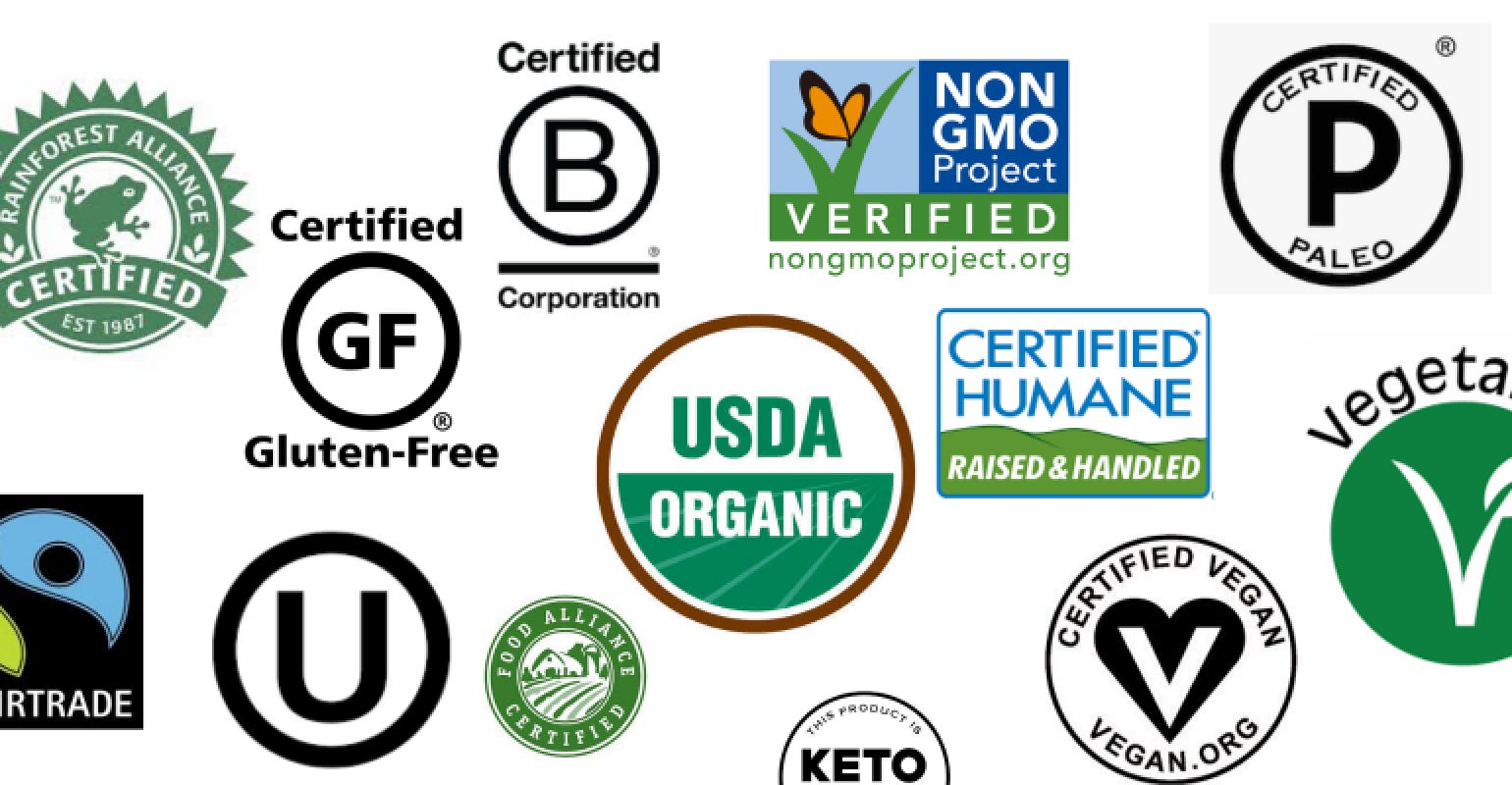
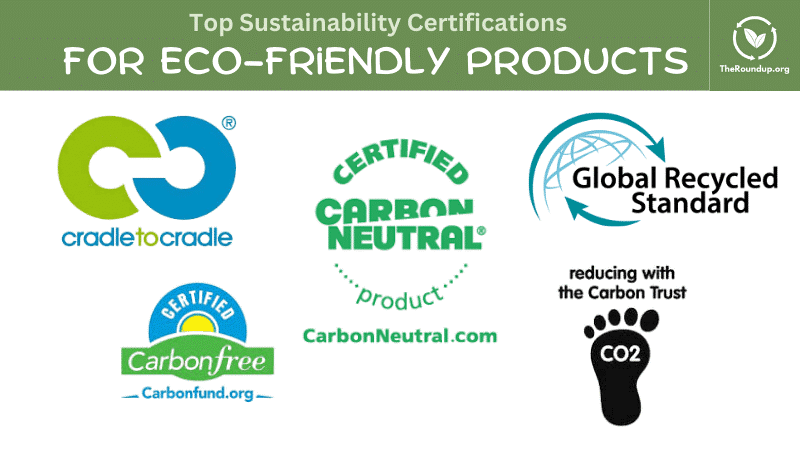
Certifications like “organic,” “fair trade,” or “carbon neutral” can be overwhelming. Consumers often struggle to differentiate genuine certifications from marketing tactics.

6. The Ripple Effect: How Awareness Influences Businesses

The known power of the ripple effect.

Consumer demand is pushing businesses to rethink strategies. Awareness is not only shaping choices but also reshaping industries.

  • Product Innovation: Brands are investing in biodegradable materials, zero-waste packaging, and renewable energy-based production.

  • Supply Chain Adjustments: Companies are monitoring emissions, sourcing responsibly, and partnering with ethical suppliers.

  • Corporate Social Responsibility (CSR): Sustainability has become a core part of brand identity, with companies highlighting eco-initiatives as part of their value system.

  • Policy Pressure: Businesses face pressure to adhere to stricter environmental regulations, driven in part by vocal consumer demand.

7. Eco-Consciousness and Lifestyle Shifts

The rise of the eco-friendly consumer

For many Americans, eco-consciousness has become more than just a shopping trend—it’s part of their lifestyle.

  • Minimalism: Buying fewer but higher-quality items.

  • Recycling & Upcycling: Finding new uses for old products rather than discarding them.

  • Plant-Based Living: Choosing diets that reduce environmental impact.

  • Shared Economy: Supporting rental services, second-hand markets, and community sharing initiatives.

These lifestyle changes reflect a deeper cultural shift toward sustainability.

8. The Role of Education and Media

Education Today | Education news | Web portal

Awareness grows through education and storytelling. Documentaries, social media influencers, and educational campaigns have been crucial in spreading sustainability awareness. For instance, viral campaigns against single-use plastics sparked widespread reductions in plastic straw usage.

Educational platforms and online resources further empower consumers to make informed choices. When information is readily available, eco-conscious behaviors are easier to adopt.

9. Looking Ahead: The Future of Eco-Conscious Shopping

a couple of women standing next to each other holding shopping bags

The rise of eco-conscious consumers is not slowing down—it is accelerating. Here’s what the future could hold:

  • Mainstream Sustainability: Eco-friendly products will no longer be niche; they’ll be standard.

  • Circular Economy Models: More businesses will adopt “repair, reuse, recycle” approaches.

  • Carbon-Neutral Deliveries: E-commerce will increasingly use electric fleets, drones, and renewable energy to minimize shipping footprints.

  • Personalized Sustainability: Technology will help shoppers calculate their carbon footprint and choose greener alternatives.

  • Policy-Driven Change: Government incentives and stricter regulations will further push sustainable practices.

10. Why This Awareness Matters

The rise of eco-conscious consumers reflects more than a trend; it signals a societal awakening. Every eco-friendly choice reduces carbon footprints, minimizes waste, and supports ethical practices. Collectively, these decisions hold the power to:

  • Reduce pollution and conserve natural resources.

  • Encourage industries to innovate responsibly.

  • Create a healthier environment for future generations.

By making conscious choices, American consumers are sending a powerful message: the environment matters.

Conclusion

Behind every product, there’s a story—not just of craftsmanship and design, but also of its impact on the planet. The rise of eco-conscious consumers in America shows how awareness is transforming shopping from a transactional act into a meaningful statement of values.

At GoShipKart.com, we believe in highlighting this movement, fostering education, and empowering customers to align their everyday choices with a sustainable future. By understanding how awareness shapes decisions, we can all contribute to a greener, healthier world.

The next time you pick up an item, pause and consider: is this choice good for me, and is it good for the planet? That simple act of awareness is how change begins

Introduction

When people click “order now” on their screens, what follows often seems like magic. A few days later, a neatly packed box arrives at their doorstep, containing exactly what they wanted. But what really happens between the click of a button and the knock on the door? At GoShipKart.com, a USA-based e-commerce platform, we believe that understanding this journey helps customers appreciate the intricate web of logistics, technology, and human effort that make it possible.

This article will take you behind the scenes of that journey—step by step—so you can see how every package finds its way from the warehouse to your home.
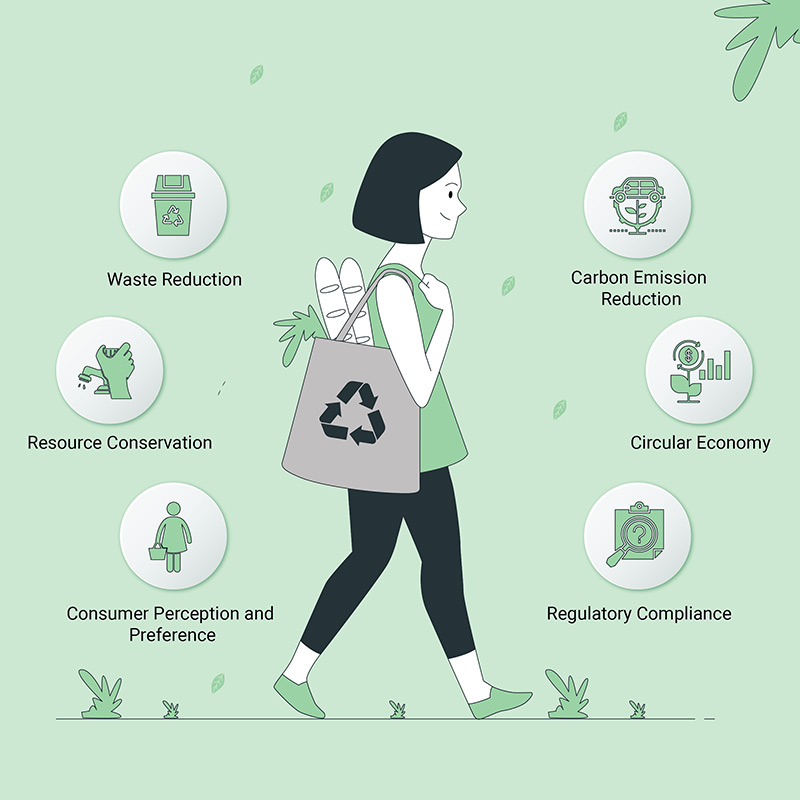
1. The Heart of the Operation: Modern Warehousing

Warehouses are not just giant storage rooms filled with boxes stacked to the ceiling. They are highly organized ecosystems designed to move items efficiently. At GoShipKart.com, our fulfillment centers serve as the backbone of our operations.

How Warehouses Are Organized

  • Zones and Bins: Products are sorted into zones based on categories and then stored in labeled bins or shelves. This ensures that locating items is fast and accurate.

  • Smart Technology: Many warehouses use advanced inventory systems that track every single item in real-time. A product’s location, availability, and condition are always visible through digital systems.

  • Climate Control: Fragile goods, perishables, or electronics are stored in specialized conditions to maintain quality.

The Role of Automation

Automation has transformed the warehousing process. Robots transport bins, conveyors move items swiftly across large facilities, and scanners ensure accuracy. Yet, humans remain central—especially for quality checks, packaging, and handling delicate items.

2. The Picking Process: Finding the Right Item

Once a customer confirms an order, the warehouse system immediately flags the item’s location. This is where the picking process begins.

  • Pickers with Technology: Equipped with handheld devices, pickers receive directions to the exact aisle, bin, and shelf. Some even use wearable scanners or augmented reality glasses to guide them.

  • Accuracy First: Each item is scanned to confirm it matches the order before being sent to the packing station.

  • Batch Picking: For efficiency, multiple orders may be picked simultaneously, with items separated into totes or bins that move along conveyors.

This step ensures the foundation of a correct and timely delivery.

3. The Art of Packaging: More Than Just a Box

ART of PACKAGING 2021 | Model Group Poland

Packaging is where functionality meets presentation. At GoShipKart.com, the aim is to make sure products arrive safe, secure, and presentable.

Factors Considered in Packaging

  • Size and Shape of the Item: Custom boxes or envelopes reduce excess space, saving materials and shipping costs.

  • Protection Needs: Fragile items are wrapped in bubble sheets, air pillows, or paper fillers. Heavy items are reinforced with double-layered cardboard.

  • Sustainability: Increasingly, fulfillment centers are adopting eco-friendly packaging—recyclable boxes, compostable fillers, and reduced plastic usage.

Why Packaging Matters

A well-packed order not only ensures the product arrives in perfect condition but also communicates trust and care from the brand. It’s the first physical interaction customers have with the product.

4. Labeling and Sorting: Preparing for the Journey

Every package receives a unique shipping label containing essential details: destination address, barcode, and tracking information. This label is the passport of the package, guiding it through every checkpoint until it reaches the final doorstep.

Once labeled, packages are sorted based on their destination:

  • Local Deliveries: Sent directly to regional courier partners.

  • National Deliveries: Routed through distribution hubs across states.

  • International Shipments: Processed with customs documentation and special handling.

Automated sorting machines can process thousands of packages per hour, ensuring each parcel joins the correct route.

5. Transportation: The Highway of Logistics

What Are the Different Modes of Transportation in Logistics?

Transportation is where logistics truly comes alive. The movement of packages across distances—whether short or long—is made possible by a network of vehicles, routes, and partnerships.

Modes of Transport

  • Trucks and Vans: The most common method for regional and last-mile deliveries.

  • Air Freight: For expedited orders or long-distance shipments across the country.

  • Rail and Sea Freight: Less common in everyday e-commerce but essential for bulk or international logistics.

Tracking in Motion

As packages travel, every checkpoint updates the system, allowing customers to track their orders in real-time. This transparency builds confidence and keeps expectations clear.

6. Regional Hubs: The Midway Stops

Before reaching your city, packages often make a pit stop at regional distribution hubs. Here, shipments are regrouped, re-sorted, and redirected to the correct local delivery centers.



  • Efficiency Checkpoints: Damaged packages are inspected, and delays are addressed at this stage.

  • Route Optimization: Technology helps plan the fastest delivery routes for trucks leaving the hub.

This network ensures that no matter where in the USA a customer lives—from urban centers to rural communities—the delivery process remains smooth.

7. The Last Mile: Bringing It to Your Door

The final leg of the journey, often called the last mile, is both the most expensive and most challenging part of logistics.

Why It’s Complex

  • Deliveries need to reach diverse locations: skyscraper apartments, suburban homes, or remote rural addresses.

  • Timing is crucial. Customers often expect precise delivery windows.

  • Traffic, weather, and unforeseen circumstances can cause delays.

The Role of Delivery Partners

Couriers play a vital role here. They navigate routes, handle packages carefully, and sometimes even provide real-time communication with customers. For example, notifications about “out for delivery” or “delivered successfully” are made possible by last-mile tracking.

8. The Human Touch Behind Technology

While technology powers much of the process, the human element cannot be overlooked. From warehouse staff ensuring items are picked correctly to drivers making the final delivery, people are at the heart of fulfillment.

  • Customer Care: Handling fragile items, addressing delivery instructions, or ensuring that elderly customers receive assistance when needed.

  • Problem Solving: Packages sometimes face delays or rerouting, and staff step in to resolve these issues quickly.

This blend of automation and human effort creates a system that is both efficient and reliable.

9. Challenges in Logistics and Fulfillment

Even with advanced systems, challenges remain:

  • Seasonal Surges: During holidays or major sales events, warehouses handle millions of extra packages.

  • Weather Disruptions: Snowstorms, hurricanes, or floods can halt transportation.

  • Last-Mile Costs: Delivering to remote areas can be resource-intensive.

  • Sustainability Concerns: Balancing fast delivery with eco-friendly practices is an ongoing challenge.

Companies continuously innovate to address these issues—whether through better forecasting, renewable energy in transport, or smarter packaging solutions.

10. Building Awareness: Why Customers Should Care

Understanding the logistics journey creates appreciation for the hidden complexity behind every package. It also encourages mindful expectations. For example:

  • Patience During Delays: Knowing that weather or surges can impact timelines.

  • Support for Sustainability: Choosing slower but greener delivery options when available.

  • Respect for Couriers: Recognizing the effort drivers put in daily.

Awareness builds a stronger connection between customers and the ecosystem that delivers their products.

11. The Future of Logistics and Fulfillment

The landscape of logistics is constantly evolving. Looking ahead, customers can expect:

  • Drone Deliveries: Quicker last-mile fulfillment in urban areas.

  • Electric Fleets: Reduced carbon footprints with electric delivery vans.

  • Smarter Warehouses: Greater reliance on AI and robotics for speed and accuracy.

  • Predictive Shipping: Anticipating customer needs and pre-positioning products before orders are placed.

These innovations will continue to make deliveries faster, greener, and more efficient.

Conclusion

Behind every package lies a fascinating story of movement, precision, and dedication. From warehouses brimming with technology to delivery drivers navigating the last mile, each stage plays a vital role in ensuring customers receive their orders on time and in perfect condition.

At GoShipKart.com, we believe in educating customers about this journey—not only to build trust but also to inspire awareness of the incredible network that powers modern e-commerce. The next time a box arrives at your door, you’ll know the hidden effort, coordination, and care that made it possible

Introduction

At goshipkart.com, we strongly believe that awareness is the foundation of smart online shopping decisions. While products, descriptions, and images give people a surface-level understanding, the true experience of a product often lies in the stories shared by other users. That’s where reviews and ratings come into play.

In the rapidly growing world of e-commerce, where countless options are available for every need, reviews and ratings serve as a compass for trust. They help individuals navigate choices, avoid pitfalls, and find products that genuinely add value to their lives. This article explores why reviews and ratings matter, how they shape decisions, and what both consumers and businesses can learn from them.

1. The Human Connection in a Digital Marketplace

Building Human Connections in a Digital World

Shopping online often lacks the personal interaction of physical stores. In a traditional setting, one could talk to a salesperson, touch the product, or ask other shoppers for their opinions. Online, reviews and ratings fill this gap.

  • A five-star rating offers a quick snapshot of quality.

  • Detailed reviews give a glimpse into real-world usage.

  • Honest feedback builds a sense of community and trust.

Awareness Takeaway: Reviews restore the human element in e-commerce. They allow people to connect with the experiences of others before making a decision.

2. Building Trust in a Sea of Options

How to build trust in a software team? Well, just don't! | TSH.io

With thousands of options available on goshipkart.com and other e-commerce platforms, how do individuals know which product stands out?

  • High ratings reassure potential customers of consistent quality.

  • Negative reviews highlight possible issues, helping people prepare or choose alternatives.

  • Balanced feedback signals authenticity — not every product is perfect, and realistic expectations help people feel more satisfied with their choices.

Awareness Takeaway: Trust is not built by glossy images or marketing claims but by genuine customer voices.

3. The Power of Social Proof

The Power of Social Proof: Why Advertisers Rely on Testimonials - ForeMedia

Humans naturally look to others for guidance, especially when making decisions in uncertain situations. This is known as social proof.

  • If hundreds of people rate a product positively, new shoppers feel more confident in selecting it.

  • Reviews often highlight specific benefits that product descriptions may not mention.

  • Seeing others share real experiences creates a sense of validation.

Awareness Takeaway: Social proof reduces the anxiety of making wrong decisions and gives confidence in exploring new products.

4. Beyond Stars: The Story Behind Reviews

While star ratings are quick indicators, the true depth lies in the written reviews.

  • A product with 4 stars overall may have specific praise for durability, ease of use, or eco-friendliness.

  • Negative reviews often reveal common challenges—from sizing issues in clothing to compatibility problems in electronics.

  • Many reviewers provide tips and advice, such as how to get the best use out of a product.

Awareness Takeaway: Ratings give the score, but reviews tell the story. Reading deeper provides context and clarity.

5. Encouraging Transparency in Brands

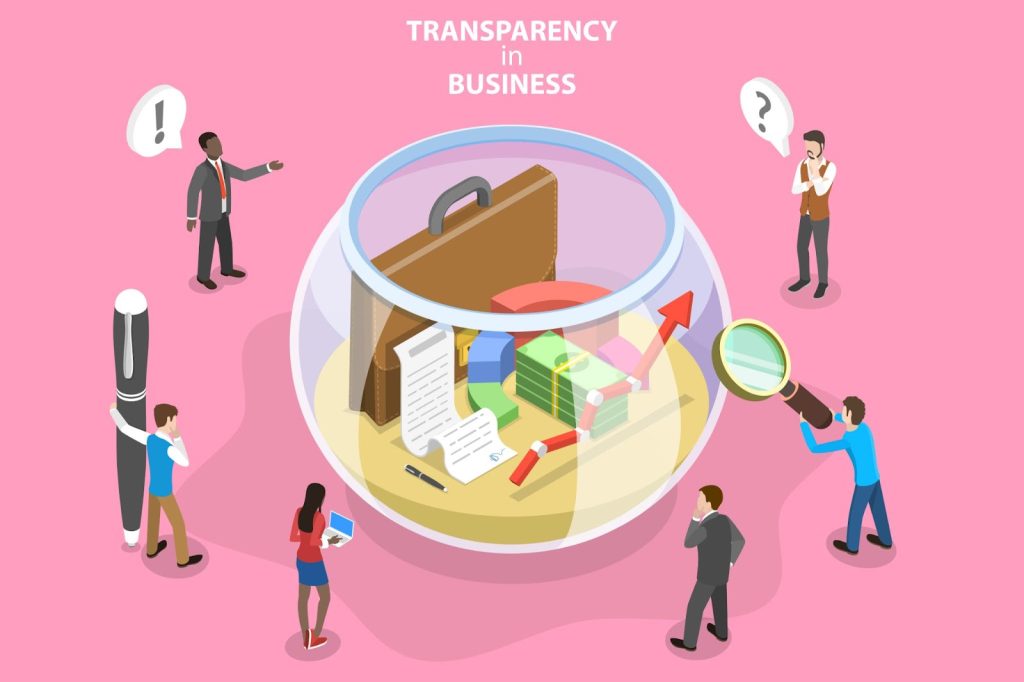
Building Trust: The Importance of Transparency in Brand Marketing

Reviews are not just helpful for customers; they also hold brands accountable.

  • Authentic reviews push businesses to maintain consistent quality.

  • Constructive criticism provides a blueprint for improvement.

  • Companies that respond to reviews show commitment to customer satisfaction.

Awareness Takeaway: Transparency fosters long-term trust. Brands that engage openly with feedback are often the ones that grow stronger reputations.

6. Spotting Authentic vs. Fake Reviews

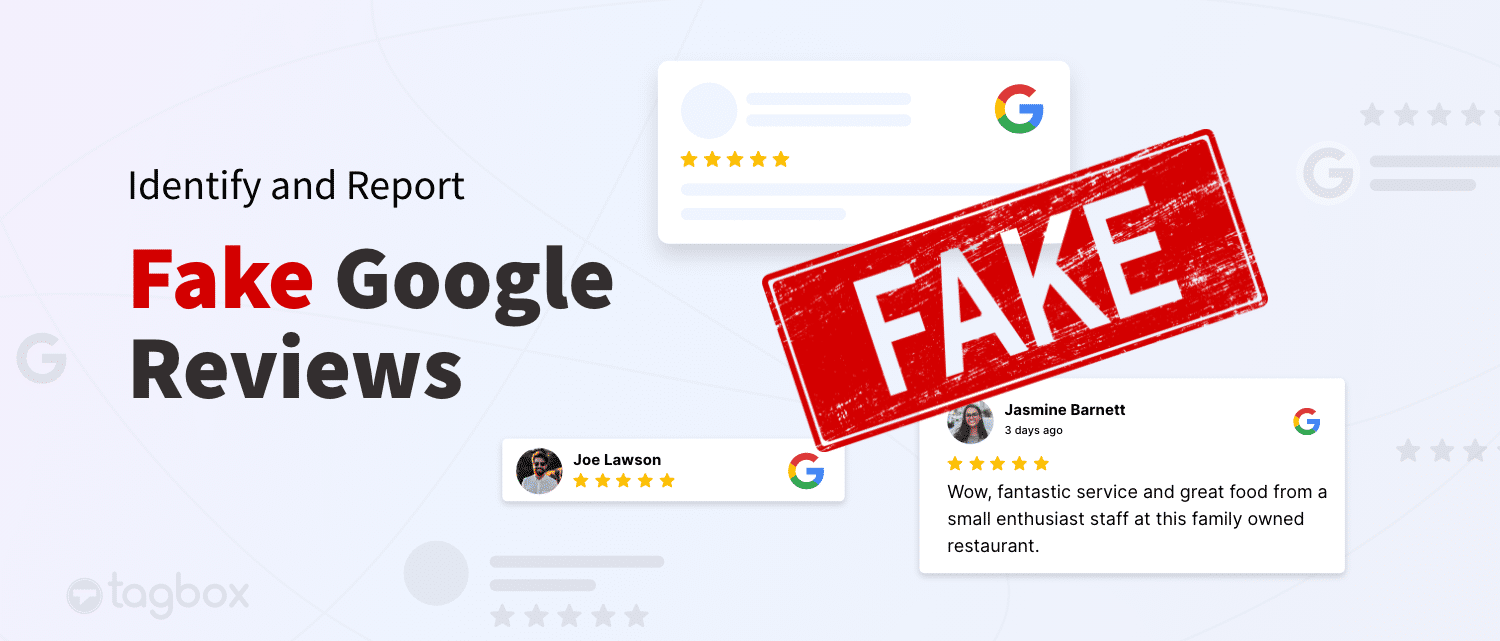
Identify and Report Fake Google Reviews - Ultimate Guide for 2024

One challenge in online shopping is distinguishing between genuine and manipulated feedback. Awareness is key.

  • Look for verified reviews: Many platforms highlight reviews from confirmed customers.

  • Check for balance: Authentic reviews often include both positives and negatives.

  • Avoid generic praise: Short, overly promotional reviews may be less reliable.

  • Focus on details: Real customers share specific experiences, such as how a product feels, performs, or fits into daily life.

Awareness Takeaway: Not all reviews are created equal. Developing an eye for authenticity helps people make informed decisions.

7. How Reviews Influence Product Innovation

Product reviews and ratings: Review Influence: The Influence of Reviews on Consumer Decision Making - FasterCapital

Feedback loops between customers and businesses are powerful.

  • Consistent requests for new features inspire product upgrades.

  • Negative experiences drive companies to fix flaws quickly.

  • Positive feedback reinforces what the brand is already doing well.

Awareness Takeaway: Reviews don’t just shape customer decisions—they actively shape the products of tomorrow.

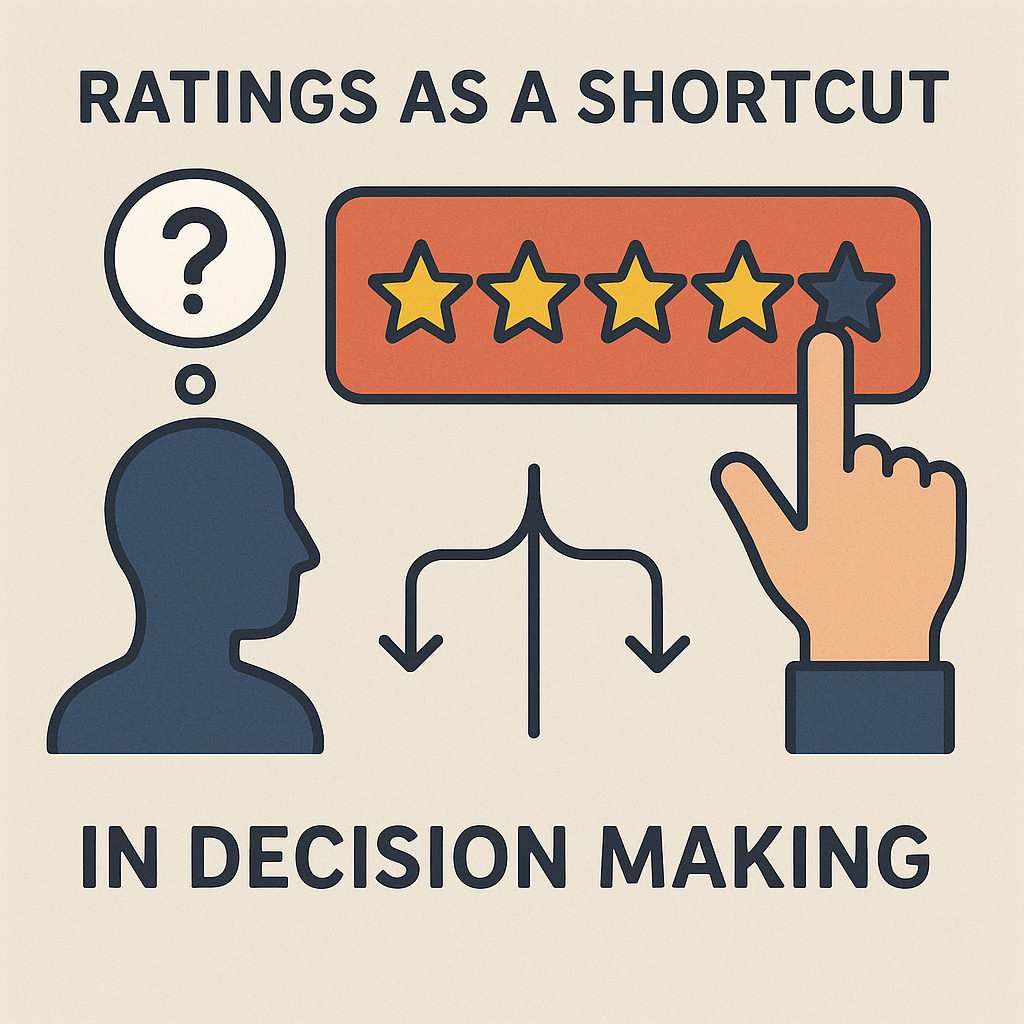
8. Ratings as a Shortcut in Decision-Making

In today’s fast-paced world, not everyone has time to read dozens of reviews. That’s where ratings act as a quick filter.

  • A product with 4.5 stars or higher instantly signals reliability.

  • Comparing similar items becomes easier when ratings are visible.

  • Ratings also help highlight top-performing categories on platforms like goshipkart.com.

Awareness Takeaway: Ratings save time, but for major decisions, combining them with detailed reviews is best.

9. Building Community Through Feedback

BUILDING A FEEDBACK CULTURE AT CLARKSON COMMUNITY HIGH SCHOOL: WORKING WITH GOALS AND CRITERIA

Reviews create a cycle of shared knowledge.

  • When one customer shares a positive experience, others feel encouraged to do the same.

  • Negative experiences, when addressed, demonstrate collective problem-solving.

  • Over time, this builds a community where feedback fuels continuous growth.

Awareness Takeaway: Reviews connect individuals in a shared journey of discovery and trust.

10. The Responsibility of Leaving Reviews

Every review left online contributes to the ecosystem of trust.

  • Detailed reviews help future customers.

  • Constructive criticism provides businesses with opportunities to improve.

  • Timely feedback ensures issues are addressed quickly.

Awareness Takeaway: Writing reviews isn’t just about sharing opinions—it’s about contributing to a culture of honesty and improvement.

11. The Evolution of Reviews and Ratings

Optimizing Your Google Review CarThe Evolution of Google Review Cards: From Ratings to Rich Snippetsd: A Strategic Approach for Business Success

Technology continues to reshape how reviews and ratings work.

  • AI-driven analysis helps detect fake reviews.

  • Video reviews offer richer insights compared to text alone.

  • Integration with social media amplifies customer voices.

  • Augmented reality (AR) may allow interactive product testing paired with reviews in the future.

Awareness Takeaway: The future of reviews will make feedback more immersive, transparent, and reliable.

12. Why Awareness Matters More Than Ever


In a digital world where options are endless and marketing is persuasive, reviews and ratings stand as one of the most authentic sources of truth.

  • They balance glossy advertising with real-world honesty.

  • They empower individuals to make confident, informed choices.

  • They hold businesses accountable while rewarding those that deliver quality.

Awareness Takeaway: Reviews and ratings are not just optional extras—they are essential guides in navigating the modern online shopping experience.

Conclusion: Reviews as the Backbone of Online Trust

At goshipkart.com, we view reviews and ratings as more than digital add-ons—they are the backbone of trust in e-commerce. They inform, educate, and connect people in meaningful ways, ensuring that every decision is supported by the wisdom of collective experience.

As technology advances and products evolve, one thing remains constant: the value of authentic customer feedback. By staying aware, reading between the stars, and contributing to this ecosystem, individuals help shape a digital marketplace built on trust, transparency, and shared growth.

Introduction

Technology has reshaped the modern world in ways that are often invisible to us. From the moment we wake up to the time we go to bed, our daily routines are filled with products that have been transformed by innovation. Whether it’s the alarm on a smart device, the coffee machine in the kitchen, the wearable tracker on a morning jog, or the connected car for the commute, technology has made everyday items more efficient, user-friendly, and smarter.

At goshipkart.com, a USA-based e-commerce platform, we believe that awareness of how innovation impacts daily products is essential. Understanding these changes not only helps people adapt to new technologies but also empowers them to make informed choices when exploring what works best for their lifestyles. Let’s take a deeper look at how technological advancements have influenced the things we interact with every day.

1. The Evolution of Communication Devices

Evolution of Communication Technologies | Download Scientific Diagram

Perhaps the most obvious transformation lies in the way we communicate. A few decades ago, telephones were wired to walls, and letters took days to reach their destination. Today, smartphones combine multiple functions: messaging, video calls, email, GPS navigation, online banking, and even controlling smart home devices.

Modern communication devices are no longer just for talking; they act as personal assistants, entertainment centers, and productivity tools. Voice assistants like Siri, Alexa, and Google Assistant allow users to interact hands-free, while 5G networks ensure lightning-fast connections.

Impact: Communication is now immediate, portable, and versatile, allowing people to stay connected across the globe in ways that were once unimaginable.

2. Kitchen Appliances That Think

Names Of Household Appliances In English

The kitchen has evolved from a place of manual effort to a hub of technological sophistication. Refrigerators now feature touchscreen panels, cameras that show what’s inside, and reminders for food expiration dates. Smart ovens can preheat remotely and recommend cooking times based on the dish. Coffee makers can be scheduled via smartphone apps to ensure a fresh brew exactly when needed.

Impact: Kitchen tasks have become faster, safer, and more convenient, reducing food waste and making healthier choices easier.

3. Wearable Technology and Personal Health

The Impact Of Wearable Technology In Healthcare - PEPID Pulse

One of the most profound areas of technological impact is personal health and fitness. Fitness trackers, smartwatches, and even smart clothing monitor heart rate, sleep cycles, activity levels, and calorie intake. Some wearables can detect irregular heart rhythms or monitor blood oxygen levels, empowering users to take charge of their health.

Impact: Technology has shifted health awareness from reactive to proactive. Individuals can now monitor vital signs in real time, making everyday health management more accessible.

4. Smarter Homes, Smarter Living

Smart Living Starts Here Explore Home Automation Systems | by Heena Ali | Medium

Home automation has moved from luxury to mainstream. Smart thermostats learn user preferences and adjust temperatures automatically, saving energy. Smart lighting systems allow mood adjustments through smartphone controls or voice commands. Security systems now include AI-powered cameras, motion detectors, and remote monitoring.

Even household cleaning has changed with robotic vacuum cleaners that map the house and adjust their cleaning patterns accordingly.

Impact: Everyday living has become more efficient, eco-friendly, and secure, giving people both convenience and peace of mind.

5. Transportation Reimagined

Cars are no longer just mechanical vehicles—they are becoming connected, intelligent machines. GPS navigation, in-car entertainment, voice recognition, and advanced driver-assistance systems (ADAS) are standard in many modern vehicles. Electric vehicles (EVs) and hybrids reflect the technological shift toward sustainability.

Ride-sharing apps and electric scooters further highlight how transportation technology has redefined urban mobility. Autonomous driving, though still evolving, is pushing the boundaries of how people perceive travel.

Impact: Technology has made transportation safer, more environmentally friendly, and adaptable to changing lifestyles.

6. Work and Productivity Tools

Top 40 Tools to Supercharge Your Productivity in 2025

The workplace has undergone dramatic changes due to technological innovation. Laptops, tablets, and cloud-based platforms enable work from anywhere, blurring the line between office and home. Video conferencing software makes collaboration possible across continents. Even everyday stationery has evolved, with smart pens that digitize handwritten notes.

Artificial Intelligence (AI) tools are increasingly streamlining tasks like scheduling, data entry, and document analysis.

Impact: Productivity has increased exponentially, and flexibility in work arrangements has become the new normal.

7. Entertainment at Our Fingertips

Information at Your Fingertips - IEEE Spectrum

Technology has revolutionized how we entertain ourselves. Streaming platforms have replaced DVDs, and smart TVs integrate internet connectivity for instant access to shows, movies, and music. Gaming has expanded beyond consoles into cloud-based platforms and virtual reality (VR).

Headphones now feature noise-canceling technology, and portable speakers deliver high-quality sound with wireless convenience.

Impact: Entertainment is now more personalized, accessible, and immersive than ever before.

8. Education and Learning Tools

31 Awesome Digital Education Tools for Teachers and Learners | NASCA Learning Centre

Everyday learning has also been transformed by technology. Tablets and laptops are essential for students, with e-books replacing traditional textbooks in many classrooms. Online courses and learning apps allow anyone to gain new skills from home. Augmented reality (AR) and VR are introducing interactive, immersive experiences in education.

Impact: Education is more engaging, flexible, and accessible, empowering people of all ages to keep learning in innovative ways.

9. Personal Finance Made Simple

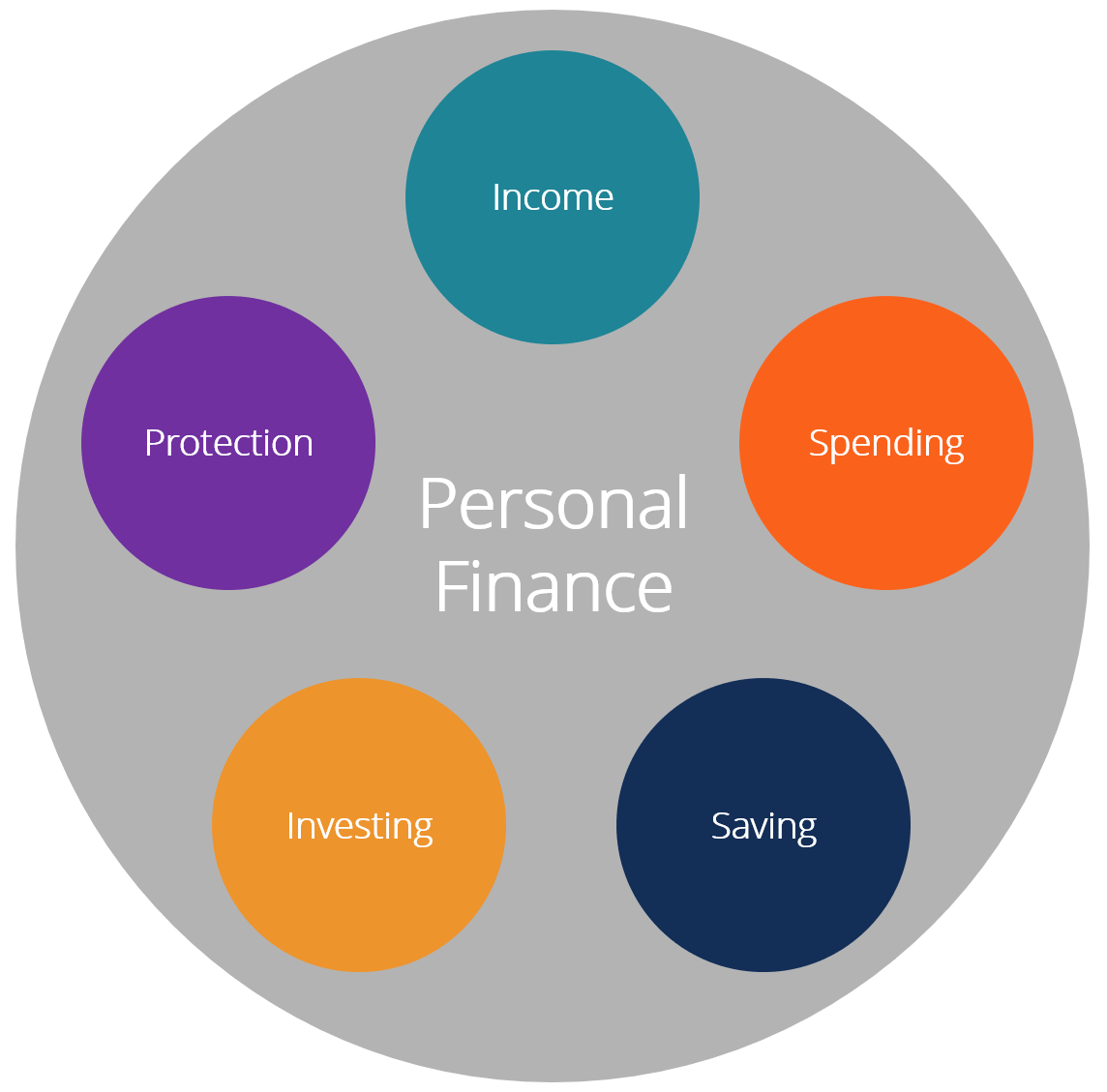
Personal Finance - Defined, Guide, Example, Template

Banking and financial management are no longer restricted to physical branches. Mobile banking apps, digital wallets, and contactless payments have made financial transactions seamless. AI-driven platforms can track spending habits, provide saving suggestions, and even manage investments.

Impact: Everyday financial management has become faster, more secure, and user-friendly.

10. Clothing and Fashion Innovation

11 Fashion Technologies For Forward-Thinking Clothing Brands

Even apparel has not escaped technological influence. From moisture-wicking fabrics to clothing made with recycled materials, innovation is reshaping fashion. Smart textiles that can regulate body temperature or track biometrics are already entering the market. Online platforms now use virtual fitting rooms powered by AR to help customers visualize clothing on their own body types.

Impact: Clothing has become more functional, sustainable, and interactive, blending style with technology.

11. Eco-Friendly Innovations in Daily Life

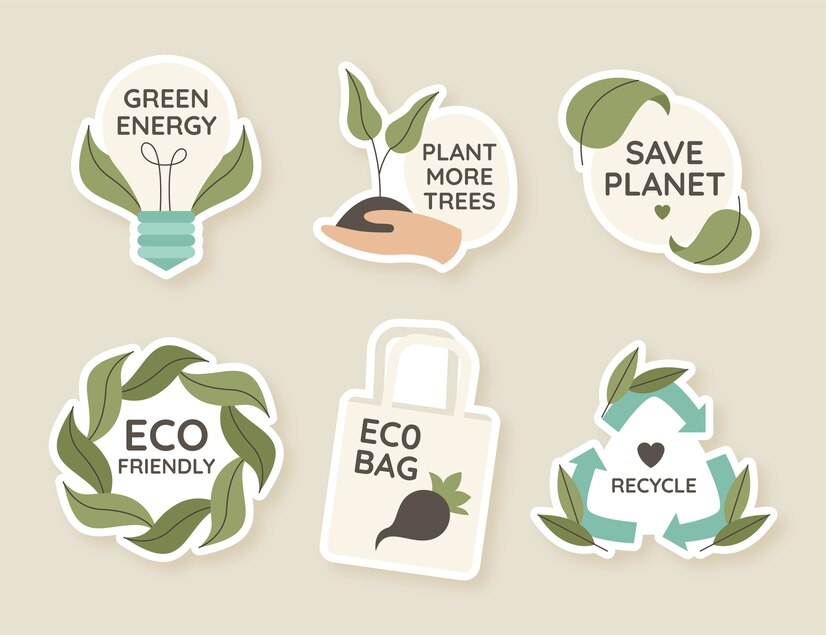
What Is Eco-Friendly? Key Practices, Global Examples, and Future Innovations | What is Green Living?

Technology is also driving eco-conscious choices in everyday products. From solar-powered chargers to biodegradable packaging, innovation is steering society toward sustainability. Appliances are increasingly designed to consume less energy, and water-saving devices are becoming standard in homes.

Impact: People are now empowered to make environmentally responsible choices without sacrificing convenience.

12. The Future of Everyday Products

Product Designer Takes Note on Everyday Items Used - Beyond Design

Looking ahead, the influence of technology on everyday products will only accelerate. The Internet of Things (IoT) will connect more devices, creating seamless experiences across homes, workplaces, and cities. Artificial Intelligence will personalize products even further, predicting needs before they arise.

Wearable health devices may soon become medical-grade, capable of diagnosing illnesses early. Smart clothing could adjust to weather conditions in real time. Autonomous vehicles will continue redefining mobility, while sustainable technologies will ensure that innovation aligns with the planet’s needs.

Impact: The future promises a world where everyday products not only make life easier but also smarter, safer, and more sustainable.

Conclusion: Awareness as a Pathway to Better Choices

Technology’s impact on everyday products is undeniable—it has redefined communication, health, education, work, entertainment, and even fashion. What once seemed futuristic is now part of daily life. Yet, as innovation continues, it’s important to remain aware of these transformations.

At goshipkart.com, we believe that awareness empowers people to make thoughtful decisions. Understanding how technology shapes the products we use daily helps individuals adapt more effectively, embrace sustainable choices, and take advantage of innovations without feeling overwhelmed.

Every product tells a story of progress, and being informed is the key to navigating this era of constant change. With innovation driving the future, staying aware ensures that technology enhances life in ways that are not only practical but also meaningful.

Introduction

In today’s fast-paced digital age, online shopping has transformed into one of the most convenient ways for people to explore products and services. From fashion and electronics to groceries and wellness goods, the internet offers nearly everything at our fingertips. However, along with this convenience comes a set of challenges that every online shopper must be aware of—chief among them is safety.

With cybercriminals becoming increasingly sophisticated, protecting your personal data while shopping online is no longer optional; it’s essential. At goshipkart.com, a USA-based e-commerce platform, we strongly believe that awareness is the key to ensuring a safe, secure, and worry-free shopping experience. This comprehensive guide will walk you through top safety tips for online shoppers so you can confidently navigate the digital marketplace.

1. Use Trusted Platforms

Blue Trusted Logo badge with text and shild icon 11892974 Vector Art at Vecteezy

One of the first and most crucial steps in safe online shopping is sticking to trusted websites. Well-established platforms typically use advanced encryption methods, maintain updated security protocols, and have strict data protection policies. Be cautious of unknown or unfamiliar sites, especially those that offer deals that seem too good to be true—they often are.

Tip: Look for websites that use HTTPS (the padlock symbol in the URL bar) as it indicates a secure connection.

2. Strengthen Your Passwords

Strengthen Your Password Policy With GDPR Compliance

Passwords are your first line of defense in protecting personal accounts. Many people still use predictable combinations such as “123456” or “password,” which make accounts vulnerable to hacking attempts.

Best practices for strong passwords include:

  • Use at least 12 characters.
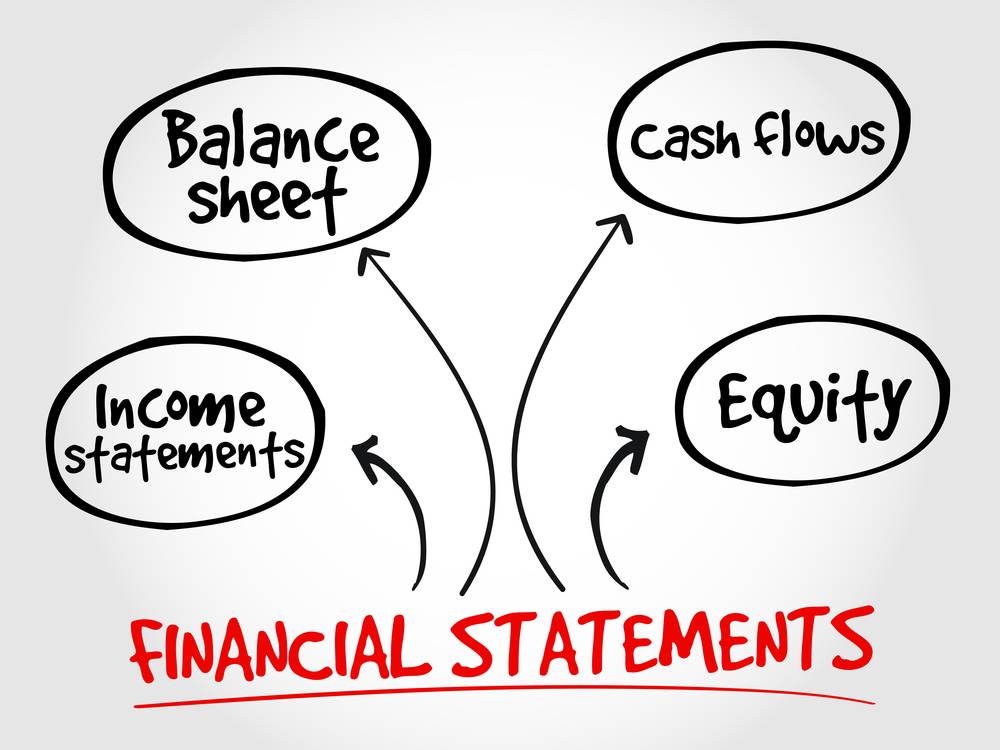
  • Combine uppercase and lowercase letters, numbers, and symbols.

  • Avoid using personal information like your name, birthday, or phone number.

  • Change your passwords regularly and avoid reusing the same password across multiple accounts.

Consider using a password manager to securely store and generate unique passwords for all your accounts.

3. Enable Two-Factor Authentication (2FA)

Two Factor Authentication

Two-Factor Authentication adds an additional layer of protection by requiring not just a password but also another form of verification, such as a text message code, email confirmation, or authentication app. Even if someone manages to steal your password, they cannot access your account without this second verification step.

4. Protect Your Devices

4 Easy Steps You Can Take to Protect Your Mobile Devices

Your phone, tablet, or laptop is the gateway to your online shopping experience. If it’s not secure, neither is your data.

Protective steps include:

  • Keep your operating system, browser, and apps up to date.

  • Install reliable antivirus software and enable firewalls.

  • Avoid downloading apps from unverified sources.

  • Regularly scan for malware and other threats.

5. Shop Using Secure Networks

Why Is Home Network Security Important – Softwareg.com.au

Public Wi-Fi might be convenient, but it’s also one of the riskiest ways to conduct online shopping. Hackers often target unsecured networks to intercept data such as login credentials and credit card information.

Safer alternatives include:

  • Using your mobile data connection.

  • Connecting via a Virtual Private Network (VPN), which encrypts your internet traffic and protects your identity.

6. Recognize and Avoid Phishing Scams

Guide to Recognize and Avoid Phishing Scams - Tips and ...

Phishing is one of the most common tricks cybercriminals use to steal personal data. It usually comes in the form of fraudulent emails, texts, or ads pretending to be from legitimate companies.

Signs of phishing attempts include:

  • Spelling errors and poor grammar in emails.

  • Urgent messages that pressure you into clicking a link.

  • Links that don’t match the sender’s official domain.

  • Requests for sensitive information such as Social Security numbers or credit card details.

Always verify the sender’s email address, and when in doubt, go directly to the company’s official website instead of clicking links in messages.

7. Monitor Your Financial Statements

Introduction to Financial Statements - IndiaFilings

Keeping track of your bank and credit card statements helps you quickly detect unauthorized transactions. Cybercriminals often test stolen card information with small charges before making larger ones. Early detection allows you to report issues to your financial institution immediately.

Consider setting up real-time transaction alerts to receive notifications whenever your card is used.

8. Be Cautious with Personal Information

Staying Safe Online: Essential Internet Safety Tips

Legitimate e-commerce platforms usually only ask for basic details like your name, address, and payment information. If a website or seller is requesting excessive personal details such as your Social Security number, that’s a red flag.

Limit the amount of personal data you share online, and never overshare on shopping platforms.

9. Use Secure Payment Methods

Top 10 Mobile Payment Options in Japan - freshtrax

When making online payments, always use secure and recognized methods. Credit cards, for instance, often offer stronger fraud protection than debit cards. Digital wallets like PayPal, Apple Pay, or Google Pay add another layer of protection by not directly sharing your card information with the seller.

Avoid direct bank transfers or wiring money, as these methods are harder to trace and offer little recourse if something goes wrong.

10. Read Reviews and Research Sellers

Why Consumers Read Reviews: 5 Research-Backed Reasons

Customer reviews are not just about product quality—they can also signal whether a seller is legitimate. Consistent negative feedback about suspicious practices or non-delivery of items should be a warning sign.

Do a quick background check on sellers by searching their name, reading ratings, and checking their history on trusted platforms.

11. Look for Trust Seals and Certifications

Website Trust Seals: Protect Yourself from Online Fraud

Reputable e-commerce websites often display trust seals such as Norton Secured, McAfee Secure, or BBB Accredited Business. These certifications indicate that the site has undergone specific security checks.

However, be cautious: fake seals exist. Always click on the seal to verify its authenticity.

12. Watch Out for Overly Attractive Deals

Cybercriminals frequently use “unbelievably low prices” as bait. If an offer seems drastically cheaper compared to other websites, it’s often a scam designed to collect your payment information.

Awareness tip: Compare prices across multiple platforms before making any decision.

13. Regularly Clear Cache and Cookies

Web browsers often store cookies and cache that track your online activity. While cookies can improve your browsing experience, they can also store sensitive data. Regularly clearing them reduces privacy risks and ensures your data doesn’t fall into the wrong hands.

14. Keep Your Email Secure

Many cybercrimes start with compromised email accounts. Since your email is often linked to your online shopping accounts, securing it is critical.

  • Use a strong, unique password.

  • Enable Two-Factor Authentication.

  • Be cautious of suspicious emails that request login credentials.

15. Stay Updated on Security Trends

The world of cybersecurity evolves rapidly, with new threats emerging constantly. Stay informed about the latest scams, updates, and protective measures by following reputable cybersecurity news sources.

Awareness is not a one-time effort but an ongoing responsibility.

16. Educate Family Members

Family intervention - NeuRA Library

If multiple members of your household shop online, it’s important to share these safety practices with everyone. Children and seniors are often the most vulnerable targets of scams. Simple education can prevent major issues.

17. Use Strong Security Questions

Many accounts still use security questions as a backup verification method. Avoid choosing questions with answers that can easily be guessed or found online, such as “What’s your mother’s maiden name?” or “What city were you born in?” Instead, choose unusual questions or answer them in ways that only you would understand.

18. Trust Your Instincts

If something feels off—whether it’s the design of a website, the way a seller communicates, or the type of information being requested—trust your gut. It’s better to walk away from a suspicious situation than to risk exposing sensitive information.

Conclusion: Awareness Is the Key to Secure Shopping

The digital world has unlocked limitless opportunities for convenience and accessibility, but it has also created new vulnerabilities that shoppers must be vigilant against. By following these top safety tips, online shoppers can significantly reduce risks and enjoy a safer, more secure experience.

At goshipkart.com, we emphasize that awareness is not only about finding the right product but also about protecting yourself in the process. Secure practices ensure peace of mind, allowing you to focus on what matters most: exploring products that truly fit your needs without fear of compromised safety.

Staying aware, informed, and cautious is the ultimate strategy in navigating today’s online shopping landscape

Introduction

When exploring products online, you may notice a variety of labels, badges, and certifications attached to them. From “Organic” to “Fair Trade” and “Energy Star” to “FDA Approved,” these tags are more than just visual add-ons—they carry important meaning about safety, quality, sustainability, and ethics.

At goshipkart.com, we believe that awareness is essential for smarter decisions. Understanding what product labels and certifications actually mean can help you choose items that align with your health, values, and lifestyle. Let’s break down the world of product labeling in detail, so you can confidently interpret those symbols the next time you shop online.

1. Why Labels and Certifications Matter

✔️ Behind the certification - by Parker Hughes

Labels and certifications serve as a bridge of trust between brands, regulators, and consumers. Their importance lies in three key areas:

  • Safety and assurance: Many certifications ensure that products meet strict health or safety standards.

  • Transparency: Labels reveal how a product is made, what it contains, or what it avoids.

  • Values and ethics: Certifications often reflect environmental sustainability, animal welfare, or fair labor practices.

Without clear awareness of these standards, it’s easy to feel overwhelmed or even misled by terms like “natural” or “eco-friendly,” which may not always have regulated definitions.

2. The Most Common Food and Beverage Certifications

Types of Food Certification in India - Industry Today - Leader in Manufacturing & Industry News

Food and beverages are some of the most heavily labeled categories in the U.S. market. Here are the key certifications you’ll likely encounter:

USDA Organic

  • Ensures products are produced without synthetic pesticides, chemical fertilizers, genetically modified organisms (GMOs), or artificial additives.

  • Certification is regulated by the U.S. Department of Agriculture.

  • Variations include “100% Organic,” “Organic” (95% organic ingredients), and “Made with Organic Ingredients” (70% organic).

Non-GMO Project Verified

  • Indicates that the product does not contain genetically modified organisms.

  • Backed by third-party testing to verify compliance.

Fair Trade Certified

  • Focuses on ethical practices in farming and manufacturing.

  • Ensures fair wages, safe working conditions, and community development for producers.

Certified Gluten-Free

  • Guarantees products contain less than 20 parts per million (ppm) of gluten, meeting FDA standards.

  • Particularly important for individuals with celiac disease or gluten sensitivity.
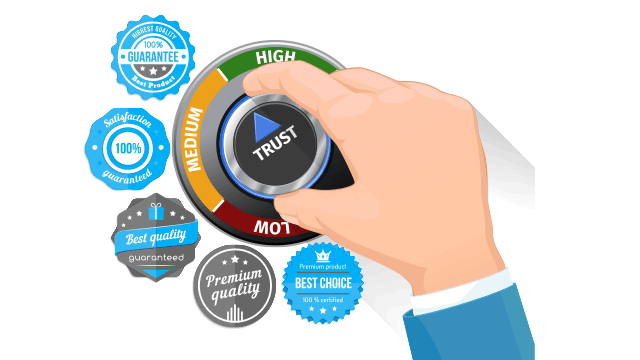
Kosher and Halal

  • Kosher means the food complies with Jewish dietary laws.

  • Halal certifies that food adheres to Islamic dietary practices.

  • Both provide cultural and religious assurance.

USDA Inspected / FDA Approved

  • USDA oversees meat, poultry, and egg products.

  • FDA ensures the safety of most packaged foods, beverages, and supplements.

Understanding these food labels helps consumers align choices with dietary needs, ethical concerns, or health goals.

3. Health and Wellness Product Certifications

Health And Wellness Coach in Faridabad

The health and wellness industry often highlights certifications to prove safety and effectiveness.

USP Verified (United States Pharmacopeia)

  • Common in vitamins and supplements.

  • Ensures the product contains the listed ingredients in the stated amounts and is free from harmful contaminants.

NSF Certified

  • Found on supplements, water filters, and sports nutrition products.

  • Independent testing verifies safety, quality, and compliance with strict standards.

Leaping Bunny (Cruelty-Free)

  • Indicates the product is not tested on animals at any stage of development.

  • Recognized internationally as one of the strictest cruelty-free standards.

Vegan Certified

  • Ensures products contain no animal ingredients or by-products.

  • Common in cosmetics, supplements, and personal care products.

Hypoallergenic or Dermatologist Tested

  • These terms suggest safety for sensitive skin, but unlike FDA-regulated labels, these claims may vary. Always check for third-party verification.

4. Eco-Friendly and Sustainability Certifications

As awareness of environmental issues grows, eco-labels have become increasingly important in the U.S. marketplace.

Energy Star

  • Common on appliances, electronics, and lighting.

  • Indicates energy efficiency that helps save money and reduces environmental impact.

Forest Stewardship Council (FSC Certified)

  • Found on wood, paper, and packaging products.

  • Ensures materials are responsibly sourced from sustainable forests.

Rainforest Alliance Certified

  • Often seen on coffee, tea, bananas, and chocolate.

  • Promotes sustainable agriculture, forest conservation, and fair treatment of workers.

Green Seal

  • Applied to cleaning and household products.

  • Verifies reduced environmental impact, toxicity, and waste.

EPEAT Certified

  • Common for electronics like laptops or monitors.

  • Ensures eco-friendly design, recyclability, and energy efficiency.

These eco-labels allow consumers to make decisions that not only benefit themselves but also support the planet.

5. Apparel and Fashion Certifications

13 Fashion Certifications You'll See & What They Mean

Fashion is another industry where certifications help ensure ethical and sustainable practices.

OEKO-TEX Standard 100

  • Tests textiles for harmful substances.

  • A globally recognized standard ensuring fabrics are safe for human skin.

Global Organic Textile Standard (GOTS)

  • Applies to organic fibers in clothing, bedding, and home textiles.

  • Covers everything from harvesting raw materials to socially responsible manufacturing.

Fair Trade Apparel

  • Ensures ethical production practices in clothing and accessories.

  • Focuses on fair wages, safe workplaces, and sustainability.

PETA-Approved Vegan

  • Confirms clothing and accessories are made without animal-derived materials such as leather, wool, or silk.

6. Electronics and Technology Certifications

10 years of evolution of electronic technology and a sneak peek into the near future | Adamas University

Technology products also come with important certifications that indicate safety, efficiency, and reliability.

UL Listed

  • Shows that an electronic product has been tested for safety by Underwriters Laboratories.

  • Common for chargers, cables, and household electronics.

FCC Certification

  • Required for devices that emit radiofrequency energy (like phones, Wi-Fi routers).

  • Ensures compliance with U.S. communication and safety regulations.

RoHS Compliant

  • Indicates restriction of hazardous substances in electronics.

  • Reduces toxic materials like lead or mercury in devices.

Energy Star (Electronics)

  • Indicates lower energy consumption for items like computers, refrigerators, or TVs.

7. Common Misleading or Unregulated Labels

Watch Out for These 10 Unregulated & Misleading Food Labels! ⋆ 100 Days of Real Food

Not all labels carry the same weight. Some terms can be vague or unregulated.

  • “All-Natural”: Unlike “organic,” this term has no strict regulatory definition and can be misleading.

  • “Chemical-Free”: Every product is made of chemicals—what matters is whether they are safe.

  • “Eco-Friendly” without certification: Unless supported by a third-party certification, the claim may not mean much.

  • “Clinically Proven”: The type of testing and its credibility may vary.

Awareness of these weak or unregulated labels prevents confusion and helps consumers focus on meaningful certifications.8. How to Verify Product Certifications

With so many tags and badges out there, how can you ensure they are genuine?

  • Check the official website of the certifying organization for a database of certified products.

  • Look for certification numbers often listed on packaging or labels.

  • Research the certifier: Legitimate certifications come from recognized third-party organizations, not just brand-created logos.

  • Use mobile apps designed to scan product barcodes and confirm authenticity.

9. Why Awareness Matters More Than Ever

Consumers in the USA are increasingly aligning their choices with personal values—whether it’s health, sustainability, or ethics. Understanding certifications means:

  • You can avoid greenwashing—misleading claims about sustainability.

  • You make decisions that support ethical labor and fair trade.

  • You protect your family by choosing safer, healthier products.

  • You contribute to global sustainability by supporting certified eco-friendly practices.

Awareness transforms product labels from confusing tags into powerful tools for informed decision-making.

10. How goshipkart.com Supports Awareness

At goshipkart.com, we are committed to guiding our community toward clarity and confidence in the digital marketplace. Here’s how we support you:

  • Transparent product details: Certifications and labels are highlighted with explanations.

  • Educational resources: Articles and guides like this help decode certifications.

  • Curated selections: Focus on products that meet trusted standards for quality, safety, and sustainability.

  • Ethical partnerships: We work with brands that prioritize authenticity and responsibility.

Our goal is to ensure that every shopper understands not just what a product is, but also what its labels and certifications truly represent.

Final Thoughts

Product labels and certifications are more than decorative badges—they are essential signals of quality, safety, ethics, and sustainability. In a world where online choices can feel overwhelming, awareness is your strongest tool. From USDA Organic and Energy Star to Fair Trade and OEKO-TEX, each certification carries meaning that impacts your health, your values, and even the planet.

By learning to interpret these symbols, you take control of your shopping journey and ensure that your choices align with what matters most to you. At goshipkart.com, we believe that awareness leads to smarter, more responsible shopping—and together, we can build a future where transparency and trust shape the world of e-commerce