


Introduction

n the fast-moving world of e-commerce, the variety of products available can be overwhelming. From home essentials to lifestyle goods, fashion, and technology, there are countless options to choose from. However, not all products are created equal. While some are designed with durability, safety, and craftsmanship in mind, others may fall short, leaving customers with disappointing experiences.

At goshipkart.com, a USA-based e-commerce platform, we believe that understanding product quality is key to making smart and satisfying choices. Quality isn’t only about aesthetics or price—it reflects a product’s performance, longevity, and ability to meet the needs of everyday life. This guide is designed for beginners who want to learn how to identify excellence, understand what makes a product truly valuable, and make informed decisions that support both convenience and sustainability.

Why Product Quality Matters
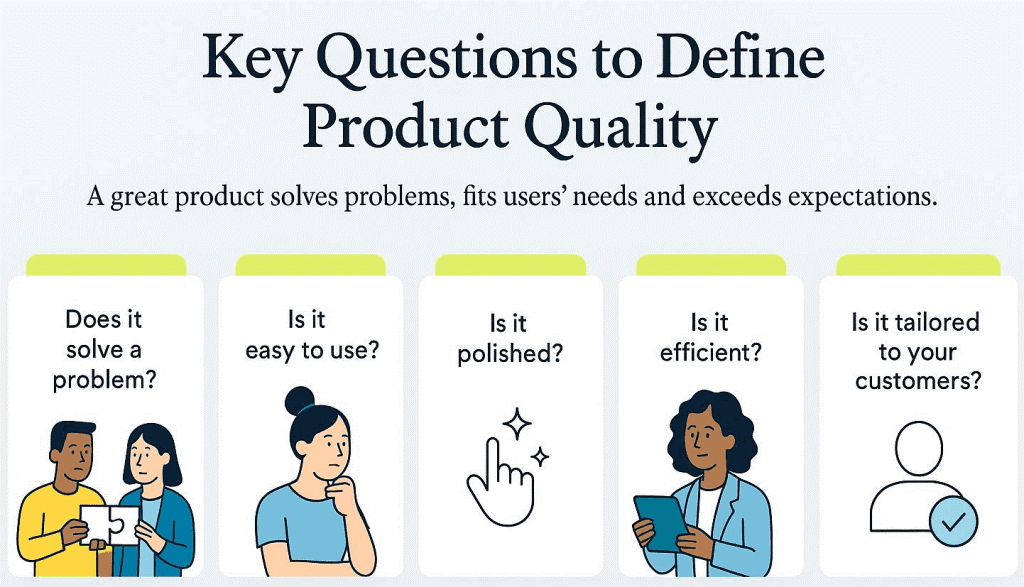
Product quality impacts more than just the way an item looks—it influences its usability, durability, and overall value. A high-quality product often:

  • Performs reliably: It does what it’s designed to do without frequent issues.

  • Lasts longer: Built with stronger materials, it withstands daily wear and tear.

  • Supports sustainability: Durable items reduce the need for replacements, cutting down on waste.

  • Provides better value: While the upfront cost might be higher, the long-term savings outweigh frequent replacements.

  • Ensures safety: Superior products comply with safety standards, protecting users from potential hazards.

By paying attention to these aspects, customers ensure their choices are both smart and impactful.

1. Material Matters – The Foundation of Quality
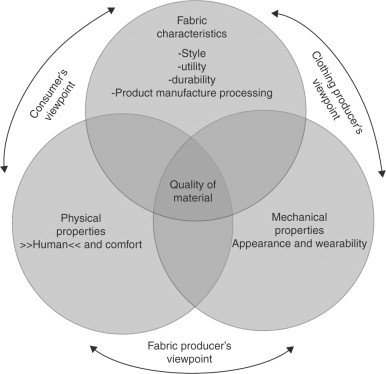
 

The first step to understanding product quality is examining the materials used. Materials influence a product’s durability, performance, and even sustainability.

  • Clothing & Fashion: Look for natural fabrics like organic cotton, hemp, or bamboo, which are soft, breathable, and eco-friendly. Blends with recycled fibers are also strong choices.

  • Furniture: Solid wood, metal, or responsibly sourced materials are more reliable than particle board or cheap composites.

  • Kitchenware: Stainless steel, cast iron, and tempered glass last longer than flimsy plastic alternatives.

  • Electronics: Durable casings, scratch-resistant glass, and solid components reflect thoughtful design.

When evaluating a product, ask: Is this made to endure? Or is it built for short-term use?

2. Craftsmanship and Design – Beyond Aesthetics

While appearance matters, real excellence lies in attention to detail and functional design.

  • Stitching in Clothing: Even, reinforced stitches show better craftsmanship compared to loose or uneven seams.

  • Furniture Joints: Dovetail joints or reinforced screws indicate sturdier construction than glue-only assembly.

  • Product Finishing: Smooth edges, even paint application, and solid fittings are markers of quality.

  • Ergonomic Design: A product that’s comfortable to use or wear reflects thoughtful planning.

Craftsmanship isn’t always visible at first glance, but careful observation often reveals whether a product has been designed with care or rushed through production.

3. Durability Testing – The Longevity Factor

Testing for Longevity: A Visit to Apple's Durability Labs

High-quality products last longer because they undergo rigorous durability tests before being released. While customers may not witness these tests directly, brands often highlight certifications or testing processes.

  • Electronics: Look for drop-test certifications, water resistance ratings (like IP67), and warranty information.

  • Textiles: Fabrics labeled “fade-resistant,” “pre-shrunk,” or “wrinkle-free” are signs of testing.

  • Footwear: Brands that showcase wear-test results usually provide more reliable shoes.

When browsing on goshipkart.com, look out for product descriptions that highlight durability features or test results—they provide valuable insights into quality assurance.

4. Performance and Functionality – Does It Deliver?

A product can look amazing and still fail to perform its intended function. Assessing performance and functionality ensures that it meets expectations.

  • Electronics: Does the device operate smoothly without frequent crashes or lag?

  • Kitchen Appliances: Do they save time, operate quietly, and provide consistent results?

  • Fitness Gear: Does it enhance workouts without showing early signs of wear?

User reviews and product demonstrations often highlight these aspects, making it easier for beginners to spot items that truly deliver on promises.

5. Certifications and Standards – The Seal of Trust

One of the easiest ways to confirm quality is to look for certifications and compliance marks. These indicate that a product has been tested against industry standards.

  • Electronics: UL (Underwriters Laboratories), FCC, or Energy Star certifications show compliance with safety and efficiency standards.

  • Textiles: OEKO-TEX certification ensures fabrics are free from harmful chemicals.

  • Food & Wellness: USDA Organic, Fair Trade, or Non-GMO labels verify ethical and safe production.

  • Children’s Products: ASTM and CPSIA standards ensure safety for toys and baby gear.

At goshipkart.com, certified products are clearly labeled, giving customers confidence in their choices.

6. Customer Reviews – Real-Life Feedback

One of the most reliable sources of insight into product quality is customer feedback. Real-world experiences often reveal strengths and weaknesses that official descriptions may not cover.

When reading reviews, pay attention to:

  • Consistency: Are most customers satisfied, or do complaints repeat?

  • Longevity Reports: Do people mention using the product successfully over time?

  • Common Issues: Frequent mentions of defects may indicate a quality concern.

  • Photos & Videos: These provide authentic glimpses of real-world use.

Reviews act as a bridge between expectation and reality, guiding beginners toward excellence.

7. Brand Reputation – A Reflection of Commitment

A product is only as trustworthy as the brand behind it. Reliable brands consistently deliver quality because their reputation depends on it.

  • Established History: Brands with years of experience often have refined processes.

  • Transparency: Companies that openly share sourcing, testing, and sustainability practices tend to produce better items.

  • Warranty Policies: A solid warranty is a reflection of confidence in product quality.

On goshipkart.com, many featured brands are carefully vetted for their reputation, ensuring customers have access to trusted names.

8. Price vs. Value – Understanding the Balance

Price vs Value in Marketing: Why Value Always Wins the Customer - Adam Insights

While it’s tempting to assume that a higher price means better quality, that’s not always the case. Value lies in the balance between cost, performance, and durability.

  • Low-Cost Pitfalls: Extremely cheap products may compromise on material and build.

  • Premium Considerations: Higher-priced products may reflect marketing costs rather than actual quality.

  • Smart Middle Ground: Products with reasonable pricing, backed by strong reviews and warranties, often deliver the best long-term value.

The key is not to chase the cheapest or the priciest option, but to evaluate the real worth over time.

9. Red Flags of Poor Quality


Just as it’s important to know what to look for, it’s equally useful to recognize warning signs of low-quality products:

  • Vague or missing product descriptions.

  • No mention of certifications or standards.

  • Overly flashy marketing without details.

  • Inconsistent reviews with recurring complaints.

  • Weak warranties or no return options.

Spotting these red flags early saves customers from disappointment and wasted resources.

10. The Role of Sustainability in Product Quality

In today’s world, quality isn’t just about durability—it’s also about environmental impact. Products that last longer and are made from eco-friendly materials support a more sustainable lifestyle.

At goshipkart.com, sustainability and quality go hand in hand. By choosing responsibly made items, customers contribute to reducing waste, conserving resources, and promoting ethical production.

Practical Steps for Beginners

The 7 step method for Practical Problem Solving skills and the 10 most common mistakes to

Here’s a simple checklist to apply when evaluating product quality:

  1. Check the Material: Is it durable and sustainable?

  2. Inspect Craftsmanship: Look for finishing details like stitching, joints, or edges.

  3. Research Certifications: Are there trusted seals or compliance marks?

  4. Read Reviews: Do real users support the claims?

  5. Consider the Brand: Does the company have a reputation for excellence?

  6. Think Long-Term: Will this product still serve its purpose years from now?

By applying these steps consistently, anyone can become confident in identifying and selecting high-quality products.

Conclusion

For beginners, navigating the vast world of products can feel overwhelming. However, by focusing on materials, craftsmanship, durability, certifications, customer reviews, and brand reputation, it becomes easier to separate truly excellent products from those that fall short.

At goshipkart.com, we are committed to making this process simple and transparent. By curating reliable brands, highlighting certifications, and encouraging sustainable choices, our goal is to empower customers to recognize and appreciate real quality.

Understanding product excellence is more than a shopping skill—it’s a life skill. It helps individuals invest wisely, support sustainability, and enjoy lasting value. With knowledge and awareness, every choice can be a step toward a smarter, greener, and more fulfilling lifestyle.


Introduction 

In today’s world, sustainability is more than just a buzzword—it’s a responsibility that businesses and individuals alike must embrace. Climate change, resource depletion, and waste management challenges are pressing concerns that require immediate attention. At goshipkart.com, a USA-based e-commerce platform, sustainability is not just an afterthought but a guiding principle woven into the very fabric of operations.

Our mission goes beyond connecting people with products—it’s about creating a responsible, future-focused marketplace where every choice contributes to a healthier planet. In this article, we share how goshipkart.com is actively supporting sustainability and encouraging green living practices that truly make a difference.

1. Sustainable Packaging Solutions

Packaging waste has long been one of the biggest concerns in e-commerce. Traditional plastic materials take hundreds of years to decompose, and single-use packaging often ends up in landfills or oceans. To counter this, goshipkart.com has adopted eco-friendly packaging materials that are biodegradable, recyclable, or compostable.

  • Recycled Cardboard Boxes: Instead of virgin paper, boxes are made from recycled materials, reducing deforestation.

  • Plant-Based Wraps and Fillers: Cornstarch packing peanuts and paper-based bubble wrap are biodegradable and safe for the environment.

  • Minimal Packaging Policy: Products are packed in the most efficient way possible, minimizing excess material.

This approach not only reduces waste but also lowers the carbon footprint associated with shipping. Customers can rest assured that their orders arrive in packaging that doesn’t harm the planet.

2. Carbon-Neutral Shipping Initiatives

Shipping goods across the country contributes significantly to greenhouse gas emissions. Recognizing this challenge, goshipkart.com has taken meaningful steps toward carbon-neutral shipping.

  • Partnerships with Green Carriers: Collaborations with logistics companies committed to using electric and hybrid delivery vehicles.

  • Carbon Offset Programs: For every shipment, a portion of proceeds goes toward projects that plant trees, support renewable energy, and restore ecosystems.

  • Route Optimization Technology: By analyzing data and streamlining routes, delivery trucks travel fewer miles, consuming less fuel.

These efforts ensure that the environmental impact of logistics is minimized while maintaining efficient and timely deliveries.

3. Encouraging Eco-Friendly Product Choices

Sustainability doesn’t stop at operations—it extends to the products themselves. goshipkart.com highlights and promotes eco-friendly product categories that encourage greener lifestyles.

  • Reusable Alternatives: Stainless steel bottles, bamboo cutlery, cloth grocery bags, and beeswax wraps replace single-use plastics.

  • Energy-Efficient Appliances: A dedicated section showcases appliances that save energy and reduce long-term utility costs.

  • Sustainable Fashion: Organic cotton, hemp, and recycled fabrics make up clothing lines that support slow fashion.

  • Eco-Friendly Home Essentials: Compost bins, solar lights, and toxin-free cleaning supplies are made easily accessible.

By curating and showcasing sustainable options, goshipkart.com empowers customers to align their lifestyle with their values.

4. Partnering with Green Brands

Behind every product is a brand, and the company takes care in selecting partners who share a commitment to sustainability. Each brand featured on goshipkart.com undergoes a review process to ensure their practices align with environmental and ethical standards.

  • Fair-Trade Certified Brands: Supporting artisans and small-scale producers who prioritize fair wages and sustainable production.

  • Cruelty-Free Labels: Partnering with skincare and beauty brands that avoid animal testing.

  • Locally Sourced Products: Encouraging American-made products reduces emissions tied to overseas shipping.

Through these partnerships, goshipkart.com ensures that every product reflects more than just quality—it represents a step toward greener commerce.

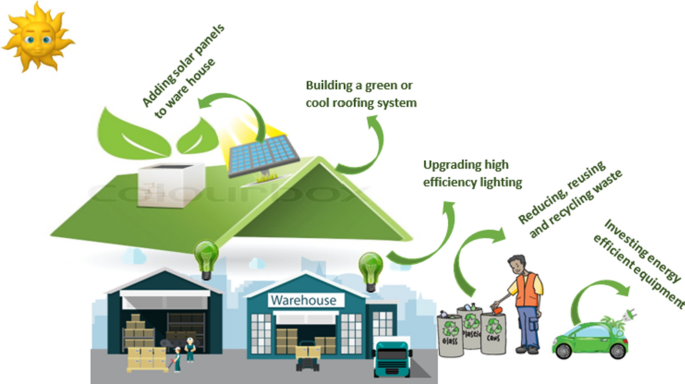
5. Reducing Warehouse Waste and Energy Use


The behind-the-scenes operations of an e-commerce platform have a huge impact on sustainability. goshipkart.com has redesigned warehouse processes to embrace waste reduction and energy efficiency.

  • LED Lighting Systems: Warehouses run on energy-efficient LED lighting, cutting electricity consumption significantly.

  • Solar-Powered Facilities: Several fulfillment centers operate on renewable solar energy.

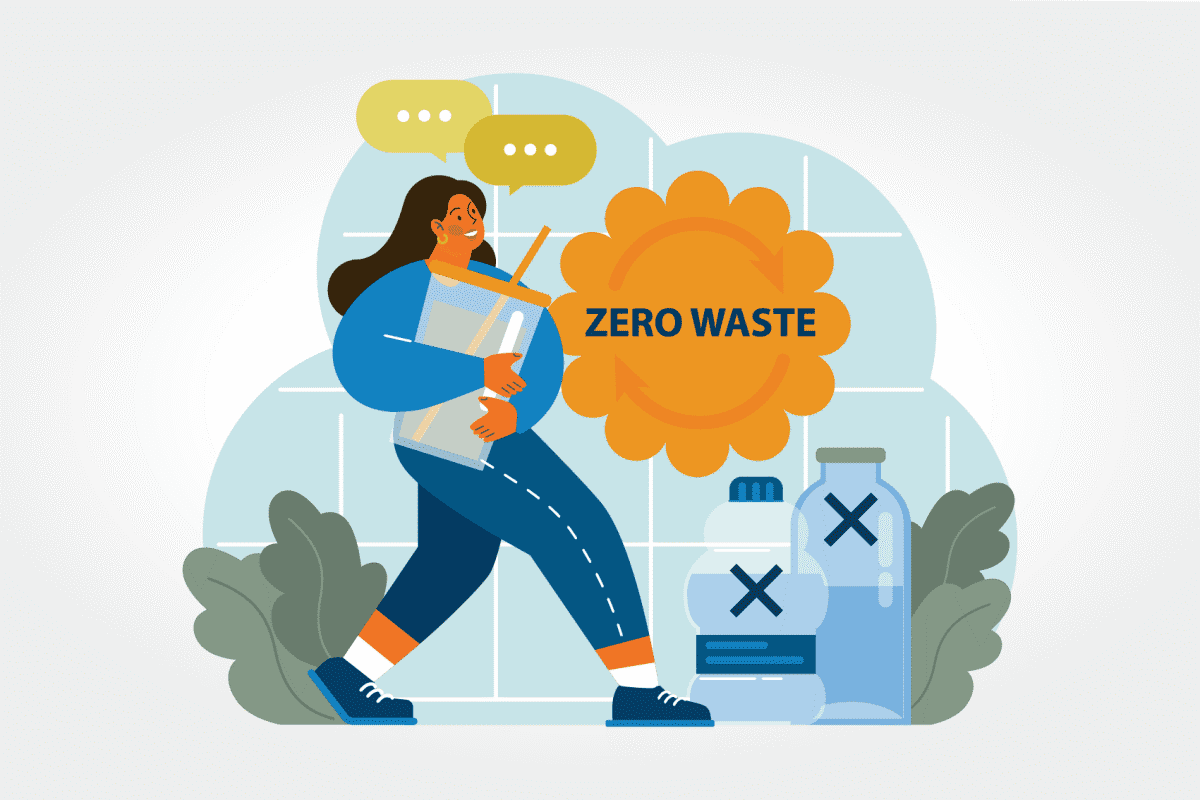
  • Zero-Waste Goals: Recycling programs and composting initiatives divert materials away from landfills.

  • Digital Invoicing: Paper invoices are eliminated where possible, reducing unnecessary paper usage.

These operational changes may not be visible to customers, but they make a tangible difference in minimizing the ecological footprint of the company.

6. Community Engagement and Education

goshipkart.com believes sustainability should extend beyond products and logistics—it should inspire communities. Through education and awareness campaigns, the company encourages eco-conscious living at every level.

  • Green Living Blogs: Regular articles and guides provide tips on reducing waste, composting at home, and embracing minimalism.

  • Workshops and Webinars: Virtual events connect people with experts in renewable energy, sustainable fashion, and zero-waste lifestyles.

  • Social Media Campaigns: Interactive challenges (such as “Plastic-Free Week” or “Energy-Saving Month”) encourage customers to take small but impactful steps.

By engaging communities in this dialogue, goshipkart.com transforms sustainability into a shared journey rather than a solo effort.

7. Incentives for Sustainable Choices


To further motivate eco-friendly habits, goshipkart.com introduces reward programs and initiatives for customers making green choices.

  • Eco-Points System: Customers earn points when selecting eco-friendly products, opting for consolidated deliveries, or recycling packaging.

  • Discounts for Reuse: Return packaging in good condition and receive credits for future orders.

  • Donation Matching: When customers choose to donate points toward environmental causes, the company matches contributions.

These incentive programs reinforce the idea that sustainability is not just about responsibility—it can also be rewarding.

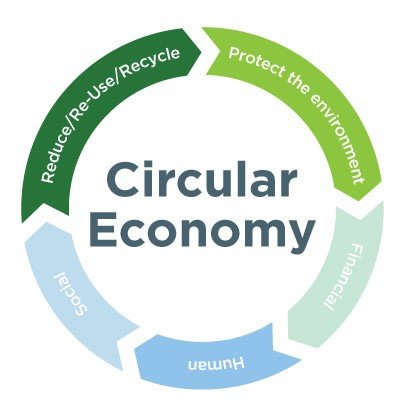
8. Embracing Circular Economy Principles

The concept of a circular economy is central to goshipkart.com’s sustainability vision. Instead of a “take-make-dispose” model, the platform supports reducing, reusing, and recycling wherever possible.

  • Product Take-Back Programs: Certain categories, such as electronics and clothing, have return initiatives where old items are recycled or refurbished.

  • Refurbished Product Listings: Encouraging reuse by offering certified refurbished electronics and appliances.

  • Upcycling Collaborations: Partnering with artisans who repurpose returned or damaged goods into new creations.

This approach ensures resources are maximized while waste is minimized, building a sustainable loop that benefits everyone.


9. Employee-Centric Sustainability Culture

True eco-friendly change starts from within. goshipkart.com fosters a sustainability-first workplace culture where employees are encouraged to contribute to the mission.

  • Green Commutes: Incentives for employees who use carpooling, cycling, or public transport.

  • Eco-Training Sessions: Staff undergo sustainability workshops to understand eco-friendly practices in daily work.

  • Office Initiatives: Plastic-free cafeterias, recycling bins, and indoor plants to promote green workspaces.

This commitment ensures sustainability isn’t just a company policy but a shared value embraced by every team member.


10. Looking Ahead: The Future of Sustainability at goshipkart.com

While significant strides have been made, goshipkart.com continues to explore new ways to deepen its sustainability impact. Future initiatives include:

  • Expanding electric vehicle fleets for last-mile delivery.

  • Introducing more AI-driven route optimization to reduce fuel use.

  • Partnering with global reforestation projects to restore endangered ecosystems.

  • Launching exclusive “green-only” product categories to highlight eco-certified goods.

The journey of sustainability is ongoing, and goshipkart.com is committed to being at the forefront of innovation in this space.


Conclusion

At goshipkart.com, sustainability is not a side initiative—it is an integral part of who we are and how we operate. From eco-friendly packaging and carbon-neutral shipping to supporting green brands and engaging communities, every practice is designed with one goal: making a positive difference for the planet.

In a world where convenience and consumption often overshadow responsibility, goshipkart.com proves that e-commerce can be both efficient and eco-conscious. Through thoughtful choices and dedicated initiatives, we empower our customers to embrace green living—because small actions, when multiplied, create lasting impact.

Together, we can transform shopping into a sustainable journey and pave the way for a healthier, greener future.

Introduction 

At GoShipKart.com, we believe that every product tells a story. Behind every item that makes its way into people’s homes, offices, or travel bags, there exists a thoughtful process of creativity, dedication, and craftsmanship. Our mission has always been to make sure that the products we bring forward are not just functional but also inspiring—offering meaningful connections between lifestyle, design, and quality.

In this article, we invite you to step behind the curtain and explore the journey of some of our most popular products. From the spark of inspiration to the design sketches, from careful material selection to the final touches of craftsmanship—discover what makes these items resonate so deeply with people across the USA.

The Inspiration: Where Ideas Begin

Every successful product begins with a story. At GoShipKart.com, we pay close attention to the everyday challenges, needs, and aspirations of our customers. Inspiration often comes from observing daily life—how people work, travel, rest, or interact with the world around them.

For instance:

  • A sleek backpack in our catalog was inspired by the lives of modern professionals who need to switch seamlessly between office, travel, and casual outings.
  • A sustainable kitchen accessory took shape when our design team noticed a growing demand for eco-friendly alternatives in American households.
  • A fitness gadget was born from conversations with health-conscious individuals looking for accessible ways to track progress without being overwhelmed by technology.

Each of these products started with a clear purpose: to solve a problem or to enhance a lifestyle in a way that blends practicality with beauty.

The Design Journey: Sketches, Models, and Prototypes

Once the inspiration takes root, the design journey begins. Our product design team works with a simple philosophy—every product should reflect three core principles: functionality, durability, and style.

  1. Initial Sketches – Designers draft the first versions of products on paper or digital platforms, exploring different forms and features.
  2. Prototypes – These sketches then evolve into 3D prototypes, allowing us to test how the product will look and feel in real life.
  3. Feedback Rounds – Early prototypes undergo rigorous testing, both within the design team and among selected testers who represent real-world users.

Take our ergonomic home office chair as an example. Early sketches highlighted its adjustable lumbar support, but real-world testing revealed that users wanted more breathable fabric. This led to the inclusion of a mesh-back design, balancing comfort and airflow.

Through such iterations, we ensure that design is not just about aesthetics but also about user comfort and practicality.

Craftsmanship: The Art of Creating


While design sets the direction, craftsmanship is where the heart of the product truly emerges. At GoShipKart.com, we collaborate with skilled artisans, manufacturers, and engineers who specialize in their craft. Each product goes through meticulous steps:

  • Material Selection – High-quality, durable, and often sustainable materials are chosen to ensure longevity. Whether it’s ethically sourced leather for accessories or recycled steel for homeware, we prioritize responsibility in sourcing.
  • Attention to Detail – From stitching on bags to the finishing of wooden surfaces, small details make a big difference. Many of our artisans have decades of experience, and their hands bring life to designs.
  • Quality Testing – Before any product reaches customers, it undergoes multiple rounds of durability, safety, and usability testing.

For example, the handcrafted kitchen knives in our collection are made using premium stainless steel and undergo precision sharpening. Each handle is carved to fit comfortably in hand, ensuring not only performance but also safety.

Stories from Our Most Popular Products

Let’s look at a few categories that have become customer favorites and the unique stories behind them:

1. Eco-Friendly Home Essentials


Our eco-friendly line was born from a vision to reduce everyday plastic waste. Products such as reusable storage bags, bamboo cutlery sets, and biodegradable cleaning solutions came from the need to make sustainability practical. Designers worked with natural materials while ensuring affordability and durability. Today, these items are embraced by eco-conscious families who want to make small but significant changes in their lifestyle.

2. Modern Travel Gear

Travel products—like compact luggage, foldable duffle bags, and anti-theft backpacks—were inspired by the dynamic lives of students, professionals, and explorers. Each item was tested for durability on long journeys and designed to withstand varied conditions. The craftsmanship involved reinforced stitching, water-resistant fabrics, and smart compartments, reflecting a deep understanding of what modern travelers truly need.

3. Smart Lifestyle Gadgets

Technology-driven yet simple, our lifestyle gadgets combine convenience with innovation. A wireless charging pad, for example, was inspired by the clutter people face with cables at home or office desks. The design team worked to create a sleek, minimal design that blends seamlessly into modern interiors. Craftsmanship focused on heat resistance, fast charging capabilities, and safety certifications—ensuring it wasn’t just stylish but reliable.

4. Comfort-Oriented Apparel

From loungewear to activewear, apparel has been one of our most-loved categories. The story behind these products lies in understanding American lifestyles—where comfort, flexibility, and durability matter. Materials such as breathable cotton, stretchable fabric blends, and eco-friendly dyes were carefully chosen. Artisans ensured smooth stitching and flexible designs that support movement without compromising style.

The Role of Sustainability in Craftsmanship

Sustainability is not just a trend—it’s a responsibility. At GoShipKart.com, we integrate eco-conscious practices into every stage of the product journey.

  • Many of our packaging materials are biodegradable or recyclable.
  • We prioritize sustainable textiles, such as organic cotton and bamboo fibers, for apparel and home essentials.
  • Our partnerships include manufacturers who practice fair trade and uphold ethical labor standards.

This approach not only reduces environmental impact but also ensures that our most popular products carry values that resonate with people who care about the planet.

Why These Products Resonate with People

What makes certain products stand out and become favorites? After years of observing patterns, we’ve found three clear reasons:

  1. Meaningful Stories – Products that have a purpose or solve real-life challenges connect deeply with people.
  2. Balance of Utility and Style – Popular items are those that not only work well but also look good in modern homes or lifestyles.
  3. Reliability and Craftsmanship – Products built with care, tested for durability, and backed by thoughtful design inspire trust.

When someone uses one of our top products, they don’t just see an item—they experience the inspiration, design, and craftsmanship that went into it.

Looking Ahead: The Future of Crafting Stories

The journey doesn’t end with one successful product. At GoShipKart.com, we constantly explore emerging trends, new materials, and evolving customer lifestyles to create items that will become future favorites. From integrating smart technology into home essentials to exploring sustainable innovations in apparel, our goal is to keep designing products that matter.

The story behind every product is not just ours—it’s also shaped by the people who use it daily, give feedback, and inspire us to improve. In that sense, our most popular products are living stories, constantly evolving with every household they enter.

Conclusion

The products people love most at GoShipKart.com are more than just items—they are reflections of thoughtful inspiration, careful design, and skilled craftsmanship. Whether it’s a travel backpack that has been tested on countless journeys, an eco-friendly kitchen tool that helps reduce waste, or a sleek gadget that simplifies modern life, each piece has a meaningful story to tell.

When you engage with our products, you’re not just bringing something functional into your life—you’re connecting with the dedication of designers, the artistry of craftsmen, and the vision of a team committed to creating solutions that truly matter.

Introduction 

In today’s fast-moving world, making the right choices for the products you bring into your life can feel overwhelming. With endless options available, finding what truly matches your lifestyle is more than just scrolling through endless pages—it’s about understanding your needs, analyzing features, and identifying solutions that fit seamlessly into your daily routine. At goshipkart.com, we believe in guiding you toward confident decisions so that what you select genuinely enhances your life.

This guide is designed to help you decode your preferences, assess your requirements, and align them with the right products that suit your lifestyle—whether you’re a busy professional, a health-conscious parent, a student, or someone who loves convenience and innovation.

Start with Self-Assessment: What Do You Really Need?

The first step in choosing the right product is asking yourself why you need it. Too often, people select items based on trends, advertisements, or impulse decisions without pausing to reflect on their actual requirements.

Here are a few questions to consider:

  • What problem am I trying to solve?
    Maybe you’re looking for kitchen appliances that save time, fitness gear that motivates you, or tech gadgets that boost productivity.
  • How will this product fit into my daily routine?
    If it’s a home office accessory, think about how often you’ll use it and whether it will simplify your tasks.
  • What’s my priority—quality, convenience, design, or affordability?
    Sometimes, the best choice isn’t the most expensive but the one that balances durability and function.

By narrowing down your “why,” you automatically filter through the noise and focus on options that truly matter.

  1. Match Products with Your Lifestyle Goals

Your lifestyle plays a significant role in determining what fits you best. A product that works wonders for someone else might not serve your needs.

  • For the health-focused individual: Look for products that support well-being—ergonomic furniture, fitness trackers, air purifiers, or organic essentials.
  • For the tech-savvy professional: Devices that streamline tasks—like laptops, wireless earbuds, or smart home assistants—become the perfect match.
  • For families: Practicality often matters most. Durable household products, multifunctional kitchen gadgets, or educational tools for kids make daily life smoother.
  • For students and young adults: Compact, budget-friendly, and versatile items—such as portable chargers, study aids, or multi-use storage solutions—are key to managing limited space and resources.

When you evaluate lifestyle goals, every selection feels more purposeful.

  1. Do Thorough Research Before Deciding


Informed choices are powerful choices. Researching products before making a decision helps avoid disappointments and ensures you’re investing in solutions that align with your lifestyle.

Tips for effective research:

  • Read authentic reviews and ratings from real users. They reveal practical pros and cons that specs may not show.
  • Compare features across different brands. Focus on functionality rather than flashy marketing.
  • Watch video demonstrations to see how the product performs in real situations.
  • Look into the brand’s credibility. Reliable brands often provide better customer service, warranties, and durability.

At goshipkart.com, we encourage customers to use product descriptions, specifications, and comparison tools to their fullest. They’re designed to save you time while guiding you to the right decision.

  1. Quality and Durability Over Short-Term Satisfaction

It’s tempting to choose something based on looks or short-term convenience. However, the real test of a good product is its longevity.

  • Check the materials used. For example, stainless steel appliances last longer than those made with low-quality plastic.
  • Review warranty details. Strong warranty terms often signal the brand’s confidence in durability.
  • Balance cost with value. A slightly higher investment today could save you frequent replacements tomorrow.

Think of it as building a long-term relationship between you and the product. A durable choice not only reduces stress but also promotes sustainable living by cutting down on waste.

  1. Prioritize Features That Truly Matter

Modern products often come with countless features, but not all of them are necessary. The trick is identifying which features align with your lifestyle.

  • For the minimalist: Focus on core functions rather than extra frills.
  • For multitaskers: Multifunctional products—like convertible furniture or 2-in-1 gadgets—can maximize efficiency.
  • For travelers: Lightweight, portable, and compact features should take priority.

Ask yourself: Will I realistically use this feature? If not, it may be better to choose a simpler version that fits your needs perfectly.

  1. Think About Compatibility and Adaptability

Products don’t exist in isolation. They often need to fit into your existing ecosystem.

  • Technology: Ensure your new device integrates well with your current gadgets. For example, wireless headphones should be compatible with your smartphone or laptop.
  • Home appliances: Check the size and energy requirements to ensure they work within your living space.
  • Lifestyle changes: Choose adaptable products. For instance, adjustable office chairs can support posture as your work setup evolves.

By considering compatibility, you avoid frustrations and make sure the product feels like a natural part of your lifestyle.

  1. Consider Sustainability and Ethical Choices

Lifestyle choices today are closely linked with conscious living. Many people now prefer products that not only serve personal needs but also contribute positively to the planet.

  • Eco-friendly materials such as bamboo, recycled plastic, or organic fabrics reduce environmental impact.
  • Energy-efficient appliances save both money and resources in the long run.
  • Ethically made products ensure fair practices in their production.

Choosing sustainable solutions reflects values that align with a mindful lifestyle—something goshipkart.com is proud to support by featuring eco-conscious options.

  1. Test for Comfort and Usability

A product that looks perfect online may not always feel right in reality. Comfort and usability are crucial, especially for items you’ll interact with daily.

  • Clothing and wearables: Comfort should never be compromised for style. Look for breathable fabrics, proper sizing, and versatile designs.
  • Furniture: Ergonomic designs prevent health issues and enhance long-term satisfaction.
  • Tech products: User-friendly interfaces and intuitive controls make a world of difference.

Whenever possible, explore return and exchange policies to ensure you have the flexibility to test usability without stress.

  1. Budget with Value in Mind

Budgeting doesn’t mean choosing the cheapest option—it means balancing affordability with long-term benefits.

  • Set a realistic spending range based on how important the product is to your lifestyle.

  • Compare within that range to identify the best mix of features, quality, and durability.
  • Remember hidden costs, like maintenance or accessories. Sometimes, a product that seems inexpensive initially can become costly in the long run.

When you focus on value instead of just cost, every selection feels like a worthwhile investment.

  1. Personalize Your Selections
Application Occupation Profession Job Seeker Concept

Lifestyle is personal, and so should be your product choices. Don’t just follow trends—choose what resonates with your unique preferences.

  • Colors and styles that match your personality make items feel like an extension of you.
  • Customizable features like adjustable settings, interchangeable parts, or flexible usage allow you to adapt the product to your needs.
  • Emotional connection matters too—sometimes, the product that brings you joy daily is the one that makes the most sense.

Personalization ensures that every choice aligns with your identity and lifestyle, rather than feeling like a compromise.

  1. Learn from Others but Decide for Yourself

While recommendations from friends, family, or influencers can be helpful, remember that no two lifestyles are identical. What works for one person may not suit you at all.

  • Gather insights, not directions.
  • Use expert advice as a guide, not a rule.
  • Trust your instincts, especially if you’ve done your research and know your needs clearly.

Your final choice should always feel right for you, not just validated by others.

  1. Evolve with Time—Adapt Your Choices

Lifestyle isn’t static. As your circumstances change—new job, growing family, health priorities—so will your product needs. Don’t hesitate to reevaluate and adapt.

  • Update your tech tools as work demands shift.
  • Change home essentials when moving into new spaces.
  • Refresh fitness gear as goals evolve.

Products should grow with you, not hold you back. At goshipkart.com, we encourage ongoing exploration so that your selections always reflect your current lifestyle stage.

Conclusion

Choosing the right product for your lifestyle isn’t about chasing the latest trends or filling your space with things you may not need. It’s about clarity, compatibility, and conscious decision-making. When you identify your needs, focus on quality, prioritize meaningful features, and align your selections with your goals and values, every product becomes more than just an object—it becomes a solution that truly enhances your life.

At goshipkart.com, we’re here to empower your journey by offering thoughtful options that help you live smarter, healthier, and happier. With the right approach, your choices can reflect not only your lifestyle but also your personality, values, and aspirations.


Authoritatively administrate long-term high-impact e-business via parallel web services. Synergistically synergize equity invested infrastructures whereas integrated infrastructures. Globally whiteboard customer directed resources after multimedia based metrics. Assertively strategize standardized strategic theme areas vis-a-vis impactful catalysts for change. Details

Authoritatively administrate long-term high-impact e-business via parallel web services. Synergistically synergize equity invested infrastructures whereas integrated infrastructures. Globally whiteboard customer directed resources after multimedia based metrics. Assertively strategize standardized strategic theme areas vis-a-vis impactful catalysts for change. Details

Authoritatively administrate long-term high-impact e-business via parallel web services. Synergistically synergize equity invested infrastructures whereas integrated infrastructures. Globally whiteboard customer directed resources after multimedia based metrics. Assertively strategize standardized strategic theme areas vis-a-vis impactful catalysts for change. Details

Authoritatively administrate long-term high-impact e-business via parallel web services. Synergistically synergize equity invested infrastructures whereas integrated infrastructures. Globally whiteboard customer directed resources after multimedia based metrics. Assertively strategize standardized strategic theme areas vis-a-vis impactful catalysts for change. Details