






Introduction
In the fast-paced digital era, Americans are increasingly reflecting on what it means to live meaningfully. For some, that means owning less, focusing on essentials, and embracing the philosophy of minimalism. For others, joy comes from abundance—surrounding themselves with vibrant colors, bold patterns, and expressive collections in a maximalist lifestyle.
At GoShipKart.com, we believe the choice between minimalism and maximalism is deeply personal. Neither approach is right or wrong; both philosophies offer unique benefits, challenges, and opportunities for self-expression. This article is designed to create awareness about mindful selection—helping you explore which lifestyle approach better aligns with your values, needs, and goals.
1. What Is Minimalism?

Minimalism is more than just a design trend; it’s a way of life. At its core, it means living intentionally by focusing on essentials and eliminating distractions.
Characteristics of Minimalism:
-
Simplicity in Design: Clean lines, neutral colors, and uncluttered spaces.
-
Quality Over Quantity: Prioritizing fewer possessions but investing in durable, high-quality items.
-
Mindful Consumption: Asking, “Do I really need this?” before adding something new.
-
Calm Environments: Spaces that reduce stress and promote focus.
Minimalism resonates with those who crave order, serenity, and freedom from unnecessary possessions.
2. What Is Maximalism?

Maximalism, on the other hand, is the celebration of abundance and expression. It’s about surrounding yourself with things that inspire joy, tell your story, and spark creativity.
Characteristics of Maximalism:
-
Bold Aesthetics: Rich colors, eclectic décor, and layered textures.
-
Personal Expression: Spaces filled with meaningful items, collections, or art pieces.
-
Embracing Variety: Rather than focusing on less, maximalists enjoy “more is more.”
-
Dynamic Energy: Environments that feel lively, energetic, and uniquely personal.
Maximalism appeals to those who view possessions not as clutter but as a tapestry of experiences and self-expression.
3. Minimalism vs. Maximalism: A Cultural Perspective in America
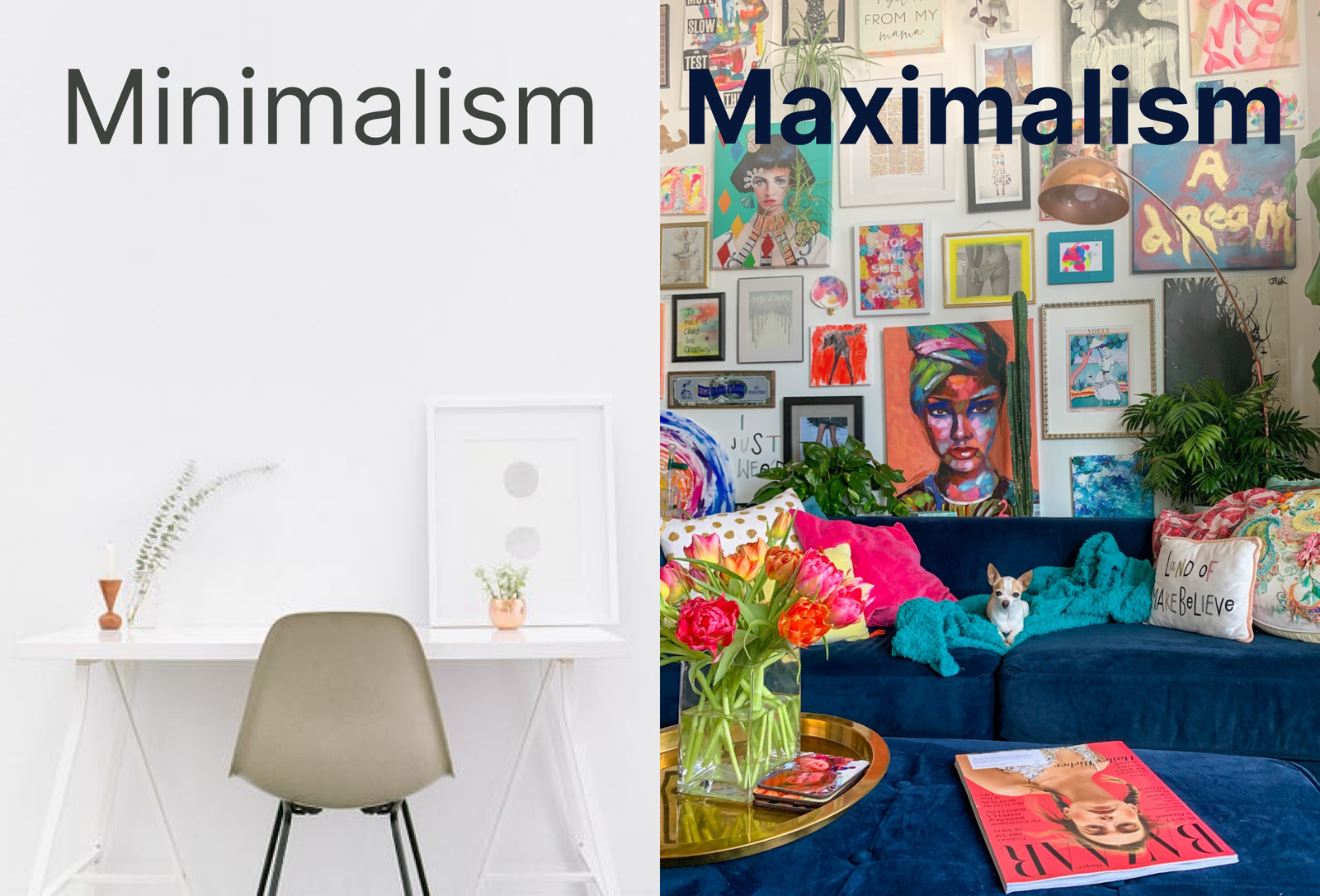
In the USA, both minimalism and maximalism have taken root in different ways.
-
Minimalism: Popularized through movements like decluttering, “tiny homes,” and the rise of eco-conscious living. Many Americans choose minimalism as a way to reduce stress, save money, and align with sustainability.
-
Maximalism: Influenced by art, fashion, and design trends, maximalism thrives in spaces where creativity and personality are prioritized. From bohemian homes to bold fashion choices, maximalism reflects the diversity of American culture.
The coexistence of these philosophies reflects the freedom of choice in American lifestyles.
4. The Psychology Behind Each Lifestyle
Why Minimalism Appeals
-
Reduced Decision Fatigue: Fewer items mean fewer choices, which lowers stress.
-
Focus on Experiences: Instead of accumulating goods, minimalists often value travel, learning, and relationships.
-
Sense of Control: Decluttering gives a feeling of control over one’s environment.
Why Maximalism Appeals
-
Joy in Possessions: Surroundings filled with memories, souvenirs, or art can spark happiness.
-
Creativity Boost: Bold environments can stimulate imagination and energy.
-
Identity Expression: Collections, colors, and variety allow maximalists to showcase individuality.
Understanding your psychological drivers helps in making a mindful choice between these two lifestyles.
5. Minimalism in Practice: Everyday Choices

Adopting minimalism doesn’t necessarily mean living in an empty, white room. It’s about choosing intentionally.
-
Wardrobe: A capsule collection with versatile, timeless pieces.
-
Home Décor: Functional furniture, neutral tones, and uncluttered designs.
-
Technology: Owning only the devices you truly use.
-
Mindset: Saying no to impulse decisions and yes to thoughtful selection.
For minimalists, awareness is about asking: Does this add value to my life?
6. Maximalism in Practice: Everyday Choices
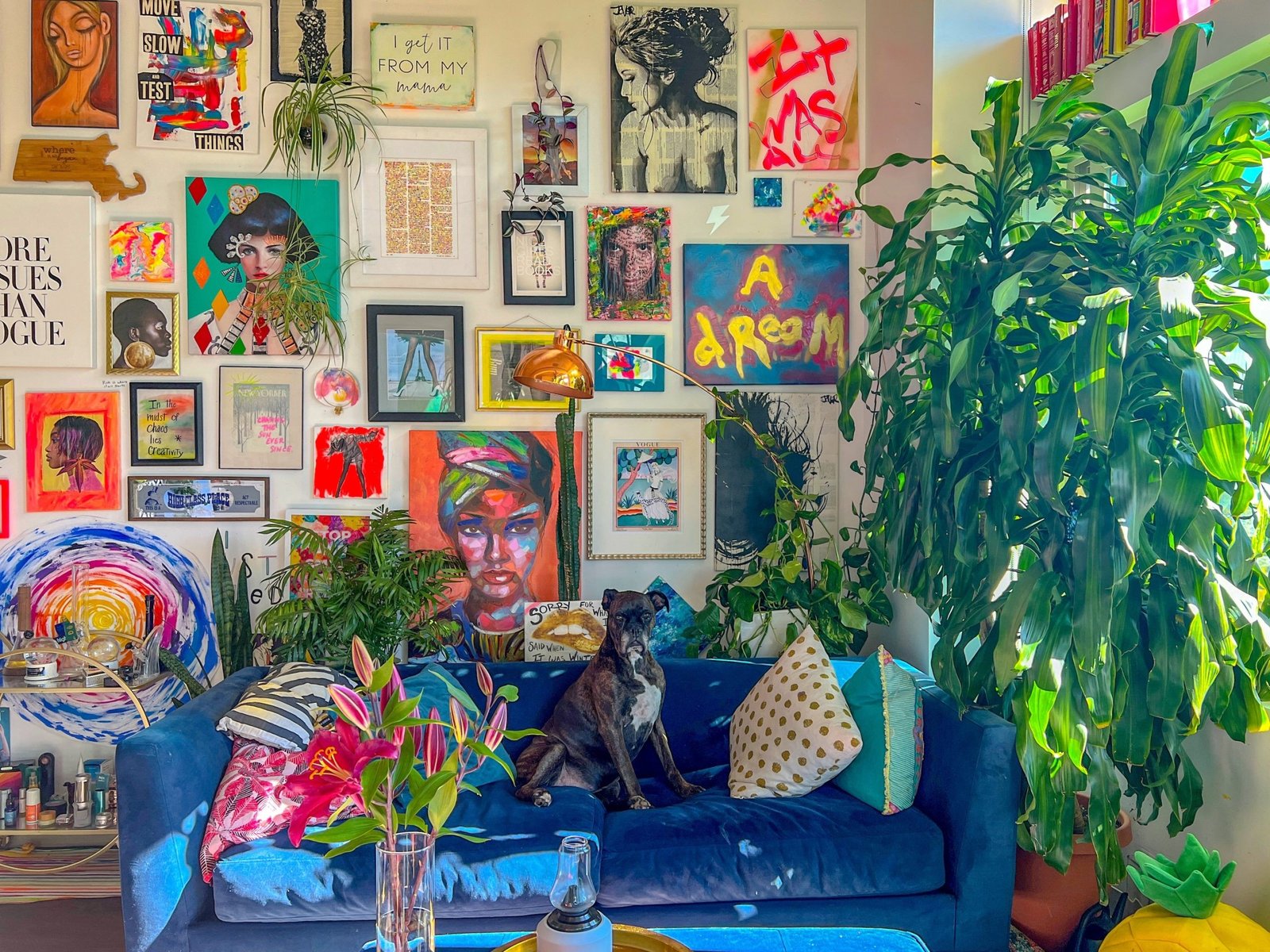
Living maximally doesn’t mean hoarding—it means curating abundance thoughtfully.
-
Wardrobe: Bold fashion pieces, layered accessories, and unique styles.
-
Home Décor: Mixing patterns, displaying collections, and celebrating color.
-
Technology & Lifestyle: Embracing variety—multiple gadgets, books, or hobbies.
-
Mindset: Believing that joy comes from surrounding yourself with what you love.
For maximalists, awareness is about asking: Does this bring me joy or spark creativity?
7. Sustainability and Awareness in Both Approaches
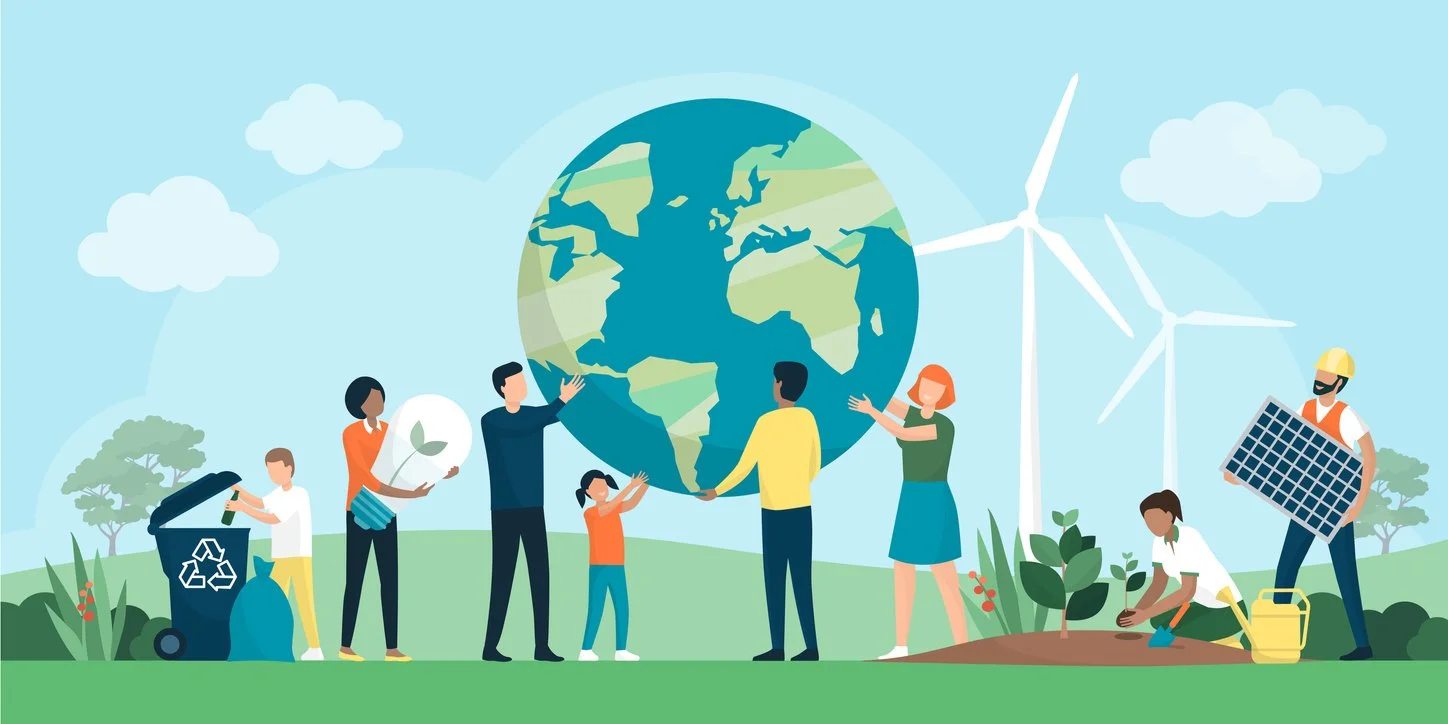
Both minimalism and maximalism can align with eco-conscious living if practiced mindfully.
-
Minimalism & Sustainability: By reducing consumption, minimalists naturally lessen their environmental footprint.
-
Maximalism & Sustainability: Maximalists who choose second-hand items, repurpose old products, or support ethical brands can also live sustainably.
The key is not the number of possessions but the intent behind them.
8. Financial Awareness: Minimalism vs. Maximalism
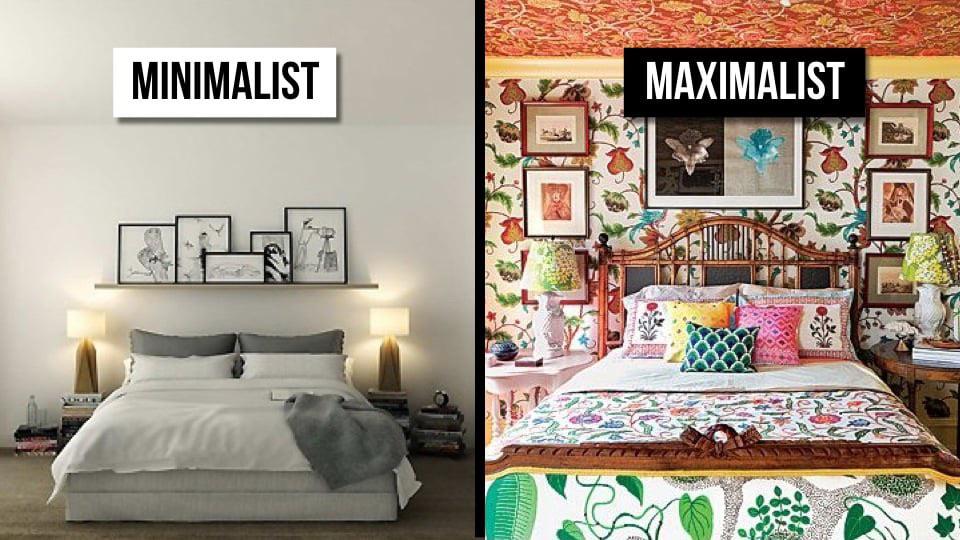
Minimalism and Money
-
Encourages saving by limiting spending on non-essentials.
-
Focuses investments on high-quality, long-lasting goods.
-
Reduces clutter-related expenses like storage or replacements.
Maximalism and Money
-
May lead to higher expenses due to frequent variety-seeking.
-
However, when practiced with awareness, it can focus on meaningful acquisitions instead of impulse buying.
-
Can create long-term value if items are collected or appreciated as art.
Awareness of your financial priorities plays a big role in choosing between the two.
9. Finding Balance: The Rise of “Mindful Consumerism”
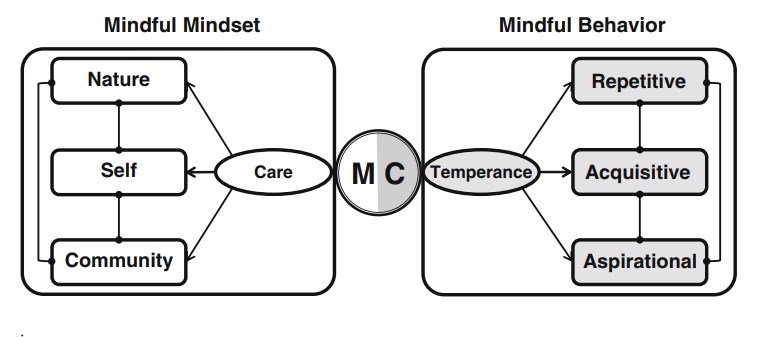
Not everyone fits neatly into minimalism or maximalism. Many Americans are discovering a balanced path:
-
A minimalist approach to certain areas (like digital devices or clothing basics).
-
A maximalist approach to passions (like art, books, or hobbies).
This middle ground is often called mindful consumerism—focusing on why we bring something into our lives, not just whether we live with less or more.
10. How to Decide What Fits Your Lifestyle

If you’re wondering which philosophy aligns with you, ask yourself:
-
What do I value more—calm and order, or energy and expression?
-
Do I feel stressed or inspired when surrounded by many items?
-
Am I trying to save resources, or do I want to celebrate abundance?
-
Which approach brings me closer to my long-term goals—financially, emotionally, and environmentally?
There’s no universal answer—just the one that aligns with your authentic self.
11. Practical Steps to Practice Mindful Selection
Whether you lean toward minimalism or maximalism, mindful selection is the bridge:
-
Pause Before Adding: Reflect on the “why” behind a new possession.
-
Choose Quality: Opt for durable, meaningful, or sustainable items.
-
Create Systems: Minimalists may use decluttering rules, while maximalists can use organization systems to manage abundance.
-
Check Alignment: Ask if your lifestyle choices reflect your values and goals.
Mindfulness ensures that whether you live with less or more, your lifestyle feels intentional.
12. The Future of Minimalism and Maximalism in America
Looking ahead, both philosophies are expected to thrive side by side:
-
Minimalism: Likely to grow as eco-consciousness and digital simplicity trends expand.
-
Maximalism: Expected to remain strong in art, design, and personal expression, fueled by social media culture.
-
Hybrid Models: Many Americans will blend the two, practicing minimalism in some areas and maximalism in others.
Ultimately, the future belongs to mindful consumers who choose not just what they like, but what aligns with their values.
Conclusion
Minimalism and maximalism may seem like opposites, but at their heart, both encourage us to live with intention. Minimalism asks us to focus on essentials and embrace simplicity. Maximalism invites us to celebrate abundance, creativity, and individuality. Neither philosophy is inherently better—it all depends on what feels right for your lifestyle.
At GoShipKart.com, we encourage our community to practice mindful selection—choosing items, habits, and lifestyles that align with personal values while also being aware of the broader impact on society and the environment. Whether you thrive in calm minimal spaces or vibrant maximal ones, the key is to live authentically and consciously