





Introduction
The digital shopping landscape in the United States has evolved dramatically over the last two decades. What once began as a convenient alternative to visiting physical stores has now transformed into a massive ecosystem where technology, consumer behavior, and innovation intersect. From advanced logistics and AI-driven personalization to sustainability and immersive shopping experiences, the future of e-commerce promises to reshape how people interact with products and brands online.
At goshipkart.com, we believe that staying informed about these trends is not just helpful—it’s essential. Awareness empowers shoppers to make confident decisions, adapt to change, and fully enjoy the benefits of the digital economy. This article explores the key trends shaping the future of e-commerce in the USA and how they impact the way people shop online.
1. Personalization at Scale

One of the most significant transformations in e-commerce is the shift toward hyper-personalization. Modern consumers expect more than just a catalog of items—they want tailored experiences that reflect their preferences, habits, and lifestyle.
-
AI-driven recommendations: Platforms increasingly use artificial intelligence to analyze browsing history, previous orders, and even social media activity to suggest relevant products.
-
Custom homepages: Shoppers will soon see curated homepages that look different for each individual, showcasing items aligned with their interests.
-
Dynamic pricing and promotions: Algorithms may adapt offers in real time, ensuring shoppers get deals that fit their budget and buying patterns.
For consumers, this means less time searching and more time discovering products that truly matter to them. At goshipkart.com, personalization is central to enhancing the overall browsing experience.
2. Voice and Conversational Commerce
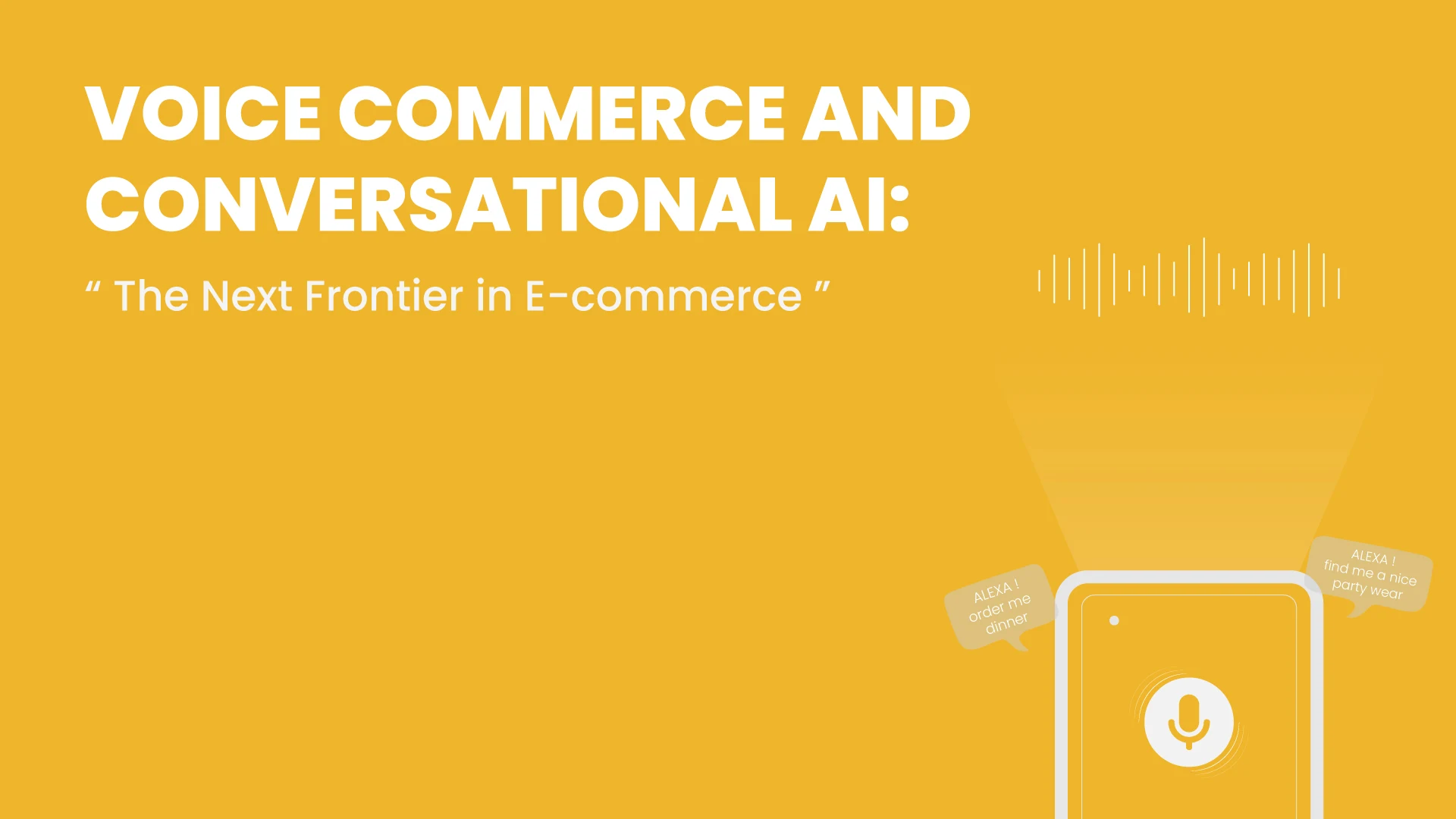
The rise of smart speakers and voice assistants such as Alexa, Siri, and Google Assistant is changing how people shop. Voice commerce allows customers to search for products, compare options, and complete transactions using only voice commands.
-
Convenience factor: Voice removes friction from the shopping journey, especially for repeat orders of household essentials.
-
Accessibility: It opens doors for differently-abled individuals who find voice more intuitive than typing.
-
Integration with smart homes: Imagine asking your fridge to reorder groceries when supplies run low—this is becoming a reality.
As voice recognition technology improves, conversational commerce will play an increasingly important role in everyday shopping.
3. Augmented Reality (AR) and Virtual Reality (VR) Experiences
One of the biggest challenges of online shopping has been the inability to see, touch, or try products before committing. AR and VR are set to solve this problem.
-
Virtual try-ons: Customers can see how clothing fits, visualize furniture in their homes, or preview wall paint colors through AR apps.
-
Immersive VR stores: Virtual reality could replicate the feel of walking through a physical store but from the comfort of home.
-
Product visualization tools: High-definition 3D models allow customers to rotate, zoom, and interact with items before making a decision.
For U.S. consumers, AR and VR will make shopping more engaging, reducing the uncertainty that often comes with online decisions.
4. Sustainability and Ethical Shopping

Awareness around environmental and ethical issues is growing rapidly among American consumers. Future e-commerce platforms will need to address these expectations.
-
Eco-friendly packaging: Reduced plastic, compostable materials, and minimal packaging designs are becoming industry standards.
-
Sustainable product sourcing: More shoppers want transparency about where and how products are made.
-
Carbon-neutral deliveries: Logistics companies are exploring electric vehicles and carbon offset programs to minimize environmental impact.
-
Second-hand and circular commerce: Resale platforms and refurbished goods are gaining popularity, reducing waste and promoting reuse.
At goshipkart.com, we recognize that sustainability is not just a trend—it is a responsibility. By supporting eco-conscious choices, platforms can appeal to socially aware consumers while positively impacting the planet.
5. Same-Day and Instant Delivery

Speed is no longer a luxury—it is an expectation. While 2-day delivery was once considered groundbreaking, the future of U.S. e-commerce points toward same-day or even instant delivery in urban areas.
-
Micro-warehousing: Distribution centers located closer to customers allow quicker fulfillment.
-
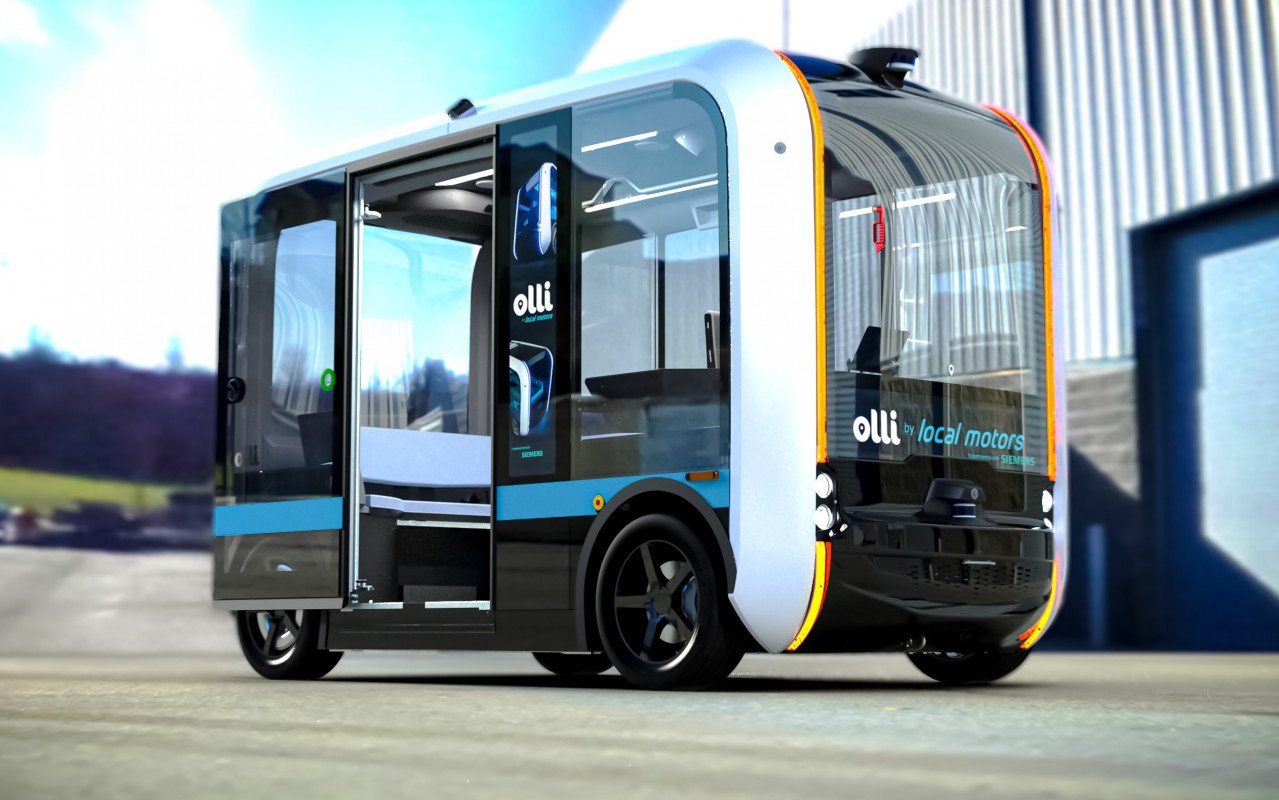
Drone and autonomous deliveries: Companies are experimenting with drones and self-driving vehicles to shorten delivery times.
-
Predictive shipping: Platforms may ship products before they are even ordered, based on predictive analytics of customer behavior.
This evolution means convenience will continue to redefine loyalty. Customers are likely to favor platforms that save them time without compromising reliability.
6. Social Commerce and Community Building

Social media platforms are increasingly blending with e-commerce, giving rise to social commerce. Instead of redirecting users to external websites, purchases can be completed directly within apps like Instagram, TikTok, or Facebook.
-
Shoppable posts and livestreams: Influencers and brands can showcase products in real time, allowing instant engagement.
-
Community-driven recommendations: Peer reviews, unboxing videos, and user-generated content play a bigger role in building trust.
-
Integration with loyalty programs: Exclusive discounts, rewards, and group deals within social networks make shopping more interactive.
The future will see communities—not just transactions—drive e-commerce growth. For goshipkart.com, community engagement is key to building trust and lasting relationships.
7. Artificial Intelligence and Automation

Beyond personalization, AI and automation will transform multiple areas of the e-commerce experience:
-
Chatbots and virtual assistants: These tools will provide 24/7 customer service, answering queries instantly.
-
Inventory management: Automation ensures products are always available, reducing stockouts and delays.
-
Fraud detection: Advanced AI tools can quickly spot suspicious activity and protect shoppers’ data.
-
Smart recommendations: Predictive analytics helps match customers with products they’re likely to love.
By 2030, AI could become the backbone of e-commerce, shaping not just customer interactions but also backend operations.
8. Subscription and Membership Models

Subscriptions are not new, but their role in online shopping is evolving. Beyond entertainment streaming, shoppers are embracing subscriptions for everything from meal kits to personal care items.
-
Predictability: Subscriptions provide convenience by ensuring regular delivery of essentials.
-
Personalization: Many services customize boxes based on user preferences.
-
Value: Membership models often come with perks like free shipping, early access, or exclusive discounts.
As more Americans adopt subscription lifestyles, e-commerce platforms must innovate to keep subscriptions flexible, valuable, and engaging.
9. Mobile-First Shopping

With smartphones becoming the primary device for browsing, mobile-first experiences are a must.
-
Seamless apps: Fast-loading, intuitive apps will dominate over cluttered websites.
-
One-click checkouts: Simplified payment systems reduce friction at checkout.
-
Mobile wallets and digital payments: Apple Pay, Google Wallet, and other solutions enhance convenience and security.
-
5G networks: Faster connectivity means smoother browsing, AR features, and richer media experiences on mobile.
For goshipkart.com, designing mobile-optimized experiences ensures accessibility for all types of customers.
10. The Rise of the Metaverse

While still in its early stages, the metaverse—a virtual, interconnected digital world—could redefine e-commerce in the USA.
-
Virtual marketplaces: Entire shopping malls could exist digitally, offering immersive browsing experiences.
-
Digital goods and NFTs: Beyond physical products, digital assets like skins, collectibles, and NFTs will become part of e-commerce.
-
Hybrid shopping experiences: The line between entertainment, gaming, and shopping may blur as platforms integrate commerce into virtual worlds.
Though experimental today, the metaverse holds vast potential for shaping the future of shopping.
11. Enhanced Security and Privacy

As e-commerce grows, so do concerns about fraud and data misuse. The future will demand robust security frameworks.
-
Biometric authentication: Fingerprints, facial recognition, and voice identification will safeguard transactions.
-
Blockchain solutions: Decentralized systems can improve transparency in transactions and supply chains.
-
Stricter regulations: U.S. data protection laws will likely evolve to better safeguard consumer rights.
Awareness of privacy settings and careful sharing of data will remain critical for safe shopping.
12. Inclusivity and Accessibility

E-commerce in the future must be inclusive. Platforms are making strides to ensure shopping is accessible to everyone, including those with disabilities.
-
Screen-reader compatibility: Websites designed to assist visually impaired users.
-
Voice navigation: Ideal for individuals who struggle with manual inputs.
-
Localized language options: Multilingual platforms will reach diverse U.S. communities.
Creating an inclusive environment ensures that e-commerce is not just convenient but also equitable.
Conclusion: Embracing the Future with Awareness
The future of e-commerce in the USA is dynamic, fast-paced, and filled with possibilities. From AI-powered personalization and voice-driven shopping to sustainable practices and metaverse exploration, every innovation points toward one goal—making online shopping more convenient, immersive, and meaningful.
At goshipkart.com, we believe awareness is the foundation of smarter decisions. By staying informed about emerging trends, shoppers can navigate this evolving landscape with confidence, ensuring their experiences are safe, sustainable, and satisfying.
The future is not just about shopping—it’s about how technology and human needs converge to create seamless, enjoyable, and responsible digital lifestyles.