





Introduction
When exploring products online, you may notice a variety of labels, badges, and certifications attached to them. From “Organic” to “Fair Trade” and “Energy Star” to “FDA Approved,” these tags are more than just visual add-ons—they carry important meaning about safety, quality, sustainability, and ethics.
At goshipkart.com, we believe that awareness is essential for smarter decisions. Understanding what product labels and certifications actually mean can help you choose items that align with your health, values, and lifestyle. Let’s break down the world of product labeling in detail, so you can confidently interpret those symbols the next time you shop online.
1. Why Labels and Certifications Matter
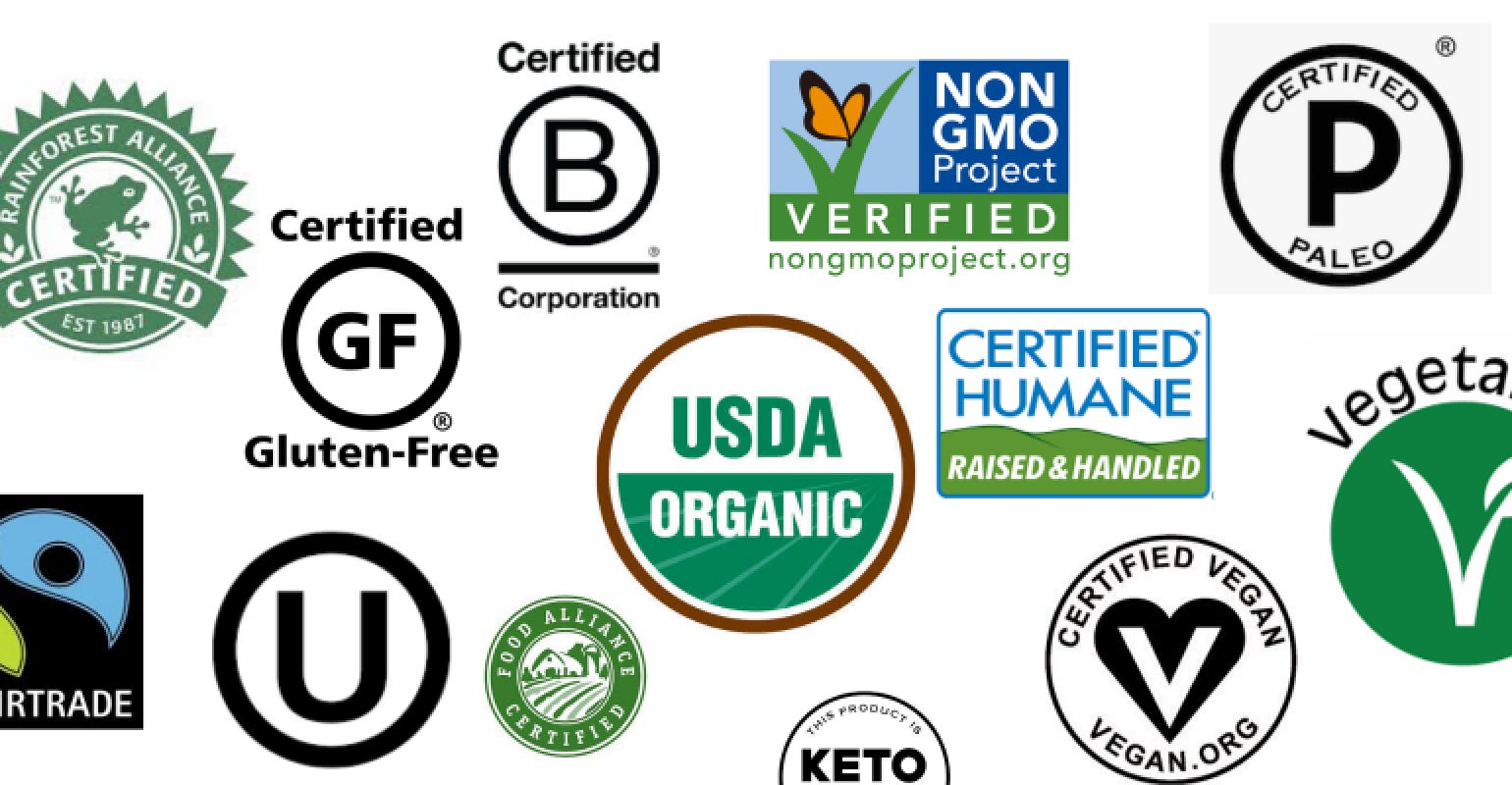
Labels and certifications serve as a bridge of trust between brands, regulators, and consumers. Their importance lies in three key areas:
-
Safety and assurance: Many certifications ensure that products meet strict health or safety standards.
-
Transparency: Labels reveal how a product is made, what it contains, or what it avoids.
-
Values and ethics: Certifications often reflect environmental sustainability, animal welfare, or fair labor practices.
Without clear awareness of these standards, it’s easy to feel overwhelmed or even misled by terms like “natural” or “eco-friendly,” which may not always have regulated definitions.
2. The Most Common Food and Beverage Certifications

Food and beverages are some of the most heavily labeled categories in the U.S. market. Here are the key certifications you’ll likely encounter:
USDA Organic
-
Ensures products are produced without synthetic pesticides, chemical fertilizers, genetically modified organisms (GMOs), or artificial additives.
-
Certification is regulated by the U.S. Department of Agriculture.
-
Variations include “100% Organic,” “Organic” (95% organic ingredients), and “Made with Organic Ingredients” (70% organic).
Non-GMO Project Verified
-
Indicates that the product does not contain genetically modified organisms.
-
Backed by third-party testing to verify compliance.
Fair Trade Certified
-
Focuses on ethical practices in farming and manufacturing.
-
Ensures fair wages, safe working conditions, and community development for producers.
Certified Gluten-Free
-
Guarantees products contain less than 20 parts per million (ppm) of gluten, meeting FDA standards.
-
Particularly important for individuals with celiac disease or gluten sensitivity.
Kosher and Halal
-
Kosher means the food complies with Jewish dietary laws.
-
Halal certifies that food adheres to Islamic dietary practices.
-
Both provide cultural and religious assurance.
USDA Inspected / FDA Approved
-
USDA oversees meat, poultry, and egg products.
-
FDA ensures the safety of most packaged foods, beverages, and supplements.
Understanding these food labels helps consumers align choices with dietary needs, ethical concerns, or health goals.
3. Health and Wellness Product Certifications

The health and wellness industry often highlights certifications to prove safety and effectiveness.
USP Verified (United States Pharmacopeia)
-
Common in vitamins and supplements.
-
Ensures the product contains the listed ingredients in the stated amounts and is free from harmful contaminants.
NSF Certified
-
Found on supplements, water filters, and sports nutrition products.
-
Independent testing verifies safety, quality, and compliance with strict standards.
Leaping Bunny (Cruelty-Free)
-
Indicates the product is not tested on animals at any stage of development.
-
Recognized internationally as one of the strictest cruelty-free standards.
Vegan Certified
-
Ensures products contain no animal ingredients or by-products.
-
Common in cosmetics, supplements, and personal care products.
Hypoallergenic or Dermatologist Tested
-
These terms suggest safety for sensitive skin, but unlike FDA-regulated labels, these claims may vary. Always check for third-party verification.
4. Eco-Friendly and Sustainability Certifications
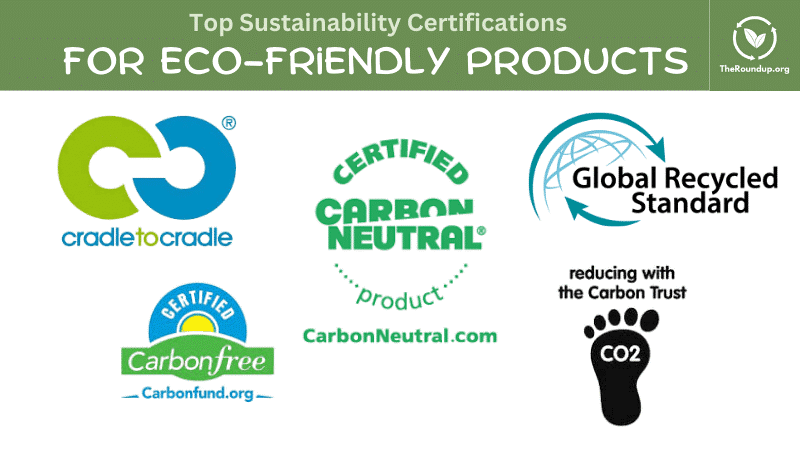
As awareness of environmental issues grows, eco-labels have become increasingly important in the U.S. marketplace.
Energy Star
-
Common on appliances, electronics, and lighting.
-
Indicates energy efficiency that helps save money and reduces environmental impact.
Forest Stewardship Council (FSC Certified)
-
Found on wood, paper, and packaging products.
-
Ensures materials are responsibly sourced from sustainable forests.
Rainforest Alliance Certified
-
Often seen on coffee, tea, bananas, and chocolate.
-
Promotes sustainable agriculture, forest conservation, and fair treatment of workers.
Green Seal
-
Applied to cleaning and household products.
-
Verifies reduced environmental impact, toxicity, and waste.
EPEAT Certified
-
Common for electronics like laptops or monitors.
-
Ensures eco-friendly design, recyclability, and energy efficiency.
These eco-labels allow consumers to make decisions that not only benefit themselves but also support the planet.
5. Apparel and Fashion Certifications

Fashion is another industry where certifications help ensure ethical and sustainable practices.
OEKO-TEX Standard 100
-
Tests textiles for harmful substances.
-
A globally recognized standard ensuring fabrics are safe for human skin.
Global Organic Textile Standard (GOTS)
-
Applies to organic fibers in clothing, bedding, and home textiles.
-
Covers everything from harvesting raw materials to socially responsible manufacturing.
Fair Trade Apparel
-
Ensures ethical production practices in clothing and accessories.
-
Focuses on fair wages, safe workplaces, and sustainability.
PETA-Approved Vegan
-
Confirms clothing and accessories are made without animal-derived materials such as leather, wool, or silk.
6. Electronics and Technology Certifications

Technology products also come with important certifications that indicate safety, efficiency, and reliability.
UL Listed
-
Shows that an electronic product has been tested for safety by Underwriters Laboratories.
-
Common for chargers, cables, and household electronics.
FCC Certification
-
Required for devices that emit radiofrequency energy (like phones, Wi-Fi routers).
-
Ensures compliance with U.S. communication and safety regulations.
RoHS Compliant
-
Indicates restriction of hazardous substances in electronics.
-
Reduces toxic materials like lead or mercury in devices.
Energy Star (Electronics)
-
Indicates lower energy consumption for items like computers, refrigerators, or TVs.
7. Common Misleading or Unregulated Labels

Not all labels carry the same weight. Some terms can be vague or unregulated.
-
“All-Natural”: Unlike “organic,” this term has no strict regulatory definition and can be misleading.
-
“Chemical-Free”: Every product is made of chemicals—what matters is whether they are safe.
-
“Eco-Friendly” without certification: Unless supported by a third-party certification, the claim may not mean much.
-
“Clinically Proven”: The type of testing and its credibility may vary.
Awareness of these weak or unregulated labels prevents confusion and helps consumers focus on meaningful certifications.8. How to Verify Product Certifications
With so many tags and badges out there, how can you ensure they are genuine?
-
Check the official website of the certifying organization for a database of certified products.
-
Look for certification numbers often listed on packaging or labels.
-
Research the certifier: Legitimate certifications come from recognized third-party organizations, not just brand-created logos.
-
Use mobile apps designed to scan product barcodes and confirm authenticity.
9. Why Awareness Matters More Than Ever
Consumers in the USA are increasingly aligning their choices with personal values—whether it’s health, sustainability, or ethics. Understanding certifications means:
-
You can avoid greenwashing—misleading claims about sustainability.
-
You make decisions that support ethical labor and fair trade.
-
You protect your family by choosing safer, healthier products.
-
You contribute to global sustainability by supporting certified eco-friendly practices.
Awareness transforms product labels from confusing tags into powerful tools for informed decision-making.
10. How goshipkart.com Supports Awareness
At goshipkart.com, we are committed to guiding our community toward clarity and confidence in the digital marketplace. Here’s how we support you:
-
Transparent product details: Certifications and labels are highlighted with explanations.
-
Educational resources: Articles and guides like this help decode certifications.
-
Curated selections: Focus on products that meet trusted standards for quality, safety, and sustainability.
-
Ethical partnerships: We work with brands that prioritize authenticity and responsibility.
Our goal is to ensure that every shopper understands not just what a product is, but also what its labels and certifications truly represent.
Final Thoughts
Product labels and certifications are more than decorative badges—they are essential signals of quality, safety, ethics, and sustainability. In a world where online choices can feel overwhelming, awareness is your strongest tool. From USDA Organic and Energy Star to Fair Trade and OEKO-TEX, each certification carries meaning that impacts your health, your values, and even the planet.
By learning to interpret these symbols, you take control of your shopping journey and ensure that your choices align with what matters most to you. At goshipkart.com, we believe that awareness leads to smarter, more responsible shopping—and together, we can build a future where transparency and trust shape the world of e-commerce