





Introduction
n the fast-moving world of e-commerce, the variety of products available can be overwhelming. From home essentials to lifestyle goods, fashion, and technology, there are countless options to choose from. However, not all products are created equal. While some are designed with durability, safety, and craftsmanship in mind, others may fall short, leaving customers with disappointing experiences.
At goshipkart.com, a USA-based e-commerce platform, we believe that understanding product quality is key to making smart and satisfying choices. Quality isn’t only about aesthetics or price—it reflects a product’s performance, longevity, and ability to meet the needs of everyday life. This guide is designed for beginners who want to learn how to identify excellence, understand what makes a product truly valuable, and make informed decisions that support both convenience and sustainability.
Why Product Quality Matters
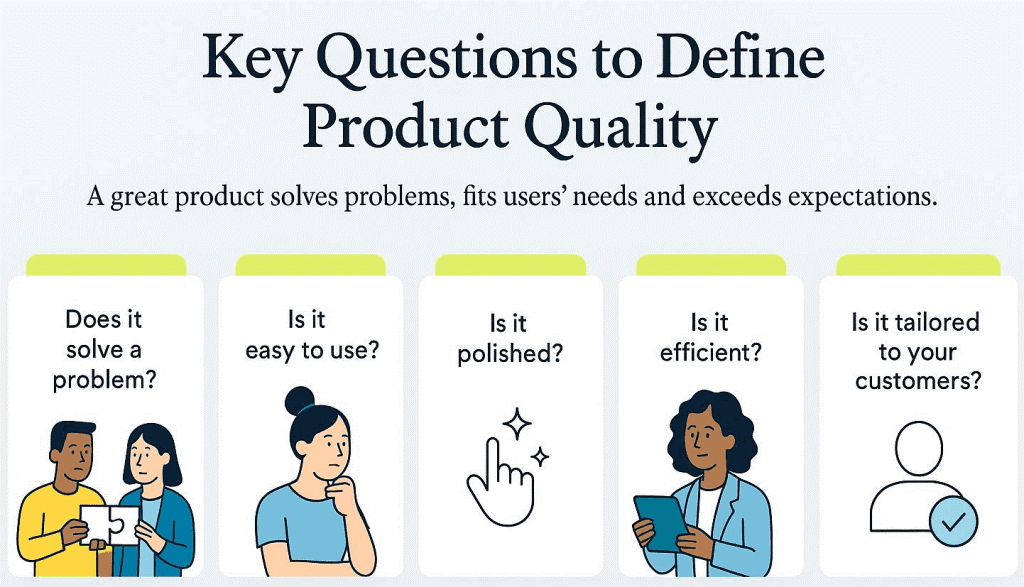
Product quality impacts more than just the way an item looks—it influences its usability, durability, and overall value. A high-quality product often:
-
Performs reliably: It does what it’s designed to do without frequent issues.
-
Lasts longer: Built with stronger materials, it withstands daily wear and tear.
-
Supports sustainability: Durable items reduce the need for replacements, cutting down on waste.
-
Provides better value: While the upfront cost might be higher, the long-term savings outweigh frequent replacements.
-
Ensures safety: Superior products comply with safety standards, protecting users from potential hazards.
By paying attention to these aspects, customers ensure their choices are both smart and impactful.
1. Material Matters – The Foundation of Quality
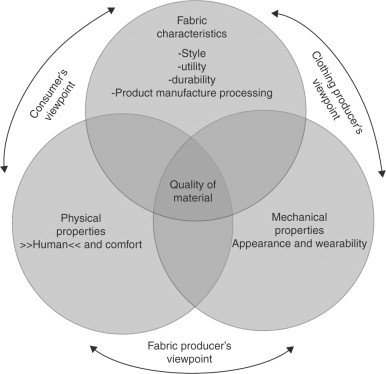
The first step to understanding product quality is examining the materials used. Materials influence a product’s durability, performance, and even sustainability.
-
Clothing & Fashion: Look for natural fabrics like organic cotton, hemp, or bamboo, which are soft, breathable, and eco-friendly. Blends with recycled fibers are also strong choices.
-
Furniture: Solid wood, metal, or responsibly sourced materials are more reliable than particle board or cheap composites.
-
Kitchenware: Stainless steel, cast iron, and tempered glass last longer than flimsy plastic alternatives.
-
Electronics: Durable casings, scratch-resistant glass, and solid components reflect thoughtful design.
When evaluating a product, ask: Is this made to endure? Or is it built for short-term use?
2. Craftsmanship and Design – Beyond Aesthetics

While appearance matters, real excellence lies in attention to detail and functional design.
-
Stitching in Clothing: Even, reinforced stitches show better craftsmanship compared to loose or uneven seams.
-
Furniture Joints: Dovetail joints or reinforced screws indicate sturdier construction than glue-only assembly.
-
Product Finishing: Smooth edges, even paint application, and solid fittings are markers of quality.
-
Ergonomic Design: A product that’s comfortable to use or wear reflects thoughtful planning.
Craftsmanship isn’t always visible at first glance, but careful observation often reveals whether a product has been designed with care or rushed through production.
3. Durability Testing – The Longevity Factor

High-quality products last longer because they undergo rigorous durability tests before being released. While customers may not witness these tests directly, brands often highlight certifications or testing processes.
-
Electronics: Look for drop-test certifications, water resistance ratings (like IP67), and warranty information.
-
Textiles: Fabrics labeled “fade-resistant,” “pre-shrunk,” or “wrinkle-free” are signs of testing.
-
Footwear: Brands that showcase wear-test results usually provide more reliable shoes.
When browsing on goshipkart.com, look out for product descriptions that highlight durability features or test results—they provide valuable insights into quality assurance.
4. Performance and Functionality – Does It Deliver?

A product can look amazing and still fail to perform its intended function. Assessing performance and functionality ensures that it meets expectations.
-
Electronics: Does the device operate smoothly without frequent crashes or lag?
-
Kitchen Appliances: Do they save time, operate quietly, and provide consistent results?
-
Fitness Gear: Does it enhance workouts without showing early signs of wear?
User reviews and product demonstrations often highlight these aspects, making it easier for beginners to spot items that truly deliver on promises.
5. Certifications and Standards – The Seal of Trust

One of the easiest ways to confirm quality is to look for certifications and compliance marks. These indicate that a product has been tested against industry standards.
-
Electronics: UL (Underwriters Laboratories), FCC, or Energy Star certifications show compliance with safety and efficiency standards.
-
Textiles: OEKO-TEX certification ensures fabrics are free from harmful chemicals.
-
Food & Wellness: USDA Organic, Fair Trade, or Non-GMO labels verify ethical and safe production.
-
Children’s Products: ASTM and CPSIA standards ensure safety for toys and baby gear.
At goshipkart.com, certified products are clearly labeled, giving customers confidence in their choices.
6. Customer Reviews – Real-Life Feedback

One of the most reliable sources of insight into product quality is customer feedback. Real-world experiences often reveal strengths and weaknesses that official descriptions may not cover.
When reading reviews, pay attention to:
-
Consistency: Are most customers satisfied, or do complaints repeat?
-
Longevity Reports: Do people mention using the product successfully over time?
-
Common Issues: Frequent mentions of defects may indicate a quality concern.
-
Photos & Videos: These provide authentic glimpses of real-world use.
Reviews act as a bridge between expectation and reality, guiding beginners toward excellence.
7. Brand Reputation – A Reflection of Commitment
A product is only as trustworthy as the brand behind it. Reliable brands consistently deliver quality because their reputation depends on it.
-
Established History: Brands with years of experience often have refined processes.
-
Transparency: Companies that openly share sourcing, testing, and sustainability practices tend to produce better items.
-
Warranty Policies: A solid warranty is a reflection of confidence in product quality.
On goshipkart.com, many featured brands are carefully vetted for their reputation, ensuring customers have access to trusted names.
8. Price vs. Value – Understanding the Balance

While it’s tempting to assume that a higher price means better quality, that’s not always the case. Value lies in the balance between cost, performance, and durability.
-
Low-Cost Pitfalls: Extremely cheap products may compromise on material and build.
-
Premium Considerations: Higher-priced products may reflect marketing costs rather than actual quality.
-
Smart Middle Ground: Products with reasonable pricing, backed by strong reviews and warranties, often deliver the best long-term value.
The key is not to chase the cheapest or the priciest option, but to evaluate the real worth over time.
9. Red Flags of Poor Quality
Just as it’s important to know what to look for, it’s equally useful to recognize warning signs of low-quality products:
-
Vague or missing product descriptions.
-
No mention of certifications or standards.
-
Overly flashy marketing without details.
-
Inconsistent reviews with recurring complaints.
-
Weak warranties or no return options.
Spotting these red flags early saves customers from disappointment and wasted resources.
10. The Role of Sustainability in Product Quality
In today’s world, quality isn’t just about durability—it’s also about environmental impact. Products that last longer and are made from eco-friendly materials support a more sustainable lifestyle.
At goshipkart.com, sustainability and quality go hand in hand. By choosing responsibly made items, customers contribute to reducing waste, conserving resources, and promoting ethical production.
Practical Steps for Beginners

Here’s a simple checklist to apply when evaluating product quality:
-
Check the Material: Is it durable and sustainable?
-
Inspect Craftsmanship: Look for finishing details like stitching, joints, or edges.
-
Research Certifications: Are there trusted seals or compliance marks?
-
Read Reviews: Do real users support the claims?
-
Consider the Brand: Does the company have a reputation for excellence?
-
Think Long-Term: Will this product still serve its purpose years from now?
By applying these steps consistently, anyone can become confident in identifying and selecting high-quality products.
Conclusion
For beginners, navigating the vast world of products can feel overwhelming. However, by focusing on materials, craftsmanship, durability, certifications, customer reviews, and brand reputation, it becomes easier to separate truly excellent products from those that fall short.
At goshipkart.com, we are committed to making this process simple and transparent. By curating reliable brands, highlighting certifications, and encouraging sustainable choices, our goal is to empower customers to recognize and appreciate real quality.
Understanding product excellence is more than a shopping skill—it’s a life skill. It helps individuals invest wisely, support sustainability, and enjoy lasting value. With knowledge and awareness, every choice can be a step toward a smarter, greener, and more fulfilling lifestyle.