


Introduction
In today’s fast-paced world of consumer goods, people often move quickly from one product to another without giving much thought to long-term use. However, extending the life of your products not only saves money but also reduces waste, helps the environment, and ensures you enjoy the true value of what you already own. Whether it’s clothing, electronics, furniture, home appliances, or accessories, most items last much longer when properly cared for.
At our USA-based e-commerce platform, we believe in encouraging conscious living through awareness and practical guidance. Taking care of your belongings is not just about preserving their appearance—it’s also about maintaining their performance, durability, and sustainability. Below, we share a comprehensive guide packed with useful tips to help you maximize the lifespan of the products you already have.
1. The Importance of Product Longevity
Before diving into specific care tips, let’s consider why product longevity matters:
-
Environmental Impact: The longer products last, the fewer replacements are needed, which reduces demand for new manufacturing and lowers waste.
-
Financial Savings: Stretching the life of your belongings helps you get maximum value without repeated spending.
-
Emotional Connection: Many products—like a favorite jacket, a reliable blender, or a family heirloom—carry memories and sentimental worth. Caring for them ensures those memories stay intact.
-
Sustainability in Practice: Awareness around product maintenance supports a lifestyle that’s mindful and eco-conscious.
With that in mind, let’s break down maintenance and care tips across different categories of products.
2. Clothing and Accessories

a. Proper Washing and Drying
-
Read and follow the care label instructions. Machine-washable does not always mean “any cycle works.”
-
Wash clothes in cold water when possible—it’s gentler on fabrics and colors.
-
Avoid overloading the washing machine; overcrowding can damage fibers.
-
Line-dry when possible. Excessive heat from dryers weakens fabrics and elastic.
b. Storage Matters
-
Store shoes with inserts or stuffings to maintain shape.
-
Use padded hangers for delicate tops and dresses to prevent stretching.
-
Keep leather items in breathable cloth bags, away from direct sunlight and moisture.
c. Regular Care Routines
-
De-pill sweaters using a fabric shaver.
-
Waterproof leather and suede accessories with protective sprays.
-
Repair small damages like loose buttons or tiny tears immediately before they worsen.
3. Electronics
Electronics often lose performance not because they are outdated, but because they are not maintained properly.
a. Cleaning Practices
-
Wipe screens with microfiber cloths to prevent scratches.
-
Keep dust out of vents, fans, and ports with compressed air.
-
Avoid moisture near electronic devices—clean with minimal dampness.
b. Battery Care
-
Don’t leave devices charging overnight constantly.
-
Allow rechargeable batteries to drain partially before recharging.
-
Keep devices out of extreme heat or cold, which degrades battery performance.
c. Software and Updates
-
Regularly update software and security patches to maintain efficiency.
-
Delete unused files and apps to free memory and reduce system strain.
-
Use protective cases and screen guards to minimize accidental damage.
4. Kitchenware and Appliances
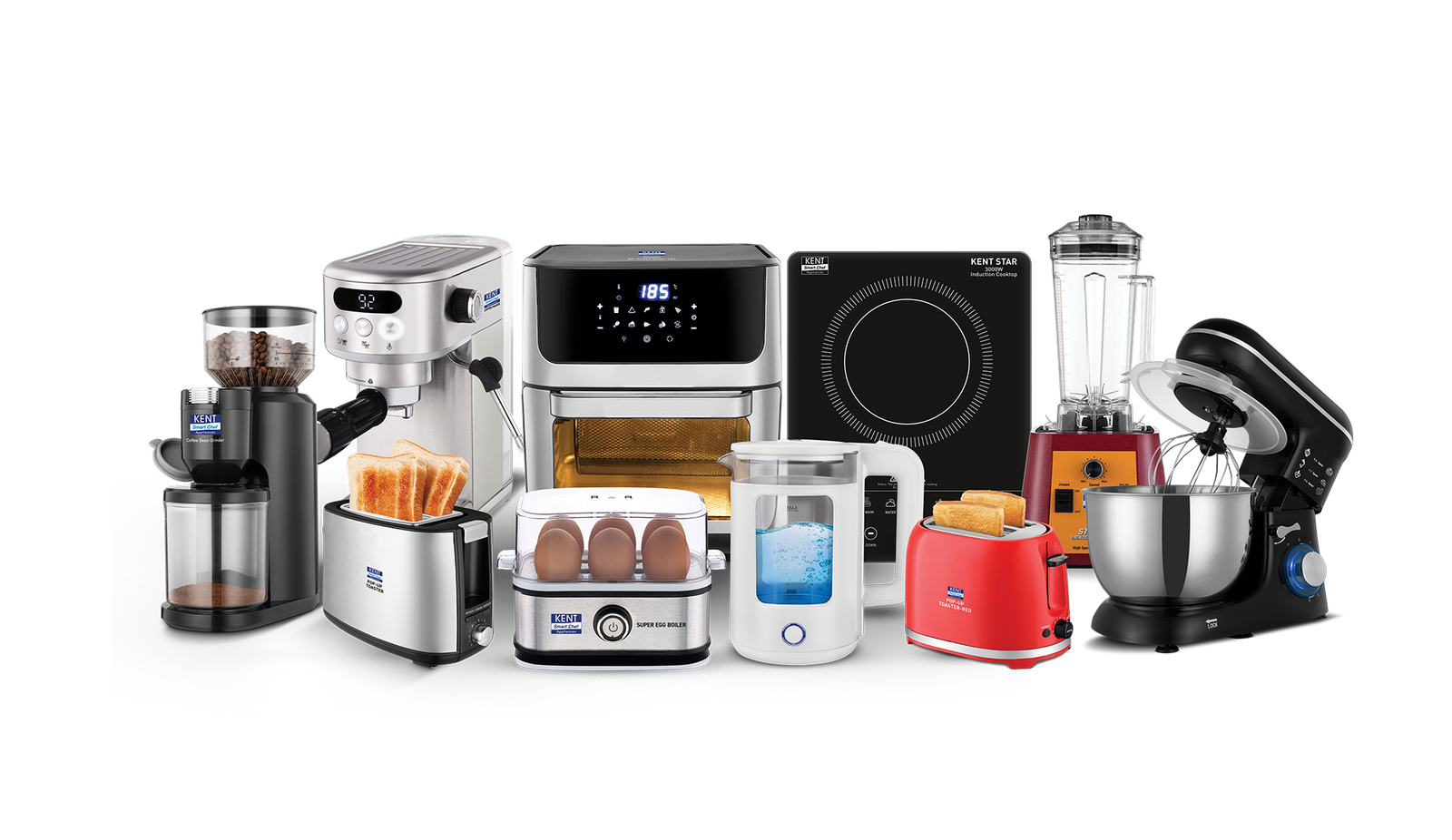
Your kitchen is filled with products that can last for decades if maintained well.
a. Cookware
-
Season cast iron pans to prevent rust and improve performance.
-
Avoid using metal utensils on non-stick cookware—opt for silicone or wooden ones.
-
Hand wash knives and dry immediately to maintain sharpness and prevent corrosion.
b. Small Appliances
-
Unplug appliances when not in use to save energy and prevent wear.
-
Clean filters regularly (blenders, coffee machines, and air fryers often have them).
-
Don’t overload appliances like mixers or grinders beyond their capacity.
c. Large Appliances
-
Keep refrigerator coils clean to improve efficiency.
-
Run washing machines on a self-clean cycle monthly.
-
Check seals on ovens, refrigerators, and dishwashers to maintain energy efficiency.
5. Furniture
Furniture is an investment, and with care, it can last generations.
a. Wood Furniture
-
Dust regularly with a soft cloth to prevent buildup.
-
Use coasters and mats to protect against water rings and scratches.
-
Polish wood surfaces with natural oils occasionally to maintain luster.
b. Upholstered Furniture
-
Vacuum upholstery weekly to remove dirt and dust that degrade fabric.
-
Rotate and flip cushions for even wear.
-
Address spills immediately to prevent stains from setting.
c. Outdoor Furniture
-
Cover furniture when not in use, especially in harsh weather.
-
Use rust-protective sprays on metal surfaces.
-
Clean wicker or rattan pieces with mild soap and water to prevent brittleness.
6. Footwear
Shoes, boots, and sandals take a lot of wear and tear but can be preserved with care.
a. Cleaning and Polishing
-
Wipe shoes after each wear to remove dust and dirt.
-
Polish leather shoes regularly to maintain shine and flexibility.
-
Use special cleaners for suede to maintain texture.
b. Storage and Maintenance
-
Use shoe trees for leather shoes to maintain shape and absorb moisture.
-
Allow shoes to rest between wears; don’t wear the same pair daily.
-
Replace soles or heels before they are fully worn down.
7. Jewelry and Watches
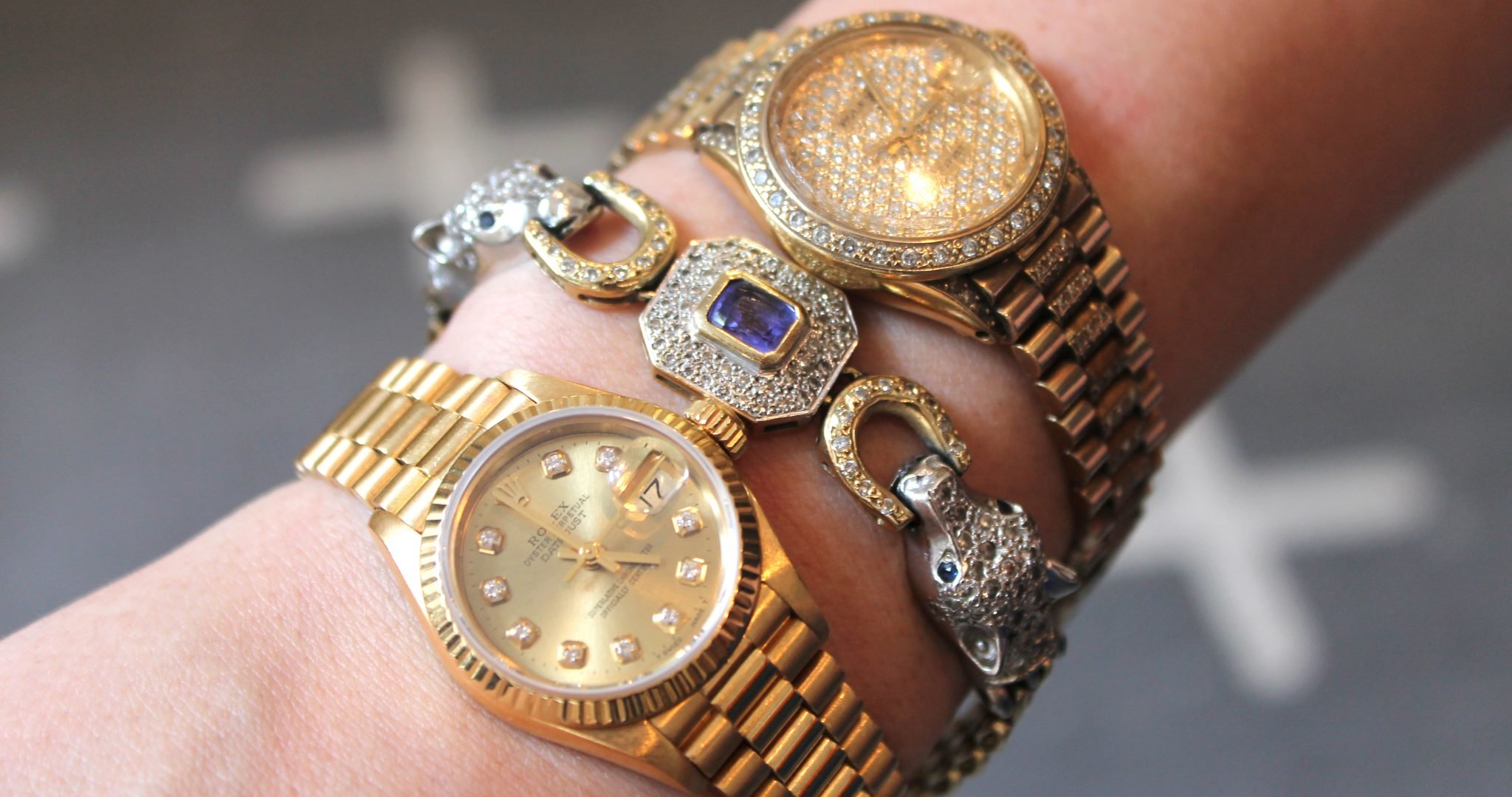
These items often have both financial and sentimental value, making maintenance especially important.
a. Jewelry Care
-
Store jewelry separately to avoid scratches.
-
Clean with mild soap and water; avoid harsh chemicals.
-
Keep away from perfumes, lotions, and hairsprays that can tarnish metals.
b. Watches
-
Service mechanical watches every few years for accuracy.
-
Avoid exposing watches to magnets, which can affect timekeeping.
-
Replace straps and batteries on time to prevent leaks and damage.
8. General Tips for All Products
-
Handle with Care: Be mindful when using any product—rough handling accelerates wear.
-
Follow Manufacturer Guidelines: Instructions exist for a reason; following them preserves longevity.
-
Schedule Maintenance: Just as vehicles require servicing, many products benefit from regular checks.
-
Repair Instead of Replacing: Consider repair shops or DIY fixes before discarding.
-
Declutter and Rotate Use: Too many items mean some are neglected and deteriorate. Rotating use ensures even wear.
9. The Role of Mindful Ownership
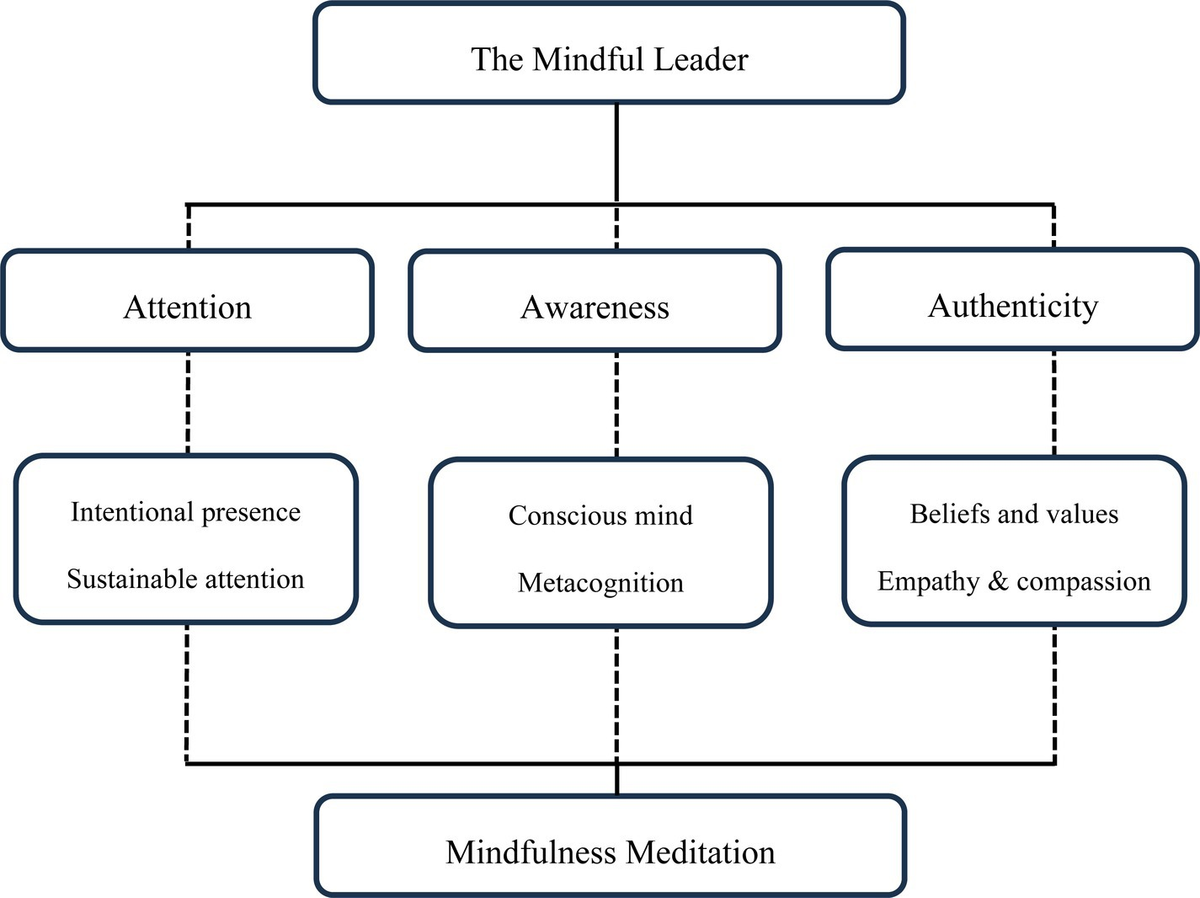
Extending the life of products goes beyond cleaning and maintenance—it’s about changing the mindset of ownership. A mindful owner values what they have and sees care as part of the enjoyment of using products. This mindset contributes to:
-
A slower consumption cycle, reducing unnecessary accumulation.
-
An eco-friendly lifestyle, as fewer items end up in landfills.
-
A culture of respect for craftsmanship and design, acknowledging the effort behind each product.
10. Sustainability and the Bigger Picture

When consumers extend the life of their belongings, the ripple effect is powerful:
-
Reduced Carbon Footprint: Fewer replacements mean less manufacturing demand and reduced emissions.
-
Support for Quality Over Quantity: It shifts focus to well-made, long-lasting products.
-
Inspiration for Communities: Awareness spreads—friends, family, and communities adopt similar practices.
Conclusion
Extending the life of your products is not about limiting yourself—it’s about maximizing value, honoring craftsmanship, and making sustainable choices. From clothes and electronics to furniture and kitchenware, a little maintenance goes a long way in ensuring durability.
At our USA-based e-commerce platform, we believe that awareness empowers customers not just to enjoy their products but also to make informed choices that benefit both their lifestyle and the planet. By applying the simple, practical tips shared above, you can build a culture of mindful ownership—one that respects products, reduces waste, and supports a more sustainable future.
Caring for your belongings is not a chore; it’s an investment in longevity, sustainability, and conscious living