





Introduction
In today’s fast-paced digital economy, transparency has become the backbone of trust in e-commerce. Customers want to know not only what they are exploring but also where products come from, how they are handled, and whether information about them is authentic. At goshipkart.com, we recognize that the future of e-commerce is not just about offering access to products but also ensuring openness, fairness, and accountability throughout the process.
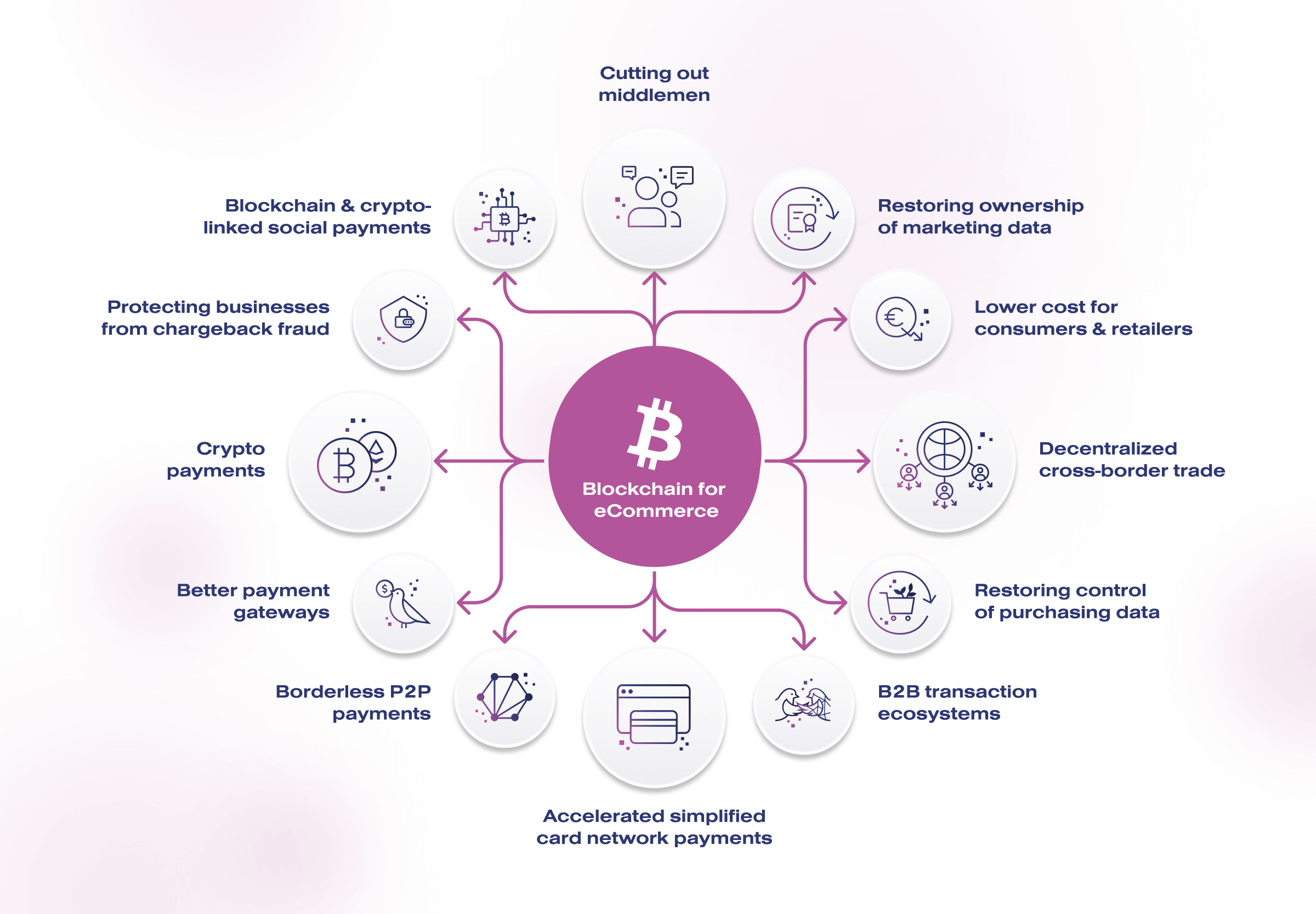
One of the most promising technologies driving this shift is blockchain. Originally designed to support cryptocurrencies like Bitcoin, blockchain has now evolved into a game-changing solution for multiple industries, including e-commerce. Its decentralized and immutable nature makes it a perfect tool for building trust between sellers, platforms, and customers.
This article dives deep into how blockchain improves transparency in e-commerce, the benefits it offers, the challenges it faces, and the role it will play in shaping the future of online shopping.
What Is Blockchain?

At its core, blockchain is a distributed ledger technology that records transactions across multiple computers in such a way that the record cannot be altered retroactively. Each block in the chain contains data, a unique hash, and the hash of the previous block, creating a secure link.
Unlike traditional centralized systems, blockchain operates in a peer-to-peer decentralized network, meaning no single authority controls the data. Instead, information is verified and stored by multiple participants, ensuring transparency, immutability, and security.
When applied to e-commerce, blockchain acts as a digital trust layer, verifying the authenticity of products, recording transactions securely, and providing visibility into the entire supply chain.
Why Transparency Matters in E-Commerce
Before exploring blockchain’s role, it’s essential to understand why transparency has become such a critical demand in the online marketplace:
-
Counterfeit concerns: Fake or low-quality products remain a significant challenge in global e-commerce.
-
Data privacy: Customers want assurance that their personal data is not being misused.
-
Supply chain clarity: People increasingly demand to know the origin of products, especially in categories like food, clothing, and electronics.
-
Trust building: Transparency builds stronger relationships between platforms, sellers, and customers.
Blockchain offers solutions to each of these challenges by providing verifiable, tamper-proof records.
Key Roles of Blockchain in Improving Transparency

1. Supply Chain Visibility
One of the most powerful applications of blockchain is its ability to track products from their point of origin to their final delivery. Every step—manufacturing, shipping, warehousing, and delivery—can be recorded on the blockchain.
Example: A customer browsing organic coffee can scan a QR code and trace the product’s journey from the farm where beans were grown to the roaster and finally to the distribution center.
Impact: This builds trust by confirming authenticity and ensuring ethical sourcing practices.
2. Authenticity Verification
Counterfeit goods cost the global economy billions of dollars annually. Blockchain can help eliminate this by assigning a unique digital identity to every product.
Example: Luxury goods like handbags or watches can come with blockchain-based certificates of authenticity. Customers can verify the certificate through a blockchain record to ensure they are exploring genuine items.
Impact: Protects both customers and brands from fraud.
3. Immutable Transaction Records
Blockchain creates a permanent, unchangeable record of every transaction. Once entered, data cannot be altered or deleted, reducing the chances of fraud or manipulation.
Example: In disputes between a seller and a customer, blockchain records can provide indisputable proof of transaction details.
Impact: Improves fairness, accountability, and trust.
4. Data Privacy and Security
Customers are often wary of how their personal data is handled. Blockchain ensures that sensitive information is stored securely and shared only with authorized parties.
Example: Instead of relying on centralized servers vulnerable to hacks, blockchain stores encrypted data across a decentralized network.
Impact: Enhances confidence in online transactions by reducing data breaches and unauthorized access.
5. Transparent Reviews and Ratings
Reviews and ratings are critical to e-commerce decisions, but fake reviews are a widespread issue. Blockchain can verify the authenticity of feedback by linking reviews directly to verified transactions.
Example: A review left for a product can be validated through blockchain to confirm that the reviewer actually interacted with the item.
Impact: Encourages genuine feedback and empowers users to make better decisions.
6. Smart Contracts
Smart contracts are self-executing agreements coded on blockchain. They trigger specific actions when predefined conditions are met.
Example: A smart contract between a seller and a platform might automatically release payment once a delivery is confirmed through blockchain tracking.
Impact: Reduces disputes, ensures accountability, and speeds up transactions.
Benefits of Blockchain in E-Commerce Transparency
Blockchain offers several clear benefits to the e-commerce ecosystem:
-
Trustworthiness: Immutable records ensure that all parties can rely on the same data.
-
Reduced Fraud: Product authenticity checks minimize counterfeit risks.
-
Accountability: Transparent supply chains hold sellers and manufacturers accountable.
-
Efficiency: Smart contracts eliminate intermediaries, saving time and reducing errors.
-
Empowerment: Customers feel more informed and in control of their decisions.
Challenges of Using Blockchain in E-Commerce
Despite its many advantages, blockchain adoption in e-commerce also faces certain challenges:
-
Scalability: Managing large volumes of data on blockchain can be resource-intensive.
-
Integration Issues: Legacy systems need significant upgrades to integrate blockchain technology.
-
Energy Consumption: Some blockchain models, especially proof-of-work systems, require substantial energy.
-
Regulatory Uncertainty: Laws governing blockchain and digital currencies are still evolving.
-
Cost of Implementation: Building blockchain-based systems requires investment in infrastructure and expertise.
Real-World Examples of Blockchain in E-Commerce
-
Walmart: Uses blockchain to track food products, ensuring safety and transparency in its supply chain.
-
De Beers: Tracks diamonds through blockchain to confirm they are ethically sourced.
-
Alibaba: Has experimented with blockchain for tracking product authenticity in its vast online marketplace.
-
Amazon (patent explorations): Researching blockchain frameworks for product authenticity verification.
These examples highlight the growing momentum toward blockchain integration in online platforms.
The Future of Blockchain in E-Commerce Transparency
.png)
Looking ahead, blockchain is expected to play an even bigger role in redefining transparency:
-
Mass Adoption of Digital Product Passports: Every product may soon have a blockchain-verified digital identity.
-
Integration with IoT (Internet of Things): Devices like smart tags and trackers will feed real-time data into blockchain records.
-
Eco-Friendly Blockchain Models: With sustainability concerns rising, newer blockchain models will minimize energy usage.
-
Cross-Border Transactions: Blockchain may simplify and secure international transactions with faster verification.
-
Decentralized Marketplaces: Peer-to-peer platforms powered by blockchain could eliminate the need for central authorities altogether.
Blockchain Awareness at goshipkart.com
At goshipkart.com, we believe that awareness is the first step toward building trust in e-commerce. Blockchain technology provides an unprecedented opportunity to create an environment where transparency is not optional—it is standard. By giving individuals access to verified information about product origins, authenticity, and transaction integrity, blockchain empowers them to make more confident decisions.
Our vision is to highlight how these innovations improve the online experience for everyone. Transparency builds stronger connections, and blockchain is paving the way for a more open, fair, and trustworthy future in e-commerce.
Final Thoughts
Blockchain is more than a technological buzzword—it is a powerful tool for improving transparency across the e-commerce landscape. By ensuring authenticity, protecting data, and providing immutable transaction records, blockchain addresses some of the most pressing challenges in online shopping today.
While there are challenges to overcome, the potential is undeniable. As blockchain adoption grows, e-commerce will evolve into a space where trust is built into every transaction, every review, and every product journey.
At goshipkart.com, our commitment lies in creating awareness about these transformative changes. By understanding how blockchain enhances transparency, individuals are better equipped to embrace the innovations shaping the future of e-commerce.
The rise of blockchain marks the beginning of a more open, secure, and reliable digital marketplace—and that’s a future worth preparing for