




Introduction
Technology has always shaped the way people live, work, and interact with the world. From the invention of the printing press to the rise of the internet, every technological leap has left a lasting mark on human society. In recent years, two of the most transformative innovations have been mobile devices and wearable technology. These tools have gone beyond being convenient gadgets—they are now essential companions that influence health, productivity, communication, and even personal identity.
At goshipkart.com, a USA-based e-commerce platform, we have observed how the shift from mobile phones to wearables reflects broader cultural, social, and technological changes. This evolution is not just about convenience; it’s about how individuals harness technology to lead smarter, healthier, and more connected lives.
In this article, we will explore the journey from mobile devices to wearables, understand their impact, and examine how these innovations are reshaping lifestyles in the United States and beyond.
The Rise of Mobile Technology

The story begins with mobile phones. When they first appeared, they were bulky, expensive, and limited to basic voice calls. Over time, mobile devices transformed into smartphones—powerful mini-computers capable of doing everything from managing finances to streaming entertainment.
Smartphones became a gateway to the digital world. With apps for nearly every aspect of life—communication, shopping, education, fitness, and work—people began to rely on them as daily essentials. In the United States, smartphones now serve as tools for:
-
Work: Video calls, remote collaboration apps, and cloud storage have enabled new ways of working.
-
Education: Students access e-learning platforms, digital libraries, and online classrooms.
-
Entertainment: Streaming music, movies, and games are available at fingertips.
-
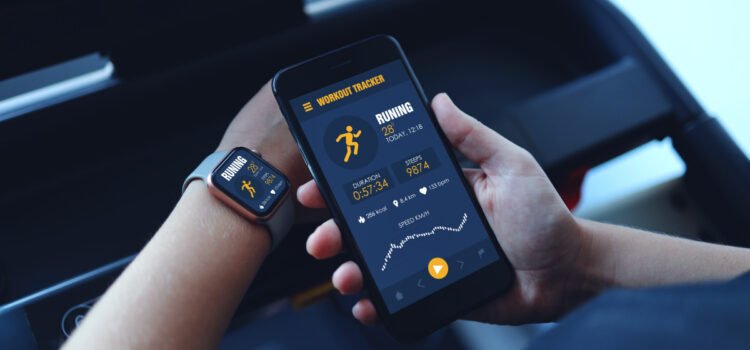
Health and fitness: Apps track nutrition, monitor workouts, and offer guided meditation.
-
Financial management: Mobile banking and payment systems simplify transactions.
What began as a device for talking to others has evolved into a universal remote for life. Yet, while smartphones empowered people, they also introduced challenges such as screen fatigue, dependency, and digital distraction. This is where wearable technology entered the picture.
The Shift Toward Wearables
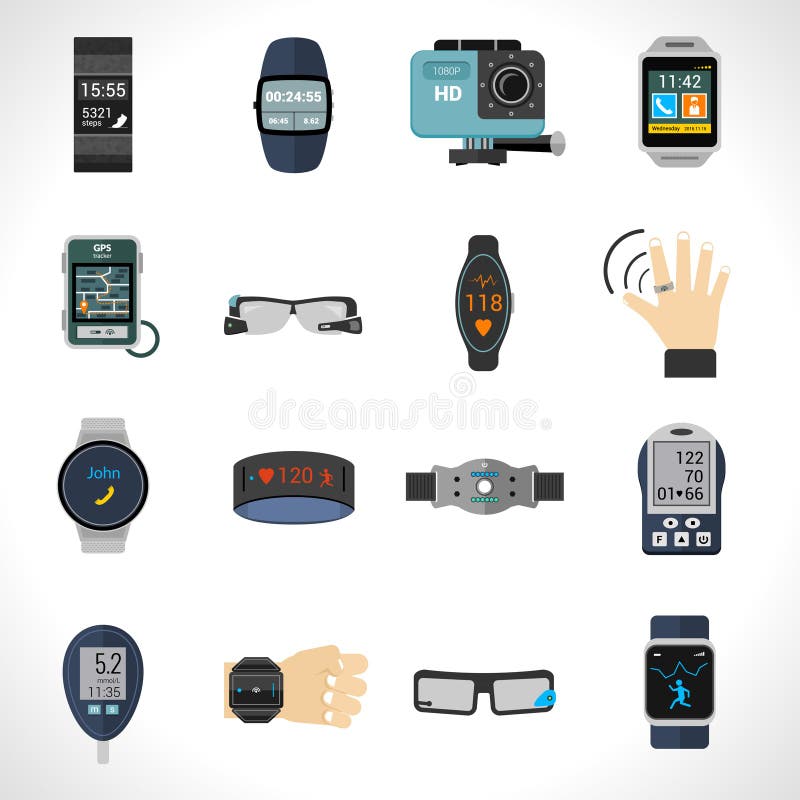
Wearable technology bridges the gap between humans and machines more seamlessly than ever before. Unlike smartphones, which are carried in pockets or bags, wearables are worn on the body—making them both personal and practical.
Popular Types of Wearables
-
Smartwatches – Devices that track fitness, monitor heart rates, display notifications, and even support contactless payments.
-
Fitness Bands – Simplified trackers focusing on steps, sleep, calories, and workouts.
-
Smart Glasses – Augmented reality (AR) eyewear that overlays digital information on the physical world.
-
Smart Clothing – Fabrics embedded with sensors that can measure muscle activity, temperature, or hydration levels.
-
Hearables – Wireless earbuds with advanced functions such as real-time translation, biometric monitoring, or voice-assistant integration.
Each wearable serves a distinct purpose, but collectively they represent a shift toward personalized, real-time interaction with technology.
Why Wearables Matter

The rise of wearables signals more than just a trend—it highlights a new stage in how humans use technology to optimize life. Here are key areas where wearables are making a difference:
1. Health and Wellness

Wearables are revolutionizing healthcare by turning individuals into active participants in their well-being. Smartwatches can detect irregular heart rhythms, measure oxygen saturation, or remind wearers to stay active. Fitness trackers encourage people to set goals and monitor progress.
For those managing chronic conditions, wearables provide real-time data that can be shared with healthcare providers. This shift toward preventative care has the potential to reduce medical costs and improve quality of life.
2. Productivity and Work

In professional environments, wearables enable employees to stay connected without constantly reaching for their phones. Notifications, reminders, and quick responses from the wrist streamline workflows. Augmented reality glasses are even being used in industries like construction, healthcare, and manufacturing to provide workers with hands-free access to important data.
3. Safety and Accessibility

For individuals with disabilities or special needs, wearable technology opens new doors. Voice-enabled devices assist those with vision impairments, while smartwatches with fall detection provide an added layer of safety for seniors. Location-tracking features also give peace of mind to families monitoring loved ones.
4. Fitness and Lifestyle

Wearables encourage healthier habits by gamifying exercise and wellness. Competing with friends in step challenges, tracking sleep cycles, and receiving gentle nudges to move throughout the day are small but impactful features that make fitness accessible to everyone.
5. Entertainment and Social Connection
From wireless earbuds that deliver immersive sound to AR glasses that blend digital and physical experiences, wearables enhance entertainment. They also keep people connected—notifications, calls, and messages are always within reach without the need to constantly check a phone.
Cultural Impact of Mobile and Wearable Tech
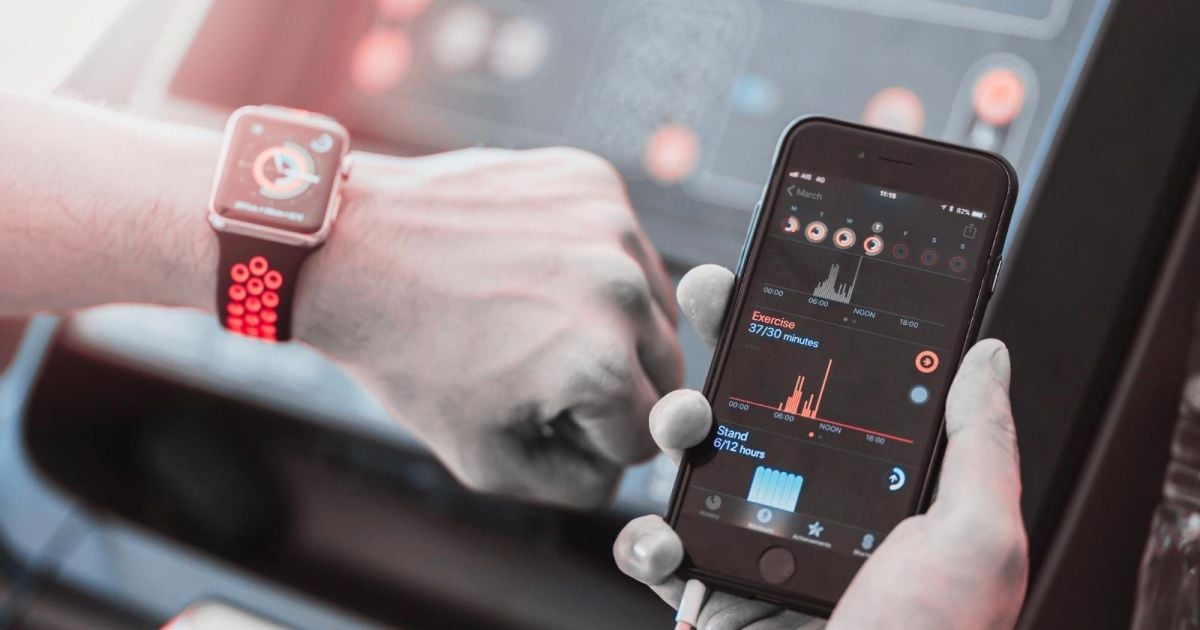
Technology doesn’t just change habits—it shapes culture. In the United States, mobile and wearable devices have influenced everything from fashion to communication styles.
-
Fashion and Identity: Smartwatches and designer fitness bands are as much style statements as functional tools. People personalize watch faces, straps, and digital features to reflect individuality.
-
Communication Norms: Quick wrist notifications or voice commands reduce the need for constant screen-checking, changing how people interact socially.
-
Generational Shifts: Younger generations see wearables as an extension of self, while older generations appreciate their role in safety and health monitoring.
-
Consumer Expectations: People now expect seamless integration between devices. A smartwatch that syncs with a phone, a car, or even home appliances is becoming standard.
This cultural shift highlights that technology is no longer just about convenience—it’s about lifestyle integration.
Challenges and Concerns

While mobile devices and wearables offer incredible benefits, they also raise important questions.
-
Privacy: Wearables collect sensitive health and location data. Ensuring this information remains secure is a top priority.
-
Digital Overload: Always-on devices can lead to over-reliance and reduced face-to-face interaction.
-
Cost Barriers: Advanced devices may not be accessible to everyone, creating a digital divide.
-
Health Concerns: Extended reliance on devices may lead to issues such as screen addiction or over-tracking behaviors.
Balancing innovation with ethical responsibility will be key as the market grows.
The Future of Wearables

As technology evolves, wearables will continue to expand their role in everyday life. Future trends include:
-
Smarter Healthcare Integration: Continuous monitoring of vital signs and AI-powered early diagnosis.
-
Augmented Reality Growth: Widespread adoption of AR glasses for work, education, and entertainment.
-
Sustainable Design: Eco-friendly materials and energy-efficient devices.
-
AI-Powered Personalization: Tailored recommendations for health, productivity, and lifestyle improvements.
-
Seamless Ecosystems: Unified connections between wearables, smart homes, vehicles, and other devices.
The ultimate goal is to create technology that feels invisible—so seamlessly integrated into life that it enhances human potential without being intrusive.
Conclusion
The journey from mobile devices to wearable technology is more than a story of gadgets—it’s a story of human progress. What began with phones that connected people through calls has evolved into a world where devices worn on the body can monitor health, improve productivity, and enrich lifestyles.
At goshipkart.com, we recognize the significance of this transformation. As a USA-based e-commerce platform, we see mobile and wearable technologies not only as tools of convenience but as symbols of how innovation continues to redefine human experience.
From mobiles to wearables, the message is clear: technology is not just changing lives—it’s becoming a part of life itself