




Introduction
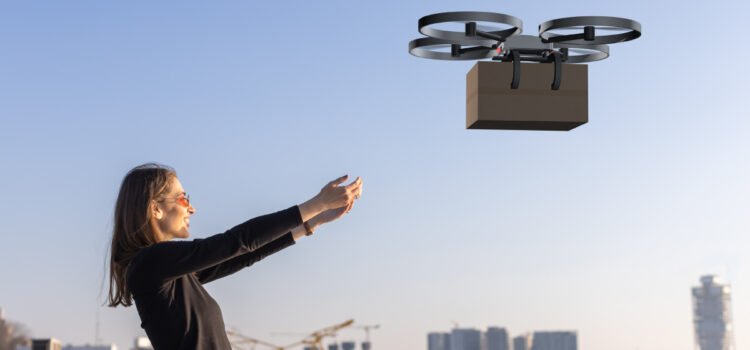
The world of logistics and transportation is undergoing a massive transformation. Over the past decade, technology has reshaped how goods move from one place to another, with innovations like real-time tracking, smart warehouses, and automated vehicles. Among these innovations, one stands out for its futuristic appeal and real-world potential: drones in delivery services.
At goshipkart.com, a USA-based e-commerce platform, we are constantly observing how advancements in logistics can enhance convenience, reduce delivery times, and reshape customer experiences. Drone technology, once associated only with military or recreational use, is now emerging as a serious player in commercial delivery systems. The question is no longer “if” drones will be part of delivery networks—it’s “when” and “how extensively.”
In this article, we’ll explore the role of drones in delivery services, their advantages, challenges, cultural implications, and what the future may look like in the United States.
The Evolution of Delivery Services

Before understanding drones, it’s important to look at the bigger picture. Traditional delivery methods—trucks, vans, and even bicycles—have dominated for decades. While effective, these methods face limitations: traffic congestion, high fuel costs, and slower turnaround times.
As online shopping surged in the United States, consumer expectations shifted. Faster delivery, same-day service, and real-time tracking became the norm. This created a demand for new solutions that could cut through traditional obstacles. Enter drones.
Drones, also known as Unmanned Aerial Vehicles (UAVs), offer a unique way to bypass road traffic, reduce last-mile delivery costs, and reach remote or rural areas with greater efficiency.
How Drone Delivery Works
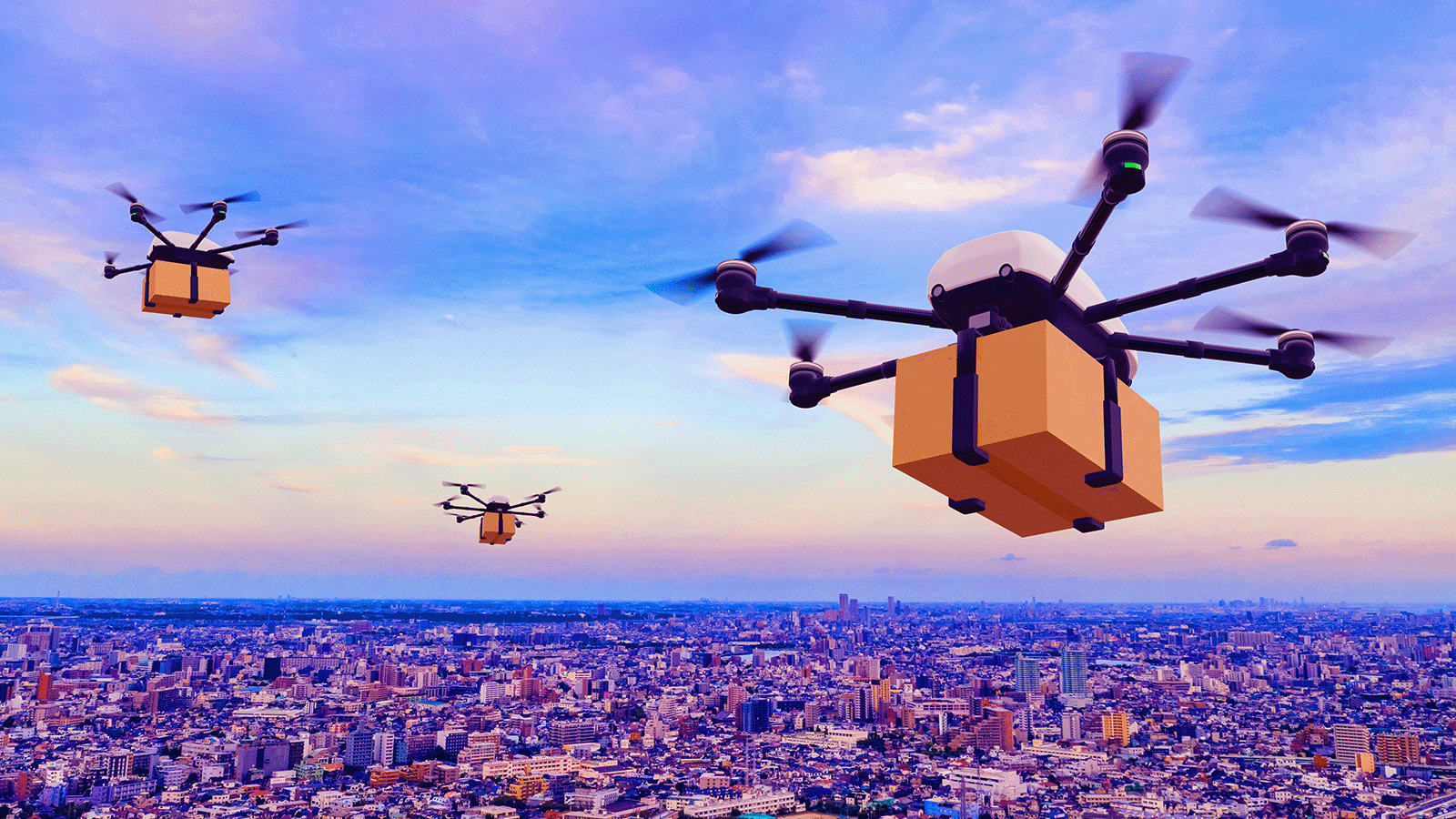
Drone delivery is fairly straightforward in concept but requires advanced technology in practice. Here’s a simplified breakdown:
-
Order Processing
A delivery request is generated and assigned to a drone. -
Drone Loading
Items are placed in a secure compartment or attached to the drone’s underbelly. -
Navigation
Using GPS, sensors, and AI-powered systems, drones chart the fastest and safest route to the delivery destination. -
In-Flight Monitoring
Drones are monitored in real time, ensuring compliance with airspace regulations and avoiding obstacles like trees, buildings, or power lines. -
Delivery Completion
Upon reaching the destination, the drone may either land or lower the package gently via a tethering system. -
Return to Base
After delivery, drones return to their hub for recharging or reloading.
This process is powered by advancements in artificial intelligence, automation, and battery technology, making drone deliveries increasingly viable.
Benefits of Drone Delivery
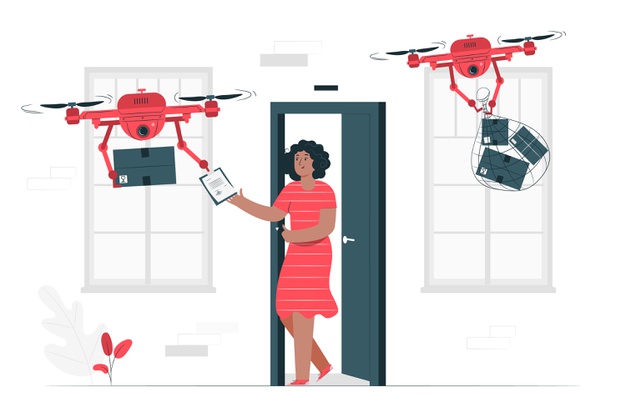
Drone delivery offers a wide range of benefits for both businesses and communities.
1. Speed and Efficiency
Drones can travel in straight lines, avoiding traffic jams and road detours. A trip that might take 30 minutes by car could take less than 10 minutes by drone. This is a game-changer for urgent deliveries, such as medications or critical supplies.
2. Reduced Environmental Impact
With electric-powered drones, carbon emissions are significantly lower compared to traditional delivery trucks. For sustainability-focused consumers in the USA, this aligns with growing interest in eco-friendly logistics.
3. Access to Remote Areas
Communities in rural or hard-to-reach locations often face delays in receiving goods. Drones can bridge this gap by delivering essentials directly to doorsteps, no matter the terrain.
4. Lower Last-Mile Costs
The “last mile” of delivery is often the most expensive part of logistics. Drones reduce dependency on fuel, labor, and vehicle maintenance, potentially lowering costs for companies and end-users.
5. Healthcare Applications
Medical supplies, vaccines, and emergency kits can be delivered rapidly using drones, saving lives in critical situations. During natural disasters, drones can reach areas where roads are blocked.
Challenges Facing Drone Delivery
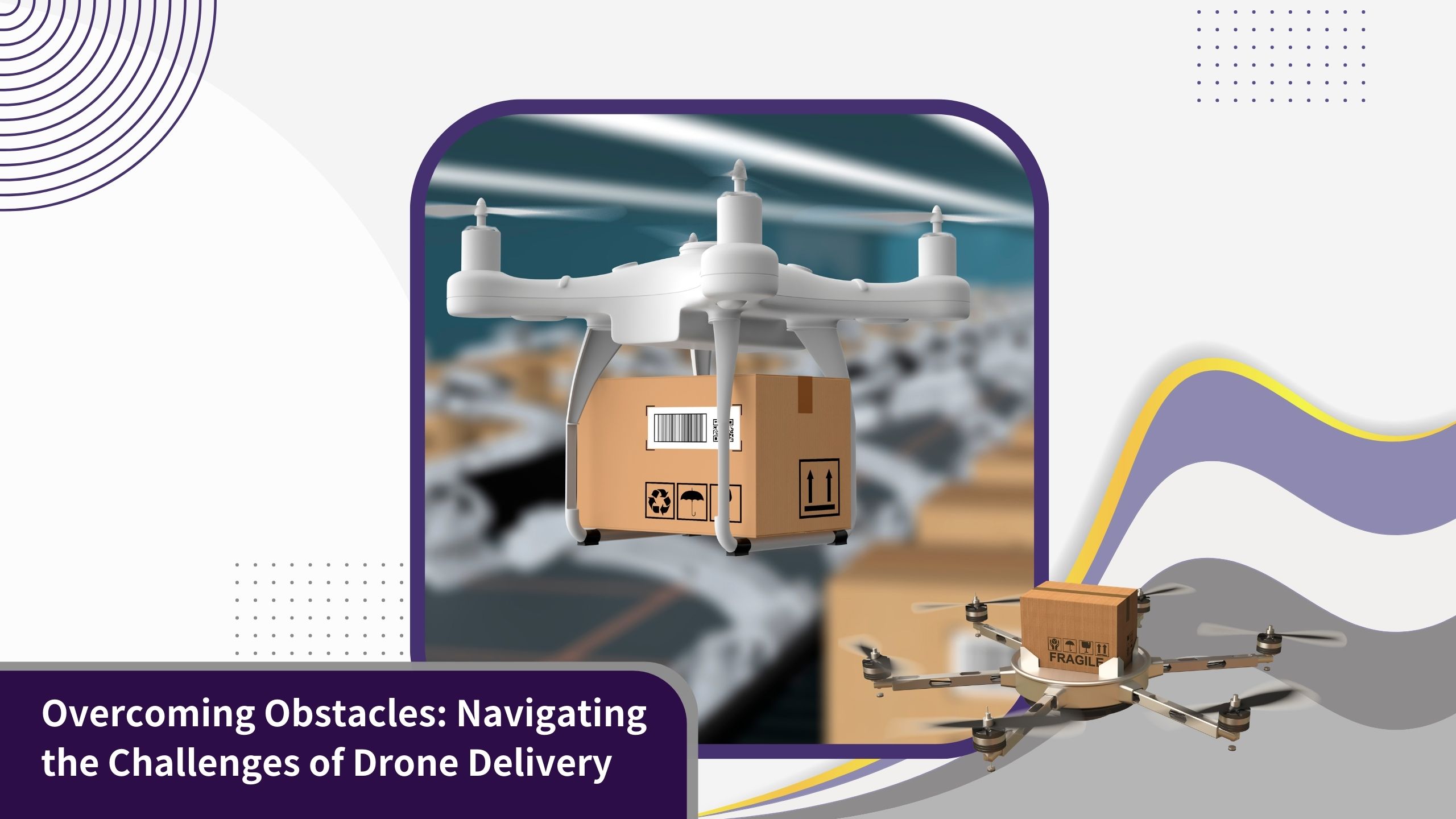
Despite its promise, drone delivery faces significant hurdles before it can become mainstream.
1. Regulatory Issues
The Federal Aviation Administration (FAA) in the USA has strict rules for drone operations, particularly for commercial flights. Ensuring drones operate safely within shared airspace remains a priority.
2. Safety Concerns
What happens if a drone malfunctions mid-flight? Ensuring package security and preventing accidents is crucial to public trust.
3. Limited Payload Capacity
Most drones can only carry lightweight packages, typically between 2–5 pounds. While this works for small items, larger goods still require traditional transport.
4. Weather Dependency
Strong winds, rain, or snow can ground drones, limiting reliability in certain regions and seasons.
5. Public Perception
Noise, privacy concerns, and the idea of “machines flying overhead” can make some communities hesitant to accept drones. Education and awareness will be key to cultural acceptance.
Drone Delivery in the United States: Current Landscape

The United States is at the forefront of drone delivery experimentation. Several major companies and startups are conducting pilot projects across various states.
-
Medical Deliveries: Drones have already been used to transport medical samples between hospitals in cities like Raleigh, North Carolina.
-
Food and Retail Trials: Some companies are testing drone delivery for groceries, meals, and household goods.
-
Rural Solutions: In remote areas of states like Alaska, drones are bridging gaps in supply chains where traditional logistics struggle.
The FAA has begun granting approvals for Beyond Visual Line of Sight (BVLOS) operations, which is critical for scaling drone delivery nationwide. This marks a turning point for the industry.
Cultural Impact of Drone Delivery
Drone delivery is more than a technological shift—it’s a cultural one.
-
Consumer Expectations: As people become accustomed to same-day or even same-hour delivery, drones could set a new standard for speed and convenience.
-
Urban Landscapes: Rooftops, mailboxes, and delivery lockers may evolve to accommodate drones. Imagine smart homes with designated drone landing pads.
-
Employment Shifts: While drones may reduce the need for some delivery jobs, they will also create new opportunities in drone maintenance, software development, and air traffic management.
-
Community Response: Acceptance of drones will depend on how communities view their role—either as disruptive machines or as helpful innovations.
The Future of Drone Delivery

Looking ahead, drone delivery has the potential to reshape logistics in powerful ways.
-
Integration with Smart Cities
In future urban planning, drones could integrate with smart infrastructure, docking at designated hubs or charging stations built into buildings. -
AI-Powered Logistics
Artificial intelligence will optimize flight paths, reduce congestion in the skies, and even predict consumer demand to pre-position inventory. -
Greater Payload Capacity
Advances in materials and battery technology may allow drones to carry heavier packages over longer distances. -
Sustainability Leadership
As environmental concerns grow, drone delivery may become a core part of green logistics strategies in the USA. -
Global Inspiration
Success in the USA will inspire other nations to adopt similar models, making drone delivery a worldwide phenomenon.
Balancing Innovation and Responsibility

While excitement around drone delivery is undeniable, it’s important to approach innovation responsibly. Ensuring safety, privacy, and equity will be just as important as speed and efficiency. Communities, regulators, and businesses must collaborate to create systems that work for everyone.
Drone delivery should not only serve urban centers but also empower rural communities, healthcare networks, and emergency services. By balancing innovation with inclusivity, drones can truly redefine logistics.
Conclusion
From imagination to reality, drones are transitioning from futuristic concepts to real-world delivery tools. They promise faster, greener, and more efficient logistics, reshaping how goods move across cities and rural landscapes in the USA.
At goshipkart.com, we believe the role of drones in delivery services represents more than just convenience—it’s a glimpse into the future of human innovation. Just as smartphones changed communication and wearables changed health monitoring, drones are set to change the way goods reach people’s homes and communities.
The journey is just beginning, but one thing is clear: drones are not just flying devices—they are symbols of a new era in delivery services