





Introduction
The way people shop in the United States has been undergoing a quiet revolution. Beyond trends, deals, and convenience, another factor is rising to the forefront: sustainability. A growing number of Americans are no longer satisfied with products that simply serve their purpose. Instead, they seek goods that align with their values—especially when it comes to protecting the environment.
At GoShipKart.com, a USA-based e-commerce platform, we’ve witnessed firsthand how consumer priorities are shifting. The rise of eco-conscious shoppers is more than just a fad; it’s a movement that is reshaping industries, guiding product development, and influencing how businesses operate.
This article explores how awareness about sustainability is influencing choices, why it matters, and what the future might look like in an eco-conscious America.
1. Understanding the Eco-Conscious Consumer

Who exactly is an eco-conscious consumer? At the core, they are individuals who factor in the environmental impact of their choices before making decisions. They want products that are not only useful but also produced, packaged, and delivered in ways that minimize harm to the planet.
Key Characteristics of Eco-Conscious Consumers
-
Awareness Driven: They actively seek information about sourcing, production methods, and corporate values.
-
Quality Over Quantity: Instead of opting for fast, disposable goods, they prefer durable products that last longer.
-
Support for Ethical Brands: They are drawn to companies that show responsibility in waste management, fair labor practices, and eco-friendly supply chains.
-
Lifestyle Integration: Sustainability is not just about products; it’s about an overall lifestyle—reducing plastic use, conserving energy, and supporting circular economies.
2. Why Awareness Has Grown in the USA
Several factors have fueled the rise of eco-conscious consumers across America:
a) Climate Change Conversations
The media spotlight on rising global temperatures, extreme weather events, and environmental degradation has made sustainability a national conversation. People now see direct connections between daily actions and the health of the planet.
b) Influence of Younger Generations
Millennials and Gen Z are particularly influential. Surveys show these groups prioritize eco-friendly options more than previous generations. They are vocal about their preferences and use social media to amplify the message.
c) Accessibility of Information
Technology has empowered shoppers with knowledge. With just a few clicks, they can verify whether a product is certified organic, made from recycled materials, or sourced ethically. Transparency has become a demand, not an option.
d) Corporate Responsibility
Large corporations and startups alike are increasingly promoting their sustainability efforts. This visibility raises awareness, showing consumers that eco-friendly choices are possible across industries.
3. Product Categories Most Affected by Eco-Conscious Choices

Awareness doesn’t shape all markets equally. Certain product categories have seen stronger shifts toward sustainability.
1. Fashion and Apparel
The fashion industry, long criticized for fast fashion and waste, has been undergoing a change. Eco-conscious shoppers now seek:
-
Clothing made from organic cotton, bamboo, or recycled fibers.
-
Brands that practice ethical labor policies.
-
Durable, timeless designs instead of disposable trends.
2. Food and Beverages
From organic produce to plant-based alternatives, consumer awareness is reshaping the grocery basket. Labels like “non-GMO,” “locally sourced,” and “sustainably harvested” are guiding decisions.
3. Electronics
Shoppers increasingly favor brands offering recycling programs, energy-efficient devices, and longer product life cycles. Awareness about e-waste has become a significant concern.
4. Home and Lifestyle
Eco-conscious consumers choose cleaning products with biodegradable ingredients, furniture made from reclaimed wood, and reusable home essentials over single-use alternatives.
5. Packaging Preferences
Minimal packaging, recyclable materials, and biodegradable fillers have become a deciding factor in many product choices.
4. The Role of E-Commerce in Shaping Awareness

E-commerce platforms like GoShipKart.com play a critical role in this shift. By providing visibility into product details, certifications, and sourcing stories, online platforms educate consumers directly.
-
Transparency: Product descriptions highlighting eco-certifications help shoppers make informed decisions.
-
Filtering Options: Many e-commerce sites now allow users to sort by “eco-friendly” or “sustainable.”
-
Awareness Campaigns: Platforms often run sustainability awareness blogs, newsletters, and product highlights to guide shoppers.
In this way, e-commerce is not just meeting demand—it is nurturing awareness.
5. Challenges Consumers Face in Making Eco-Friendly Choices
Despite the growth of eco-consciousness, the path isn’t without hurdles.
Greenwashing
Some brands falsely market products as sustainable without real impact. This “greenwashing” can confuse and mislead consumers.
Higher Costs
Eco-friendly products often come with higher price tags due to sustainable sourcing and ethical production. This creates a barrier for some households.
Limited Availability
While awareness is growing, not all categories have a wide range of sustainable options yet. Rural areas, in particular, may face fewer eco-friendly choices.
Complexity of Verification
Certifications like “organic,” “fair trade,” or “carbon neutral” can be overwhelming. Consumers often struggle to differentiate genuine certifications from marketing tactics.
6. The Ripple Effect: How Awareness Influences Businesses

Consumer demand is pushing businesses to rethink strategies. Awareness is not only shaping choices but also reshaping industries.
-
Product Innovation: Brands are investing in biodegradable materials, zero-waste packaging, and renewable energy-based production.
-
Supply Chain Adjustments: Companies are monitoring emissions, sourcing responsibly, and partnering with ethical suppliers.
-
Corporate Social Responsibility (CSR): Sustainability has become a core part of brand identity, with companies highlighting eco-initiatives as part of their value system.
-
Policy Pressure: Businesses face pressure to adhere to stricter environmental regulations, driven in part by vocal consumer demand.
7. Eco-Consciousness and Lifestyle Shifts

For many Americans, eco-consciousness has become more than just a shopping trend—it’s part of their lifestyle.
-
Minimalism: Buying fewer but higher-quality items.
-
Recycling & Upcycling: Finding new uses for old products rather than discarding them.
-
Plant-Based Living: Choosing diets that reduce environmental impact.
-
Shared Economy: Supporting rental services, second-hand markets, and community sharing initiatives.
These lifestyle changes reflect a deeper cultural shift toward sustainability.
8. The Role of Education and Media

Awareness grows through education and storytelling. Documentaries, social media influencers, and educational campaigns have been crucial in spreading sustainability awareness. For instance, viral campaigns against single-use plastics sparked widespread reductions in plastic straw usage.
Educational platforms and online resources further empower consumers to make informed choices. When information is readily available, eco-conscious behaviors are easier to adopt.
9. Looking Ahead: The Future of Eco-Conscious Shopping

The rise of eco-conscious consumers is not slowing down—it is accelerating. Here’s what the future could hold:
-
Mainstream Sustainability: Eco-friendly products will no longer be niche; they’ll be standard.
-
Circular Economy Models: More businesses will adopt “repair, reuse, recycle” approaches.
-
Carbon-Neutral Deliveries: E-commerce will increasingly use electric fleets, drones, and renewable energy to minimize shipping footprints.
-
Personalized Sustainability: Technology will help shoppers calculate their carbon footprint and choose greener alternatives.
-
Policy-Driven Change: Government incentives and stricter regulations will further push sustainable practices.
10. Why This Awareness Matters
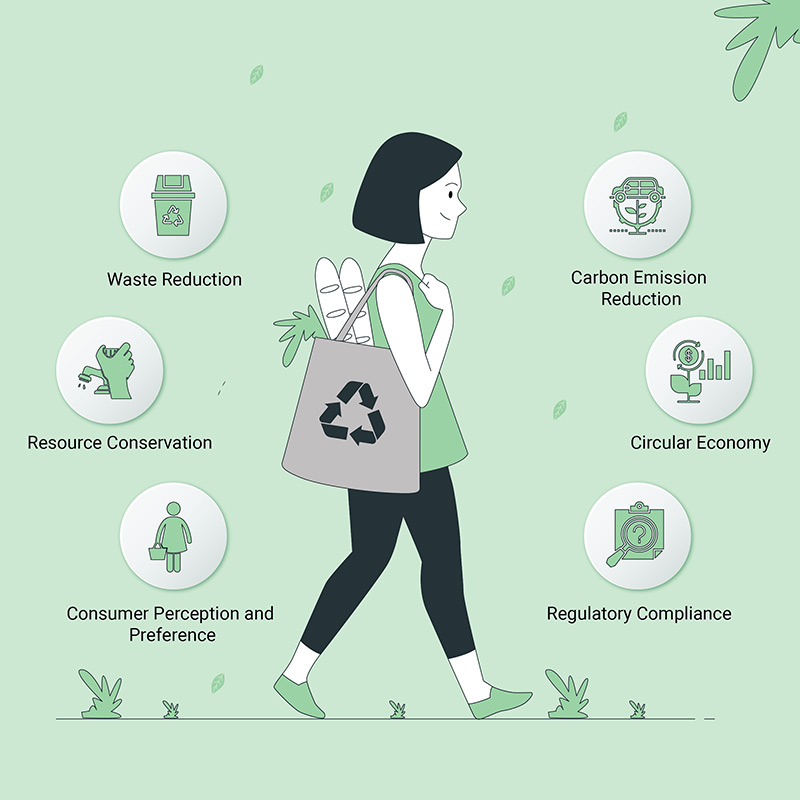
The rise of eco-conscious consumers reflects more than a trend; it signals a societal awakening. Every eco-friendly choice reduces carbon footprints, minimizes waste, and supports ethical practices. Collectively, these decisions hold the power to:
-
Reduce pollution and conserve natural resources.
-
Encourage industries to innovate responsibly.
-
Create a healthier environment for future generations.
By making conscious choices, American consumers are sending a powerful message: the environment matters.
Conclusion
Behind every product, there’s a story—not just of craftsmanship and design, but also of its impact on the planet. The rise of eco-conscious consumers in America shows how awareness is transforming shopping from a transactional act into a meaningful statement of values.
At GoShipKart.com, we believe in highlighting this movement, fostering education, and empowering customers to align their everyday choices with a sustainable future. By understanding how awareness shapes decisions, we can all contribute to a greener, healthier world.
The next time you pick up an item, pause and consider: is this choice good for me, and is it good for the planet? That simple act of awareness is how change begins