





Introduction
Over the last decade, the way people explore products online has transformed dramatically. In the early days of e-commerce, product images and basic descriptions were enough to spark interest. Soon after, videos and interactive guides elevated the experience, giving customers more context and confidence in what they were choosing. But today, with rapid advancements in immersive technology, a new frontier is changing the landscape: Augmented Reality (AR).
At goshipkart.com, our goal is not only to highlight products but also to create awareness about the evolving technologies shaping the online shopping experience. Augmented Reality is one such breakthrough that is rewriting how people interact with products digitally—bridging the gap between virtual browsing and real-world ownership.
What Is Augmented Reality (AR)?

Augmented Reality is a technology that overlays digital information—such as 3D models, images, or animations—onto the real world. Unlike Virtual Reality (VR), which immerses a user in a completely digital environment, AR enhances the physical world by adding interactive layers of data.
When applied to e-commerce, AR allows people to visualize how a product will look, fit, or function in their space before making a decision. For example:
-
Furniture AR apps let you place a virtual sofa in your living room using your smartphone camera.
-
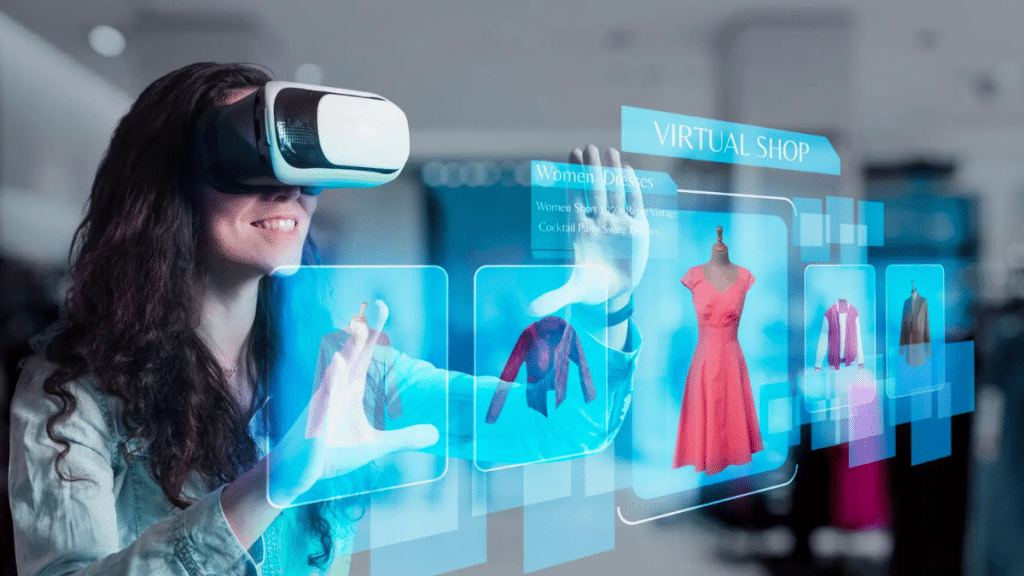
Fashion AR tools allow you to “try on” glasses, shoes, or clothing digitally.
-
Beauty AR experiences enable you to test shades of makeup on your face in real time.
The result is a highly personalized experience that reduces uncertainty and builds confidence.
Why AR Is Rising in Online Experiences

Several factors are driving the rapid adoption of AR in e-commerce:
1. Advancements in Mobile Technology
With smartphones becoming more powerful, equipped with advanced cameras and sensors, AR applications are more accessible than ever. Most users can access AR through devices they already own.
2. Demand for Immersive Experiences
Modern consumers want more than static images. They expect interactive tools that bring products to life and help them make informed decisions.
3. Bridging the Gap Between Online and Offline
One of the biggest challenges of online browsing has been the inability to physically interact with products. AR fills this gap by simulating real-world experiences digitally.
4. Reduced Returns and Dissatisfaction
By letting individuals preview products in their own environment, AR reduces mismatches and helps ensure they select items that truly suit their needs.
Key Roles of AR in Online Product Experiences

AR is not just a flashy add-on—it plays several crucial roles in shaping the future of digital commerce.
1. Visualization and Realism
Perhaps the most significant benefit of AR is its ability to show products in true-to-life dimensions. Instead of imagining how a chair will look in a room, AR lets you project the 3D model directly into your home. This level of visualization goes far beyond pictures and even videos.
2. Personalization
AR tailors experiences to individual needs. From trying out a new lipstick shade to previewing a kitchen appliance in your exact kitchen, AR adapts to your environment and style.
3. Engagement and Interaction
Static browsing can sometimes feel flat. AR makes online exploration interactive and fun, encouraging users to spend more time exploring and understanding products.
4. Confidence and Awareness
AR reduces uncertainty by answering the most common question in e-commerce: “How will this look in real life?” This added layer of assurance improves overall satisfaction and awareness about product suitability.
Examples of AR in Action
To better understand how AR is reshaping experiences, let’s look at a few real-world applications:
-
Home Décor and Furniture: Companies use AR to allow customers to place furniture virtually in their homes, ensuring it fits both space and style.
-
Fashion: Virtual fitting rooms make it easier to experiment with clothing sizes and styles. Glasses retailers, for instance, offer AR try-ons to test frame shapes on your face.
-
Beauty Products: Makeup brands let users try on lipstick, eyeshadow, and foundation shades through AR mirrors or mobile apps.
-
Automotive Industry: Some platforms allow users to project a 3D model of a car in their driveway and even explore its interior digitally.
-
Electronics: AR can demonstrate how a television will look on your wall or how a speaker might fit into your living space.
These examples demonstrate AR’s versatility and its ability to create experiences that are practical, engaging, and informative.
The Benefits of AR for Online Product Experiences

1. Enhanced Understanding
AR gives a deeper understanding of product size, color, and texture in ways that traditional images cannot.
2. Time Efficiency
By helping people quickly determine if a product fits their needs, AR streamlines the browsing journey.
3. Lower Risk of Mismatch
With AR previews, users are less likely to select products that don’t fit their style, size, or space.
4. Stronger Brand Connection
AR creates memorable, interactive experiences that foster trust and loyalty.
5. Innovation Appeal
Consumers often view AR as modern and exciting, which can positively influence their perception of a platform.
Challenges and Considerations

While AR offers many advantages, it also comes with certain challenges that should not be overlooked.
1. Technical Barriers
Not all devices support advanced AR features, limiting accessibility for some users.
2. Development Costs
Building detailed 3D models and AR applications requires investment in technology and expertise.
3. Learning Curve
Although AR tools are increasingly intuitive, some users may initially find them unfamiliar.
4. Accuracy Issues
Sometimes, AR models may not perfectly capture size, color, or texture, leading to misaligned expectations.
5. Privacy Concerns
AR applications often require access to cameras and data, raising questions about privacy and security.
The Future of AR in Online Experiences
The rise of AR is only the beginning. In the coming years, we can expect even more advanced and widespread applications:
-
Integration with Artificial Intelligence (AI): AR experiences will become smarter, predicting what products you might want to visualize based on browsing history.
-
Cross-Platform Interoperability: Standards like WebAR will make AR accessible directly from browsers without requiring additional apps.
-
5G Connectivity: Faster networks will allow seamless, high-quality AR streaming experiences.
-
Full Immersive Ecosystems: AR will likely integrate with Virtual Reality (VR) and the Metaverse, creating even more immersive digital marketplaces.
-
Sustainability Insights: AR could display environmental data, showing the eco-impact of products in real time.
AR and Awareness at goshipkart.com
At goshipkart.com, we recognize that awareness is the cornerstone of embracing new technologies. AR is more than a trend—it’s a tool that empowers individuals to explore with confidence, clarity, and creativity. By bridging digital browsing with real-world context, AR transforms how people understand products, ensuring they make informed decisions that align with their unique lifestyles.
Our focus is on creating awareness around the possibilities that AR brings. Whether it’s imagining how furniture looks in your space, experimenting with styles digitally, or understanding the features of complex products in detail, AR enhances the journey from curiosity to clarity.
Final Thoughts
The rise of AR in online product experiences represents a profound shift in how people interact with the digital world. By overlaying interactive visuals onto reality, AR bridges the gap between imagination and experience, helping individuals make more informed, confident, and personalized decisions.
While challenges remain, the future promises even greater integration of AR into everyday life. It is no longer just about seeing products on a screen—it is about bringing them into your world virtually, ensuring they fit seamlessly into your lifestyle before they ever reach your doorstep.
At goshipkart.com, we believe awareness is key to unlocking the full potential of this innovation. AR is not only shaping the future of e-commerce but also redefining the way we connect with products, spaces, and possibilities.