



Introduction
Technology continues to shape the way people live, and one of the most impactful innovations of recent years is the rise of smart home devices. At goshipkart.com, we recognize how these devices are transforming households across the USA by bringing convenience, energy efficiency, and enhanced security into everyday life.
Smart home technology is no longer just about futuristic gadgets—it has become an integral part of modern living. From voice-controlled assistants to intelligent security systems and connected appliances, these devices are revolutionizing how people interact with their homes. In this article, we will explore what smart home devices are, their types, and their significant role in shaping the future of domestic living.
1. What Are Smart Home Devices?
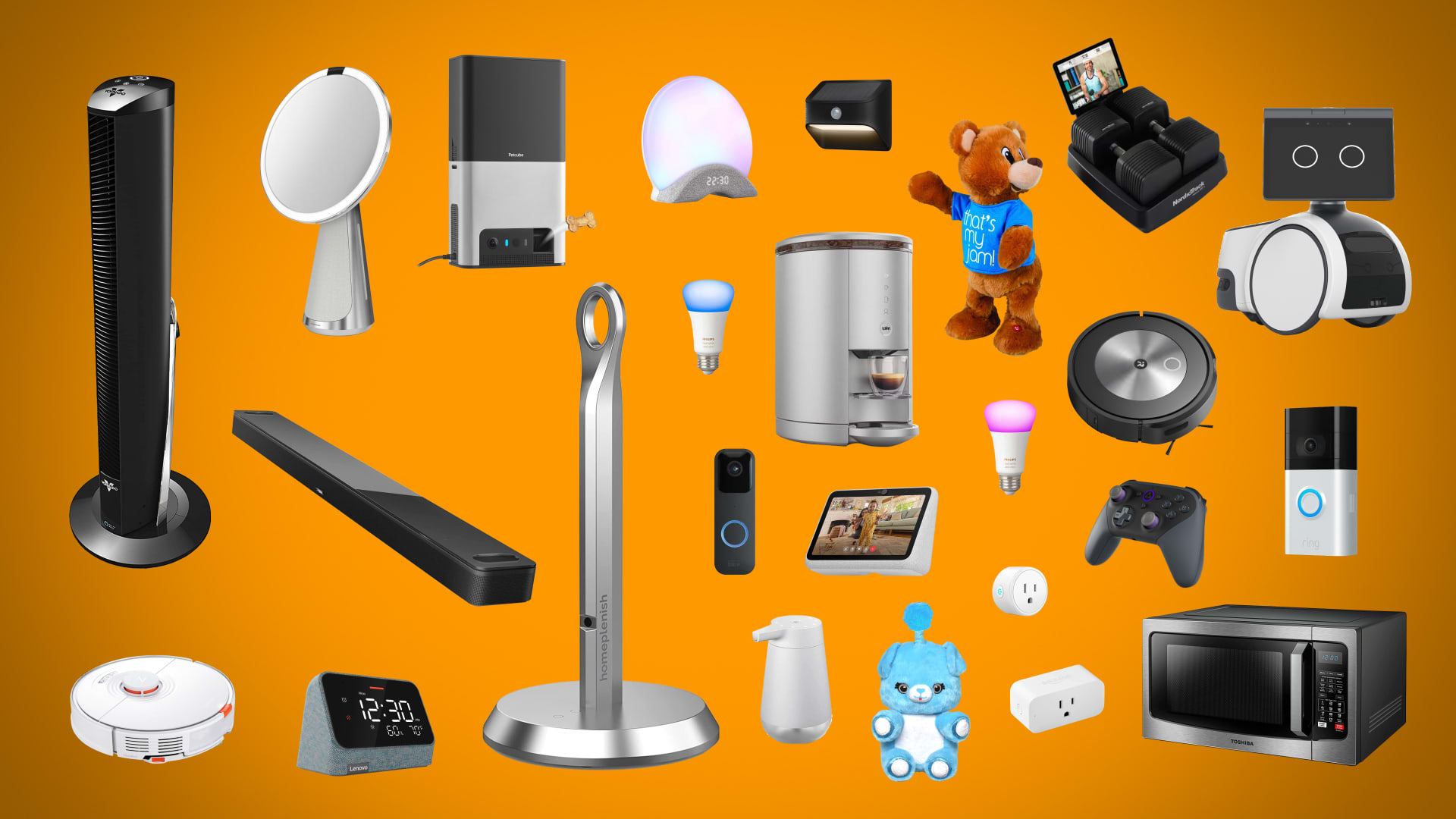
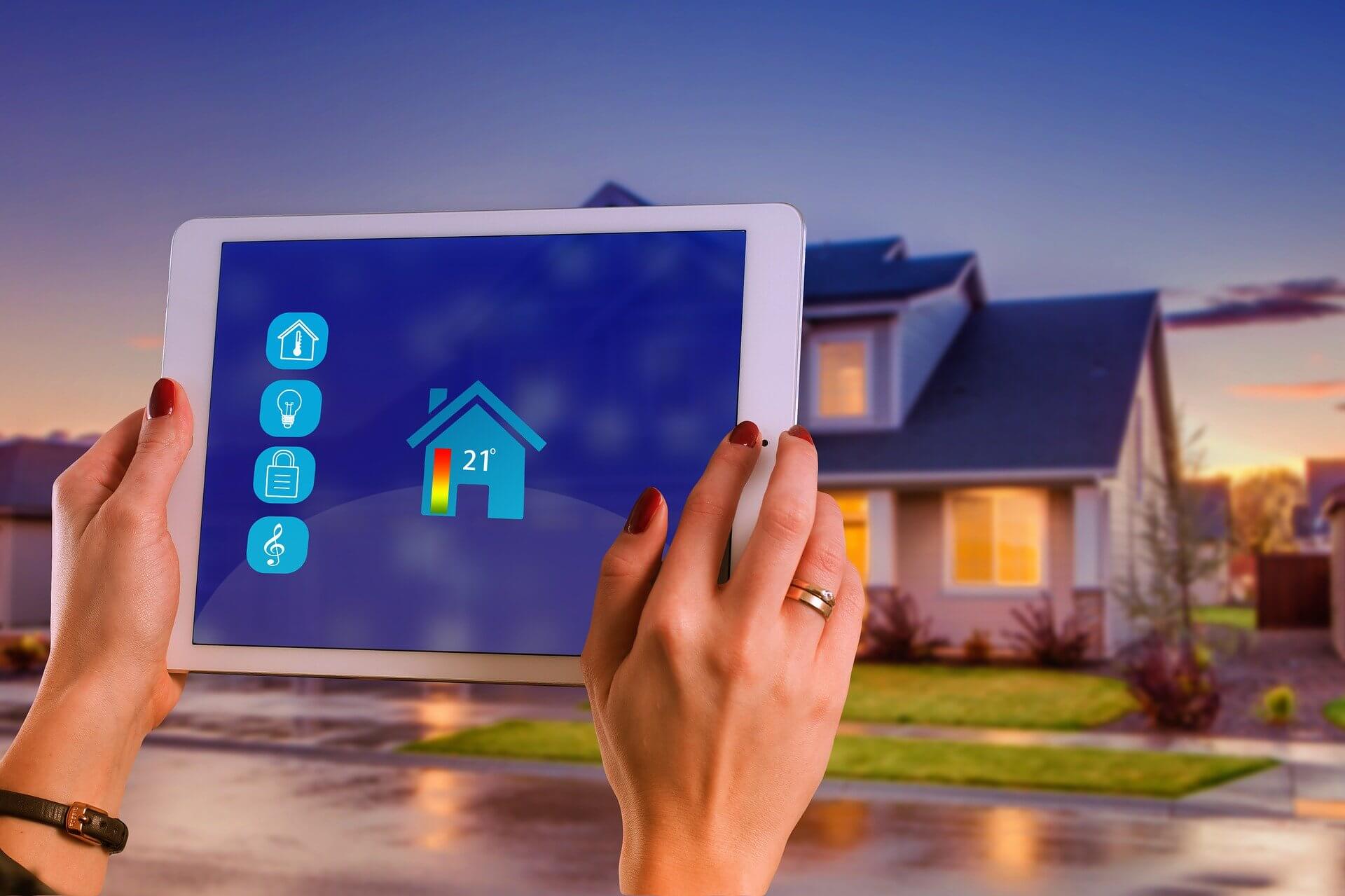
Smart home devices are internet-connected gadgets that allow homeowners to monitor, manage, and automate various household functions. They use technologies such as Wi-Fi, Bluetooth, and Zigbee to connect with each other and with smartphones, tablets, or central hubs.
These devices can:
-
Automate daily tasks like adjusting lighting and temperature.
-
Provide enhanced security with real-time monitoring.
-
Help conserve energy by optimizing device usage.
-
Improve overall convenience through remote access and control.
At their core, smart home devices blend technology with everyday living, creating homes that adapt to individual needs.
2. Categories of Smart Home Devices

Smart home technology spans across multiple categories, each designed to serve a specific purpose. Here are some of the most popular:
a. Smart Assistants
Devices like Amazon Alexa, Google Home, and Apple HomePod act as central hubs, allowing users to control other smart gadgets through voice commands. They also provide news updates, weather reports, and entertainment.
b. Smart Lighting
LED bulbs, smart switches, and dimmers can be controlled remotely or programmed to follow schedules. Some even adjust brightness and color based on natural light or mood.
c. Smart Security Systems
From smart doorbells with video cameras to motion sensors and smart locks, these devices enhance home safety. They allow real-time monitoring from anywhere and send alerts when unusual activity is detected.
d. Smart Thermostats
Products like the Nest Thermostat learn household routines and adjust heating or cooling accordingly, improving energy efficiency and reducing utility costs.
e. Smart Appliances
Refrigerators, washing machines, ovens, and even coffee makers now come with connectivity features, enabling remote operation and monitoring.
f. Smart Energy Devices
Smart plugs and energy monitors help track power consumption, offering insights into usage and suggestions for reducing waste.
g. Smart Entertainment
From televisions that integrate streaming platforms to connected speakers, these devices ensure an immersive entertainment experience.
3. The Role of Smart Home Devices in Modern Living

a. Convenience and Comfort
Smart home devices simplify daily life by automating routine tasks. Imagine walking into a room where the lights turn on automatically, the thermostat adjusts to your preferred temperature, and your favorite music begins to play—all without lifting a finger.
b. Energy Efficiency
One of the greatest benefits of smart home devices is their contribution to sustainable living. By monitoring and optimizing energy use, they help reduce unnecessary consumption, which lowers utility bills and benefits the environment.
c. Enhanced Security
Security remains a top priority for households. Smart doorbells, surveillance cameras, and locks allow homeowners to monitor their property in real-time, even when away. Alerts on suspicious activity provide peace of mind.
d. Remote Access and Control
Whether on vacation or at work, smart home devices ensure homeowners remain connected. A smartphone can lock doors, check cameras, adjust lighting, or even start appliances remotely.
e. Personalization
Smart systems learn user preferences over time. For example, thermostats can adjust automatically based on the time of day, while lighting can adapt to mood or activity.
4. Smart Homes and the Internet of Things (IoT)

Smart devices operate within the larger framework of the Internet of Things (IoT). In this ecosystem, devices communicate with each other to create a connected environment. For instance:
-
A smoke detector can trigger smart lights to blink red as a warning.
-
A motion sensor can signal cameras to record while sending alerts to a mobile phone.
-
A smart fridge can notify when groceries are running low, syncing with a shopping list app.
This interconnected ecosystem ensures seamless functionality, making homes more efficient and responsive.
5. Challenges of Smart Home Technology
While the benefits are significant, there are challenges worth noting:
-
Privacy Concerns: Since these devices collect data, protecting personal information is essential.
-
Compatibility Issues: Not all devices are designed to work together, leading to integration difficulties.
-
Cybersecurity Risks: Being connected to the internet exposes smart devices to potential hacking attempts.
-
Cost of Setup: Although prices are becoming more affordable, initial installation can be expensive.
Awareness of these challenges helps homeowners make informed decisions when adopting smart home technology.
6. Smart Home Devices and Lifestyle Trends in the USA

In the United States, adoption of smart home technology is rising rapidly. According to industry reports, millions of households now use at least one smart device, with the most common being voice assistants and smart security systems.
Trends shaping this adoption include:
-
Growing awareness of energy conservation.
-
Increasing demand for home security solutions.
-
Desire for modern convenience and lifestyle upgrades.
-
Integration of smart devices with entertainment and wellness routines.
As technology advances, these devices are becoming more accessible to a wider audience.
7. The Future of Smart Homes
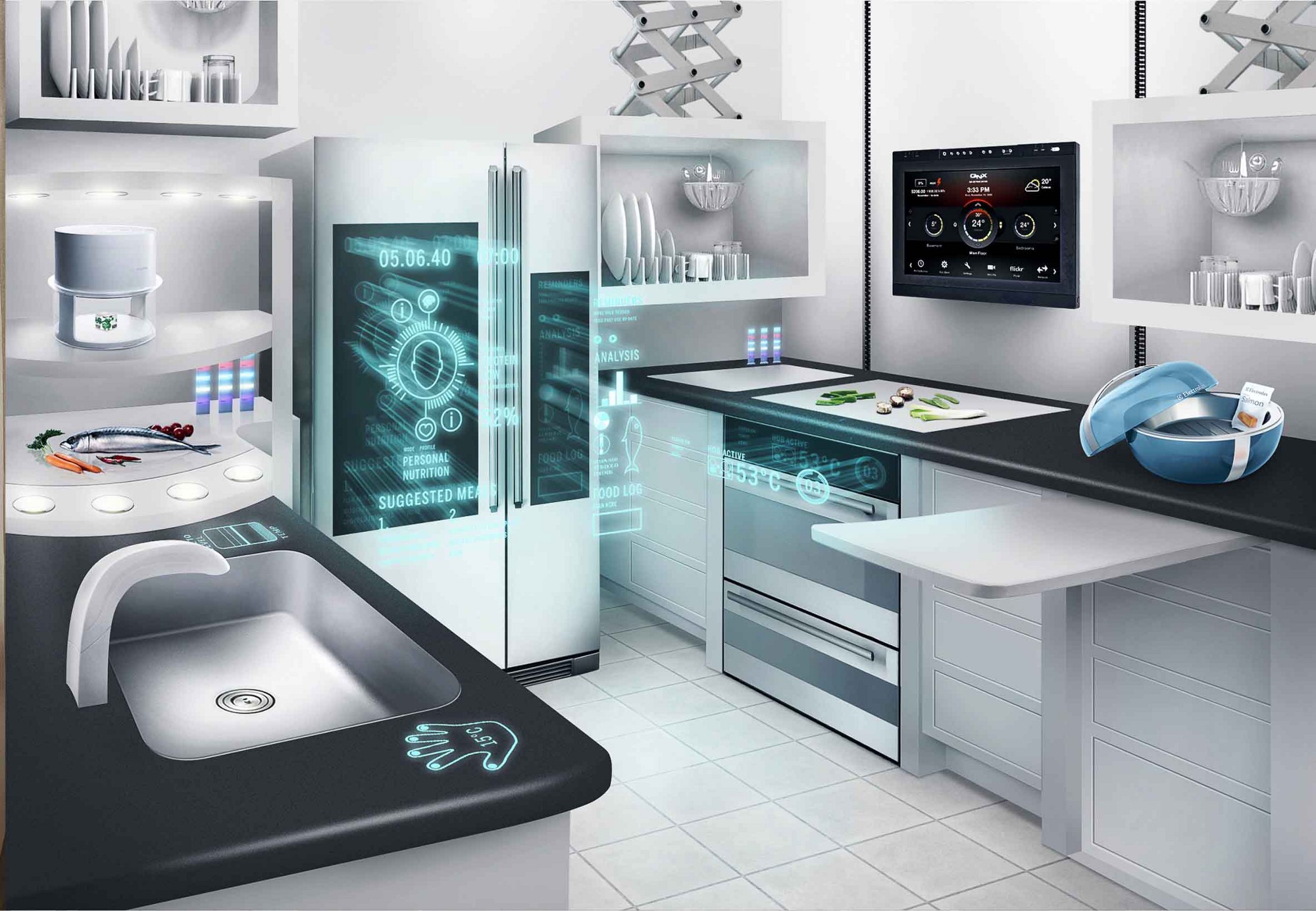
The future of smart home technology holds immense potential:
-
Artificial Intelligence Integration: AI will allow devices to not only respond to commands but also predict needs.
-
Greater Interoperability: Universal standards will make devices from different brands work seamlessly together.
-
Health Monitoring: Smart homes will integrate with health devices, tracking wellness and even detecting emergencies.
-
Eco-Friendly Innovations: More devices will focus on reducing carbon footprints through energy optimization.
-
Autonomous Homes: Eventually, smart homes may manage themselves—controlling climate, managing groceries, and even scheduling maintenance.
8. Why Awareness Matters
Understanding smart home devices is key to unlocking their full potential. At goshipkart.com, we emphasize awareness because informed decisions lead to safer, more efficient, and more enjoyable experiences.
By knowing how devices work, their benefits, and their challenges, households can embrace technology in a way that improves their lifestyle without compromising security or privacy.
Conclusion
Smart home devices are no longer futuristic novelties—they are powerful tools shaping modern living across the USA. They bring convenience, security, personalization, and sustainability into everyday routines, making homes more adaptive and efficient.
At goshipkart.com, we see these innovations as central to the future of e-commerce and home living. As adoption continues to grow, the role of smart devices will expand, creating homes that are not only connected but also intelligent.
The journey toward a smarter, more responsive home has just begun, and smart devices are leading the way