






Introduction
At goshipkart.com, we believe that technology shapes the way people interact, explore, and engage with online platforms. One of the most powerful forces leading this transformation is Artificial Intelligence (AI). From streamlining logistics to enhancing customer experience, AI is not just an addition to e-commerce—it’s the driving engine redefining the entire industry.
In the USA and across the globe, the role of AI in e-commerce has moved far beyond simple chatbots or product recommendations. It now powers data-driven insights, predictive personalization, fraud detection, customer service automation, and even supply chain optimization. This article dives into how AI is revolutionizing e-commerce, why it matters, and what the future holds for businesses and customers alike.
1. Personalized Shopping Experiences

One of the most recognizable ways AI has transformed e-commerce is through personalization. Shoppers today expect an experience tailored specifically to their preferences, and AI makes this possible at scale.
-
Behavioral Tracking: AI analyzes browsing history, time spent on pages, abandoned carts, and clicks to identify interests.
-
Dynamic Recommendations: Based on this data, AI-powered algorithms suggest relevant products, increasing the likelihood of engagement.
-
Predictive Insights: AI doesn’t just react to what customers do; it predicts what they may want next.
For instance, if someone browses fitness gear, AI may recommend complementary products like workout apparel, nutrition guides, or fitness trackers. This level of personal attention mimics the feel of an in-store consultant, but on a massive digital scale.
2. Smarter Search and Voice Commerce

Traditional keyword searches often limit users, but AI-driven search functions have drastically improved discovery.
-
Visual Search: AI enables users to upload images and instantly find similar products. For example, uploading a photo of a jacket from social media can return lookalike styles available online.
-
Natural Language Processing (NLP): AI understands conversational queries like “Show me summer dresses under $50” or “I need a backpack for hiking.”
-
Voice Assistants: The rise of Alexa, Google Assistant, and Siri means more people are using voice commerce. AI makes it possible to process these requests and connect them seamlessly with online platforms.
This evolution simplifies shopping and empowers customers to engage with platforms in a natural, intuitive way.
3. Enhanced Customer Support

AI-driven chatbots and virtual assistants are now standard in e-commerce, providing instant answers to questions 24/7.
-
Automated Responses: Chatbots resolve common queries such as delivery status, return policies, and payment issues.
-
Sentiment Analysis: Advanced AI can detect customer frustration in text or voice and escalate the issue to a human representative.
-
Proactive Assistance: AI tools can offer help even before customers ask—such as suggesting sizing information when someone lingers on a clothing item.
For platforms like goshipkart.com, this not only improves satisfaction but also reduces the pressure on customer service teams.
4. AI in Inventory and Supply Chain Management

Behind every smooth online experience is a robust supply chain. AI revolutionizes this domain through forecasting, automation, and real-time tracking.
-
Demand Forecasting: AI predicts which products will be in demand by analyzing historical sales, seasonal trends, and external factors like weather or events.
-
Smart Warehousing: Robotics powered by AI streamline packaging, labeling, and sorting of goods.
-
Route Optimization: AI calculates the most efficient delivery routes, reducing costs and ensuring faster delivery.
In the USA, where logistics networks span thousands of miles, AI-driven supply chain optimization plays a critical role in keeping e-commerce agile and reliable.
5. Fraud Detection and Security

E-commerce growth has unfortunately also led to rising fraud. AI acts as a guardian, keeping transactions safe.
-
Pattern Recognition: AI algorithms analyze millions of transactions in real-time to flag unusual activity.
-
Adaptive Security: Unlike static rules, AI constantly learns from new threats, evolving to detect more sophisticated fraud attempts.
-
Customer Trust: By minimizing risks, AI creates a safer environment for everyone.
With AI, platforms like goshipkart.com can protect both customers and merchants, ensuring trust remains at the core of online commerce.
6. Dynamic Pricing Strategies
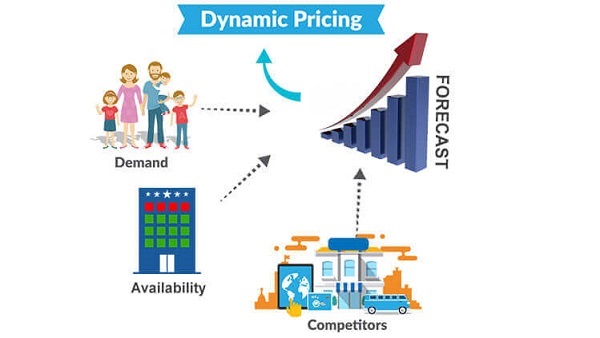
Traditional pricing models can’t keep up with today’s competitive e-commerce environment. AI introduces real-time dynamic pricing that considers multiple factors at once:
-
Competitor pricing
-
Demand fluctuations
-
Time-sensitive promotions
-
Customer behavior
For example, AI may adjust the price of a gadget during peak shopping seasons to remain competitive while still maximizing profitability. This allows businesses to remain flexible and customers to benefit from timely deals.
7. AI-Generated Content and Marketing

AI is transforming how e-commerce platforms present products and engage with audiences.
-
Automated Product Descriptions: AI tools can generate compelling, SEO-optimized product descriptions in seconds.
-
Targeted Marketing: By analyzing customer data, AI ensures promotional campaigns reach the right audience at the right time.
-
Personalized Emails: AI curates newsletters tailored to each subscriber’s interests, increasing engagement.
The marketing journey has become more efficient and relevant, eliminating generic messaging in favor of smart, personalized communication.
8. Augmented Reality (AR) and Virtual Try-On

While not solely AI, AI-enhanced AR plays a key role in bridging the gap between online and offline experiences.
-
Virtual Fitting Rooms: AI allows users to try clothing, eyewear, or cosmetics virtually.
-
Room Visualization: For furniture and décor, AI-powered AR apps help customers see how items will look in their space before committing.
-
Enhanced Realism: AI improves accuracy by accounting for lighting, textures, and proportions.
This innovation reduces return rates and builds confidence in decision-making.
9. Sustainability and AI

Modern shoppers value eco-conscious practices. AI supports sustainability in e-commerce by:
-
Reducing Waste: Smarter demand forecasting prevents overproduction.
-
Optimizing Delivery: AI minimizes carbon emissions through efficient logistics.
-
Eco-Labeling: AI systems can verify and display sustainability credentials on product pages.
Platforms like goshipkart.com can align with the growing movement toward responsible commerce, appealing to ethically minded consumers.
10. The Future: Where AI Is Heading in E-Commerce

While AI has already made significant strides, its potential is still unfolding. Here are some emerging trends:
-
Hyper-Personalization: Tailoring every touchpoint, from homepage layouts to delivery preferences.
-
AI-Powered Live Shopping: Interactive video streams where hosts demonstrate products, enhanced by real-time AI translations and recommendations.
-
Emotion AI: Understanding customer emotions during interactions for deeper engagement.
-
Autonomous Deliveries: Drones and self-driving vehicles managed by AI will soon make doorstep delivery faster than ever.
-
AI-Driven Marketplaces: Future platforms may function as intelligent ecosystems, where AI matches customers with products, sellers, and services seamlessly.
The line between online and offline experiences will continue to blur, creating a holistic shopping ecosystem powered by AI.
Conclusion
At goshipkart.com, we view AI not as a futuristic concept but as a present-day revolution already shaping how people explore, engage, and connect with online platforms. From personalized recommendations and virtual assistants to fraud prevention and supply chain optimization, AI is embedded in nearly every stage of the e-commerce journey.
For customers, this means a smarter, safer, and more intuitive experience. For businesses, it translates into efficiency, agility, and innovation. As AI continues to evolve, it promises to make e-commerce in the USA—and globally—more dynamic, inclusive, and sustainable.
The revolution has already begun, and AI is leading the way