






Introduction
In the fast-paced digital economy, the next big technological leap is already upon us—5G connectivity. With download speeds up to 100 times faster than 4G and latency reduced to near real-time, 5G promises to revolutionize how consumers interact with the internet. One of the most transformative areas affected by this evolution is e-commerce.
As a USA-based e-commerce platform, Goshipkart.com has closely observed the advancements in connectivity and how they are reshaping consumer behavior, platform performance, logistics, and overall shopping dynamics. This article explores the multi-dimensional impact of 5G on the growth of e-commerce, focusing on speed, personalization, AR/VR integration, logistics, and digital inclusion.
What is 5G and Why Does It Matter to E-Commerce?
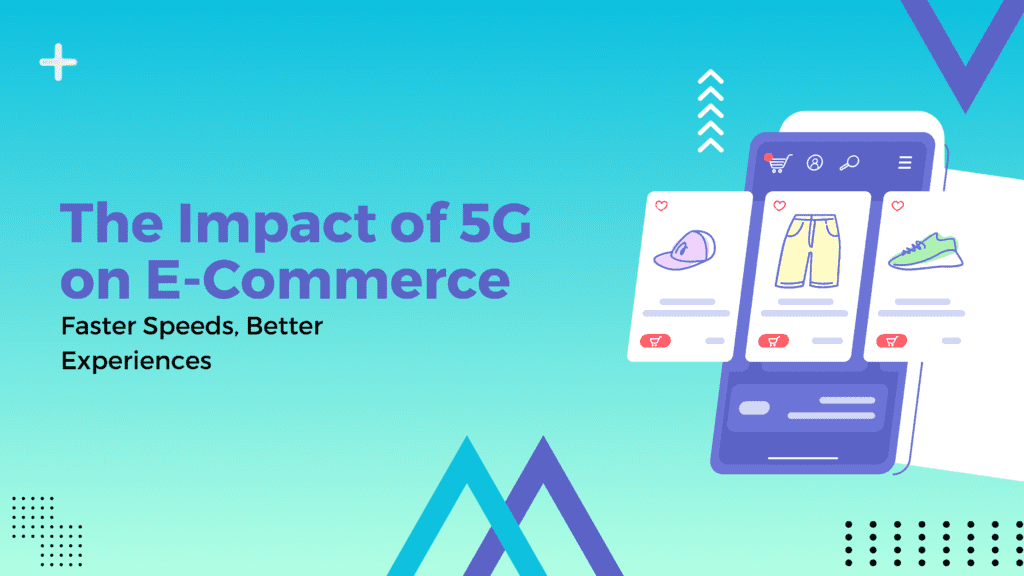
5G stands for fifth-generation mobile network, representing the latest iteration in wireless technology. With speeds projected to exceed 10 Gbps and latency as low as 1 millisecond, 5G provides a foundation for enhanced connectivity across devices, platforms, and experiences.
In the context of e-commerce, 5G acts as a catalyst for:
-
Faster loading websites and apps
-
Richer mobile experiences
-
Advanced technologies like augmented reality (AR) and virtual reality (VR)
-
Seamless IoT integration
-
Smarter logistics and real-time tracking
These improvements affect every stakeholder—from shoppers to sellers to logistics providers.
Faster Loading Speeds: Elevating User Experience

One of the first touchpoints in e-commerce is site speed. Consumers expect pages to load instantly, especially on mobile. According to Google, 53% of users abandon a mobile site if it takes more than 3 seconds to load. 5G directly addresses this pain point.
Faster data transmission ensures:
-
Instant browsing of product pages
-
High-resolution images loading without delays
-
Smooth video demonstrations
-
Quicker checkout processes
On Goshipkart.com, performance metrics are being redefined. Users accessing the platform through 5G-enabled devices are already experiencing smoother navigation, fewer dropped sessions, and higher engagement time.
The Rise of AR/VR in Online Shopping

As 5G removes the bandwidth limitations that hindered augmented and virtual reality in the past, AR and VR are poised to go mainstream in e-commerce.
Examples of AR/VR in Use:
-
Virtual Try-On: Shoppers can “try on” clothes, glasses, or makeup using their phone camera.
-
Home Visualization: Furniture or decor items can be projected into one’s living space through AR before committing to them.
-
Immersive Product Demos: VR headsets allow users to enter a virtual showroom or test a product in a 3D environment.
For a platform like Goshipkart.com, integrating AR/VR is not just a novelty; it’s an enhancement to the decision-making process. With 5G, latency issues that previously made these features glitchy or inaccessible are largely eliminated.
Mobile Commerce Acceleration
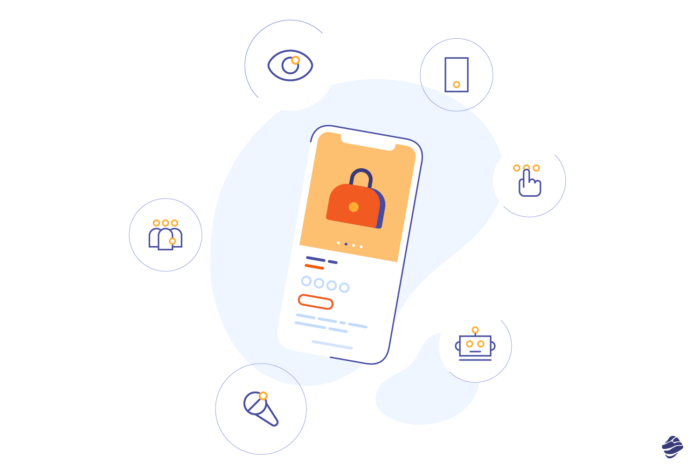
The proliferation of smartphones was already pushing e-commerce toward mobile. 5G further accelerates mobile-first shopping behaviors by enabling richer and more responsive interfaces.
Here’s how 5G enhances mobile commerce:
-
Real-time chatbots and customer service without lag
-
Seamless video content on product pages
-
Voice search integration with faster processing
-
Instant payment gateways without session timeouts
Goshipkart.com has prioritized a responsive mobile interface that aligns with 5G capabilities. With smoother interactions, users feel more confident exploring and engaging with content on-the-go.
Real-Time Data and Personalization

One of the core growth drivers for modern e-commerce is personalization. 5G enhances data collection and analysis capabilities through real-time interactions and IoT connectivity.
Here’s what becomes possible with 5G-powered data processing:
-
Browsing behavior is tracked and analyzed instantly
-
Product recommendations update in real-time
-
Voice assistants and chatbots deliver tailored responses
-
IoT devices provide contextual suggestions based on user environments
At Goshipkart.com, personalization strategies are already undergoing transformation. 5G allows predictive models to work faster, thereby showing users products and deals that are hyper-relevant to their preferences.
Smarter Logistics and Real-Time Tracking

Beyond the digital interface, 5G has a profound effect on e-commerce logistics. Real-time inventory updates, smart warehouses, and enhanced delivery tracking are now more achievable than ever.
Key Logistics Benefits of 5G:
-
Connected Warehouses: Robots and sensors coordinate in real-time for order picking and sorting.
-
Fleet Management: Delivery vehicles with 5G sensors provide live tracking, estimated time of arrival (ETA), and rerouting in case of traffic.
-
Drone Deliveries: 5G can support high-speed, remote-controlled drone delivery systems, particularly in urban areas.
These innovations improve transparency, reduce delivery times, and boost customer satisfaction. For a platform like Goshipkart.com, investing in such logistics capabilities enhances reliability across the order fulfillment process.
Voice Commerce and AI Integration

As voice assistants become increasingly popular, 5G helps deliver more natural and responsive voice interactions. Whether it’s through Alexa, Google Assistant, or Siri, voice commerce benefits immensely from the speed and precision of 5G.
With 5G, voice commerce becomes:
-
Faster in interpreting and responding to queries
-
Capable of processing more complex commands
-
Seamlessly integrated with visual results on screen
The evolution of AI algorithms that rely on real-time input also gets a major boost from 5G. These systems can process user data, learn from it, and deliver better outcomes faster—be it in recommendations, customer service, or fraud detection.
Digital Inclusion: Expanding Access to E-Commerce

One of the most promising impacts of 5G is its role in bridging the digital divide. Rural areas in the USA that previously had limited access to high-speed internet can now connect to e-commerce platforms like Goshipkart.com more efficiently.
What Digital Inclusion Looks Like:
-
Users in underserved regions get faster load times
-
Access to video-based product content improves
-
Participation in online sales, events, and promotions becomes easier
-
Small local sellers can reach national markets
By extending the reach of e-commerce, 5G contributes to economic inclusion, giving both consumers and small businesses new opportunities to thrive.
Security Enhancements

With greater connectivity comes greater responsibility. 5G incorporates security protocols that are more advanced than previous generations, protecting:
-
Personal data
-
Payment information
-
Location tracking
-
Device authorization
For e-commerce platforms, this means deploying multi-layered security systems that can adapt in real time to threats. Goshipkart.com’s approach to cybersecurity involves 5G-ready firewalls, AI-driven monitoring, and customer education about digital safety.
Impact on Emerging Technologies
5G acts as a launching pad for emerging technologies that are reshaping e-commerce. These include:
-
Edge Computing: Processes data closer to the user, reducing lag.
-
Blockchain Integration: Ensures secure, transparent transactions.
-
Digital Twins: Create simulations of consumer behavior to forecast trends.
As these technologies mature, e-commerce platforms must be ready to evolve. Goshipkart.com stays ahead by closely monitoring tech advancements and building scalable infrastructure.
Challenges and Considerations

While the potential is vast, 5G also presents challenges:
-
Infrastructure Rollout: Rural and less-developed areas may face delays.
-
Device Compatibility: Not all consumers own 5G-enabled devices.
-
Security Risks: Greater data flow opens new attack vectors.
-
Cost of Adoption: Upgrading to 5G-compatible systems can be expensive for small businesses.
Nevertheless, these challenges are being addressed gradually through public-private partnerships, government policies, and market competition.
The Road Ahead
The full potential of 5G in e-commerce is still unfolding. Over the next five years, we can expect:
-
Hyper-personalized experiences powered by real-time data
-
AR/VR adoption becoming mainstream in shopping environments
-
Fully autonomous logistics systems that minimize human error
-
Enhanced customer support through real-time AI agents
E-commerce is no longer just about the transaction—it’s about experience, trust, speed, and accessibility. 5G is the technology that ties all these expectations together.
Conclusion
The impact of 5G on e-commerce growth is undeniable. From improving mobile experiences to enabling futuristic technologies, it empowers platforms like Goshipkart.com to deliver smarter, faster, and more inclusive services.
As consumers evolve, so must the platforms that serve them. 5G is not just a faster network—it is the backbone of the next era in digital commerce.
Whether you’re a tech enthusiast, business owner, or everyday shopper, understanding the transformative power of 5G helps you stay ahead in a connected world