




Introduction
When people click “order now” on their screens, what follows often seems like magic. A few days later, a neatly packed box arrives at their doorstep, containing exactly what they wanted. But what really happens between the click of a button and the knock on the door? At GoShipKart.com, a USA-based e-commerce platform, we believe that understanding this journey helps customers appreciate the intricate web of logistics, technology, and human effort that make it possible.
This article will take you behind the scenes of that journey—step by step—so you can see how every package finds its way from the warehouse to your home.
1. The Heart of the Operation: Modern Warehousing
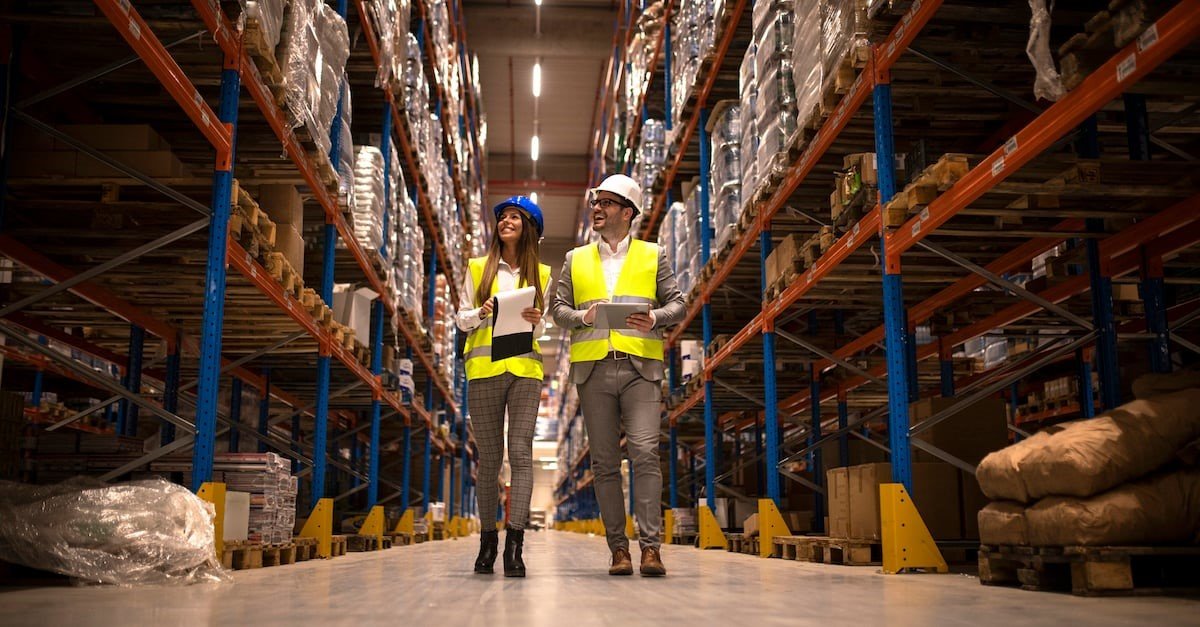
Warehouses are not just giant storage rooms filled with boxes stacked to the ceiling. They are highly organized ecosystems designed to move items efficiently. At GoShipKart.com, our fulfillment centers serve as the backbone of our operations.
How Warehouses Are Organized
-
Zones and Bins: Products are sorted into zones based on categories and then stored in labeled bins or shelves. This ensures that locating items is fast and accurate.
-
Smart Technology: Many warehouses use advanced inventory systems that track every single item in real-time. A product’s location, availability, and condition are always visible through digital systems.
-
Climate Control: Fragile goods, perishables, or electronics are stored in specialized conditions to maintain quality.
The Role of Automation
Automation has transformed the warehousing process. Robots transport bins, conveyors move items swiftly across large facilities, and scanners ensure accuracy. Yet, humans remain central—especially for quality checks, packaging, and handling delicate items.
2. The Picking Process: Finding the Right Item
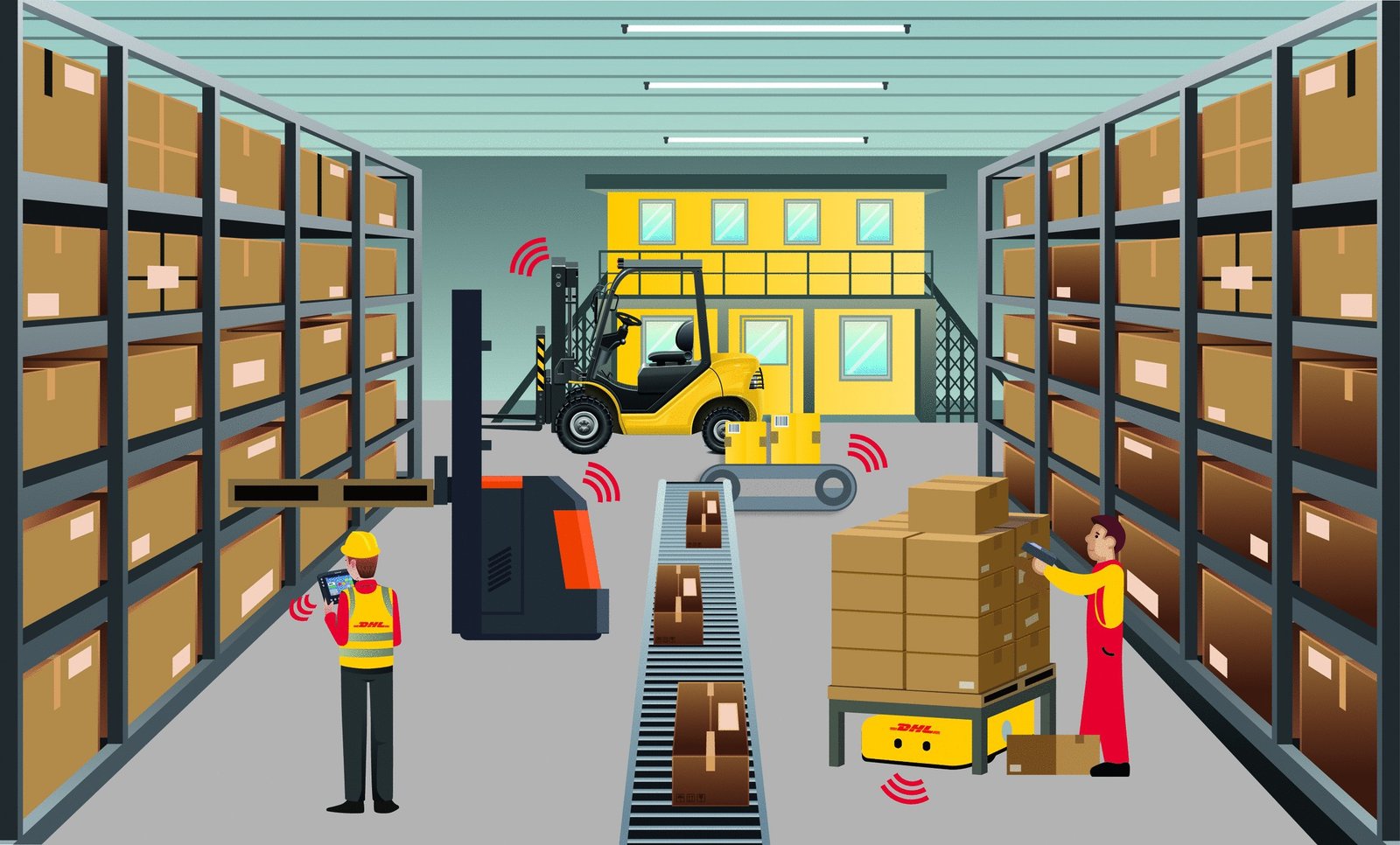
Once a customer confirms an order, the warehouse system immediately flags the item’s location. This is where the picking process begins.
-
Pickers with Technology: Equipped with handheld devices, pickers receive directions to the exact aisle, bin, and shelf. Some even use wearable scanners or augmented reality glasses to guide them.
-
Accuracy First: Each item is scanned to confirm it matches the order before being sent to the packing station.
-
Batch Picking: For efficiency, multiple orders may be picked simultaneously, with items separated into totes or bins that move along conveyors.
This step ensures the foundation of a correct and timely delivery.
3. The Art of Packaging: More Than Just a Box

Packaging is where functionality meets presentation. At GoShipKart.com, the aim is to make sure products arrive safe, secure, and presentable.
Factors Considered in Packaging
-
Size and Shape of the Item: Custom boxes or envelopes reduce excess space, saving materials and shipping costs.
-
Protection Needs: Fragile items are wrapped in bubble sheets, air pillows, or paper fillers. Heavy items are reinforced with double-layered cardboard.
-
Sustainability: Increasingly, fulfillment centers are adopting eco-friendly packaging—recyclable boxes, compostable fillers, and reduced plastic usage.
Why Packaging Matters
A well-packed order not only ensures the product arrives in perfect condition but also communicates trust and care from the brand. It’s the first physical interaction customers have with the product.
4. Labeling and Sorting: Preparing for the Journey
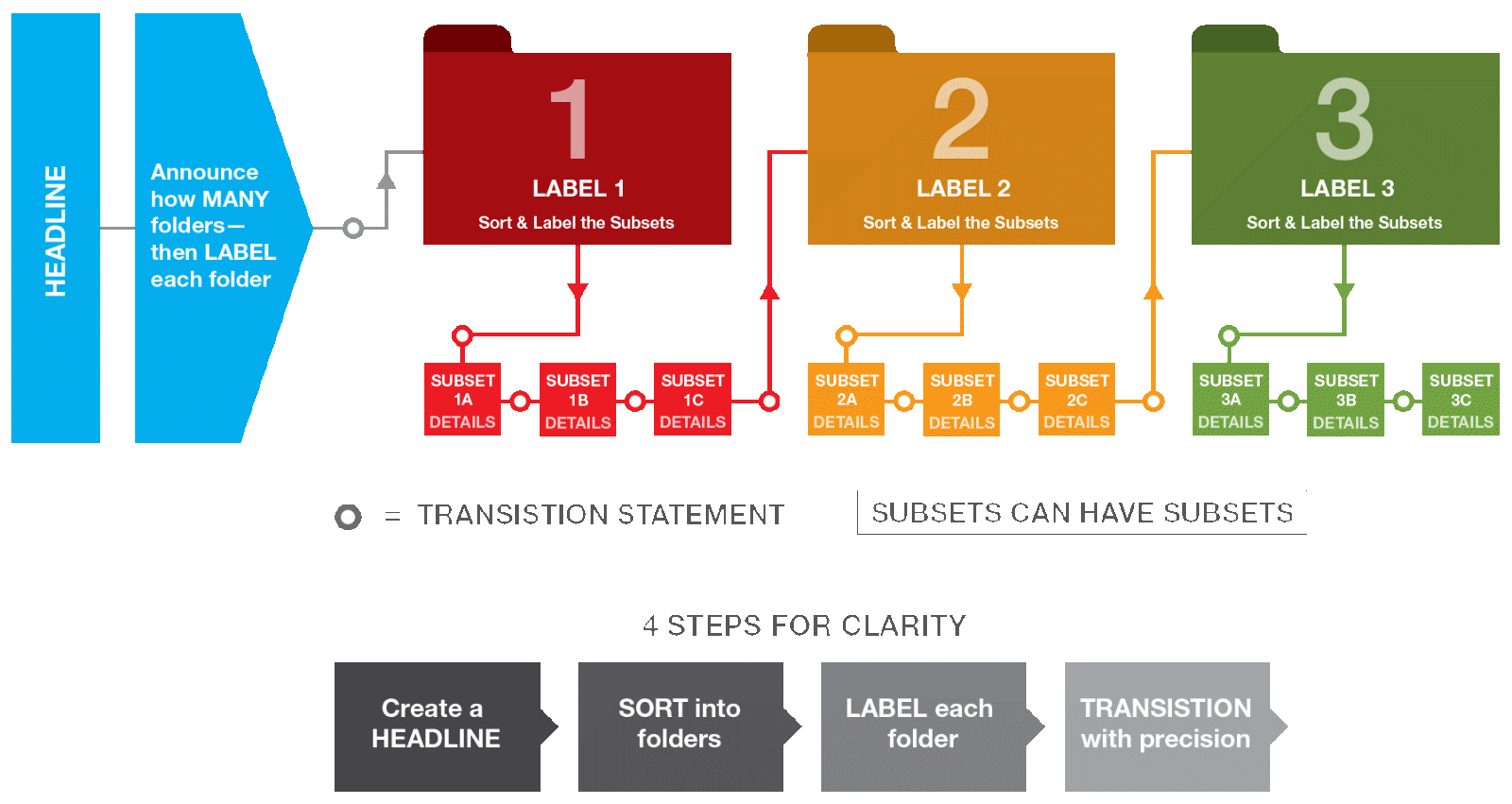
Every package receives a unique shipping label containing essential details: destination address, barcode, and tracking information. This label is the passport of the package, guiding it through every checkpoint until it reaches the final doorstep.
Once labeled, packages are sorted based on their destination:
-
Local Deliveries: Sent directly to regional courier partners.
-
National Deliveries: Routed through distribution hubs across states.
-
International Shipments: Processed with customs documentation and special handling.
Automated sorting machines can process thousands of packages per hour, ensuring each parcel joins the correct route.
5. Transportation: The Highway of Logistics
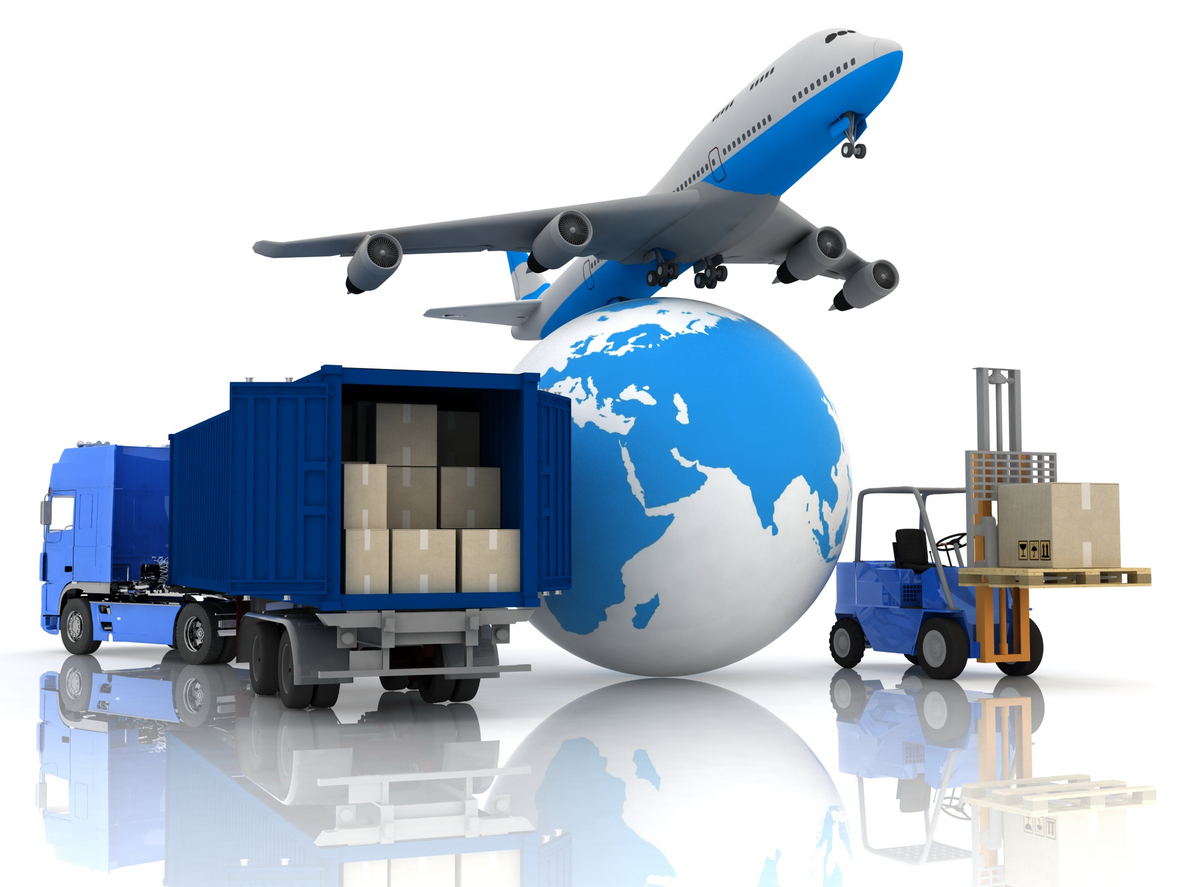
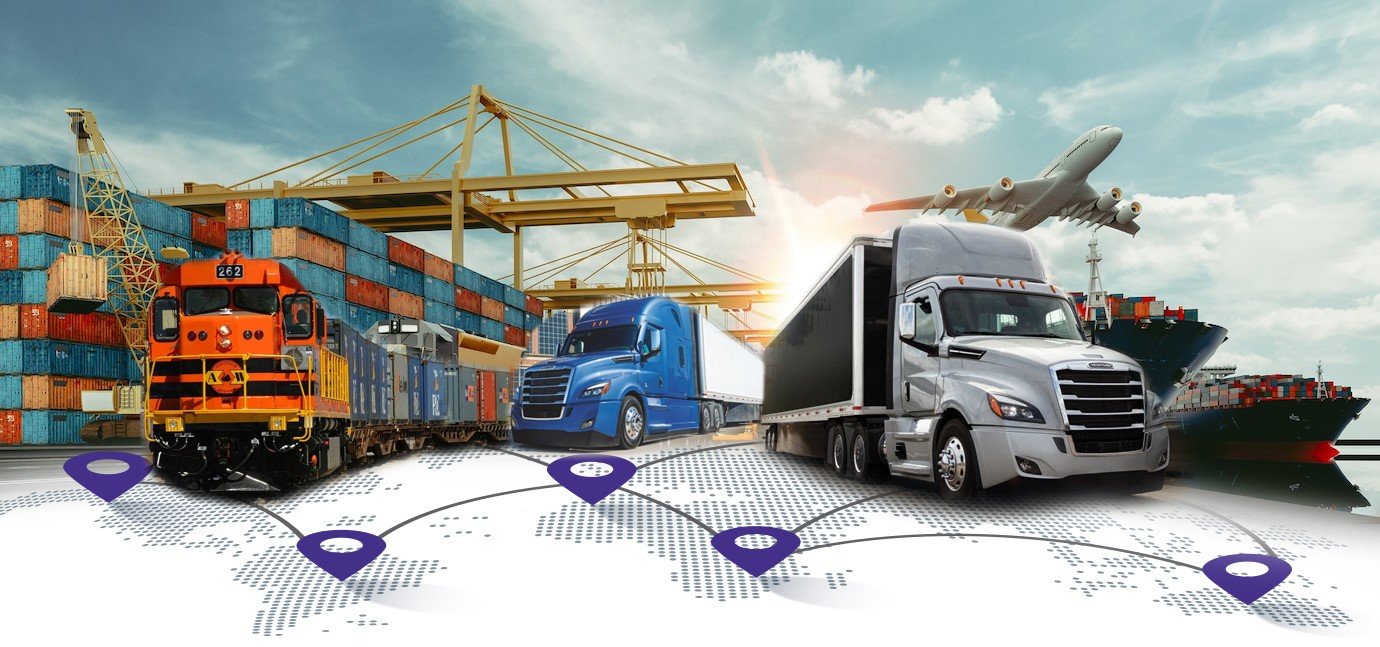
Transportation is where logistics truly comes alive. The movement of packages across distances—whether short or long—is made possible by a network of vehicles, routes, and partnerships.
Modes of Transport
-
Trucks and Vans: The most common method for regional and last-mile deliveries.
-
Air Freight: For expedited orders or long-distance shipments across the country.
-
Rail and Sea Freight: Less common in everyday e-commerce but essential for bulk or international logistics.
Tracking in Motion
As packages travel, every checkpoint updates the system, allowing customers to track their orders in real-time. This transparency builds confidence and keeps expectations clear.
6. Regional Hubs: The Midway Stops
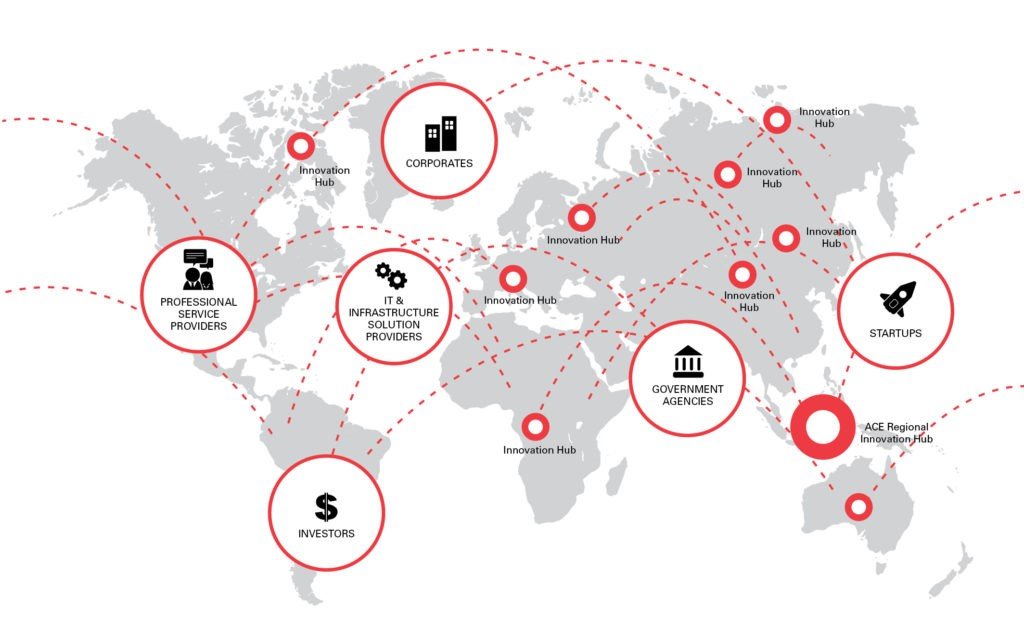 Before reaching your city, packages often make a pit stop at regional distribution hubs. Here, shipments are regrouped, re-sorted, and redirected to the correct local delivery centers.
-
Efficiency Checkpoints: Damaged packages are inspected, and delays are addressed at this stage.
-
Route Optimization: Technology helps plan the fastest delivery routes for trucks leaving the hub.
This network ensures that no matter where in the USA a customer lives—from urban centers to rural communities—the delivery process remains smooth.
7. The Last Mile: Bringing It to Your Door
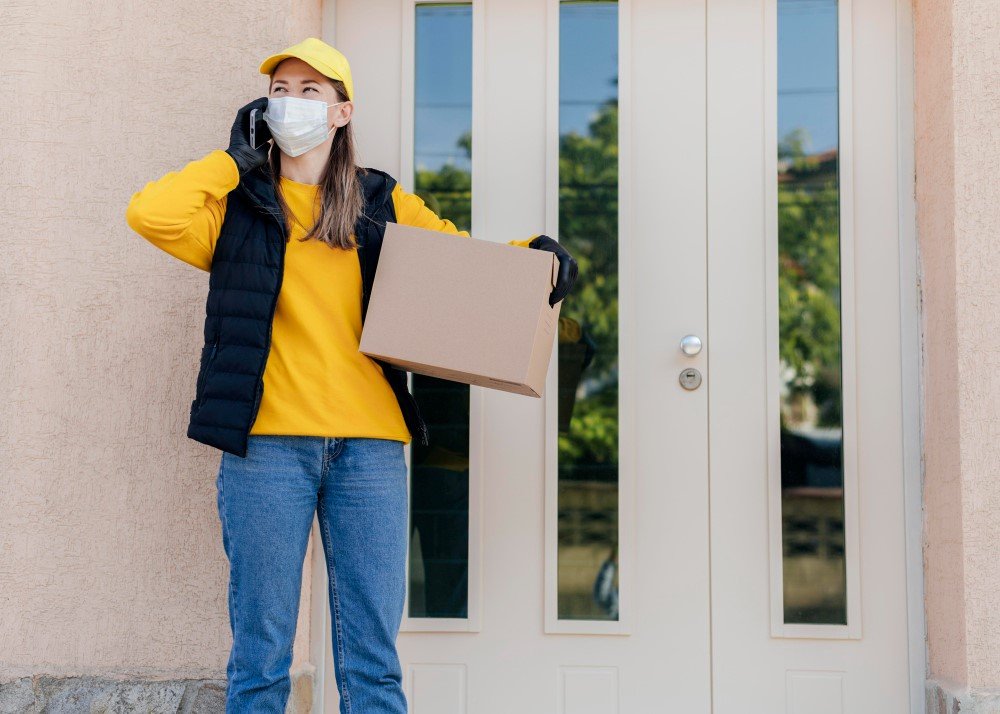
The final leg of the journey, often called the last mile, is both the most expensive and most challenging part of logistics.
Why It’s Complex
-
Deliveries need to reach diverse locations: skyscraper apartments, suburban homes, or remote rural addresses.
-
Timing is crucial. Customers often expect precise delivery windows.
-
Traffic, weather, and unforeseen circumstances can cause delays.
The Role of Delivery Partners
Couriers play a vital role here. They navigate routes, handle packages carefully, and sometimes even provide real-time communication with customers. For example, notifications about “out for delivery” or “delivered successfully” are made possible by last-mile tracking.
8. The Human Touch Behind Technology

While technology powers much of the process, the human element cannot be overlooked. From warehouse staff ensuring items are picked correctly to drivers making the final delivery, people are at the heart of fulfillment.
-
Customer Care: Handling fragile items, addressing delivery instructions, or ensuring that elderly customers receive assistance when needed.
-
Problem Solving: Packages sometimes face delays or rerouting, and staff step in to resolve these issues quickly.
This blend of automation and human effort creates a system that is both efficient and reliable.
9. Challenges in Logistics and Fulfillment
Even with advanced systems, challenges remain:
-
Seasonal Surges: During holidays or major sales events, warehouses handle millions of extra packages.
-
Weather Disruptions: Snowstorms, hurricanes, or floods can halt transportation.
-
Last-Mile Costs: Delivering to remote areas can be resource-intensive.
-
Sustainability Concerns: Balancing fast delivery with eco-friendly practices is an ongoing challenge.
Companies continuously innovate to address these issues—whether through better forecasting, renewable energy in transport, or smarter packaging solutions.
10. Building Awareness: Why Customers Should Care

Understanding the logistics journey creates appreciation for the hidden complexity behind every package. It also encourages mindful expectations. For example:
-
Patience During Delays: Knowing that weather or surges can impact timelines.
-
Support for Sustainability: Choosing slower but greener delivery options when available.
-
Respect for Couriers: Recognizing the effort drivers put in daily.
Awareness builds a stronger connection between customers and the ecosystem that delivers their products.
11. The Future of Logistics and Fulfillment
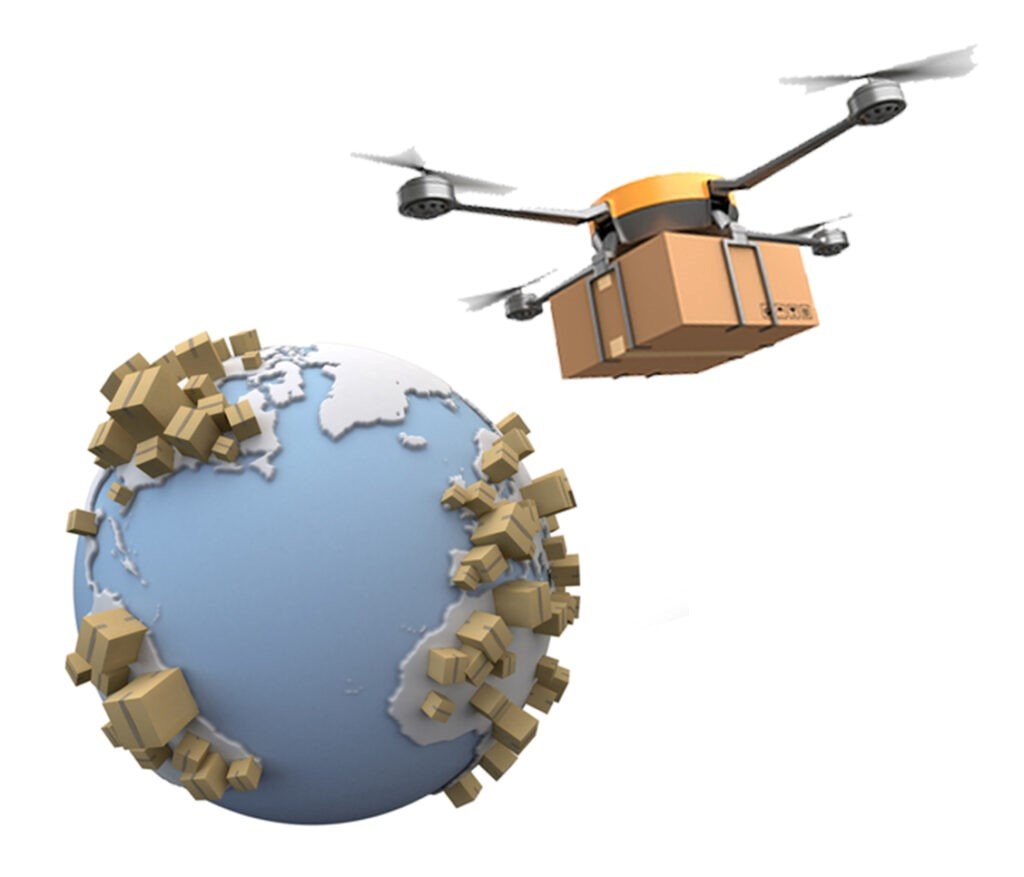
The landscape of logistics is constantly evolving. Looking ahead, customers can expect:
-
Drone Deliveries: Quicker last-mile fulfillment in urban areas.
-
Electric Fleets: Reduced carbon footprints with electric delivery vans.
-
Smarter Warehouses: Greater reliance on AI and robotics for speed and accuracy.
-
Predictive Shipping: Anticipating customer needs and pre-positioning products before orders are placed.
These innovations will continue to make deliveries faster, greener, and more efficient.
Conclusion
Behind every package lies a fascinating story of movement, precision, and dedication. From warehouses brimming with technology to delivery drivers navigating the last mile, each stage plays a vital role in ensuring customers receive their orders on time and in perfect condition.
At GoShipKart.com, we believe in educating customers about this journey—not only to build trust but also to inspire awareness of the incredible network that powers modern e-commerce. The next time a box arrives at your door, you’ll know the hidden effort, coordination, and care that made it possible